 EN
Home Skincare
Ideal for daily facial care routines, providing easy-to-use beauty solutions at home.

2026/10/14
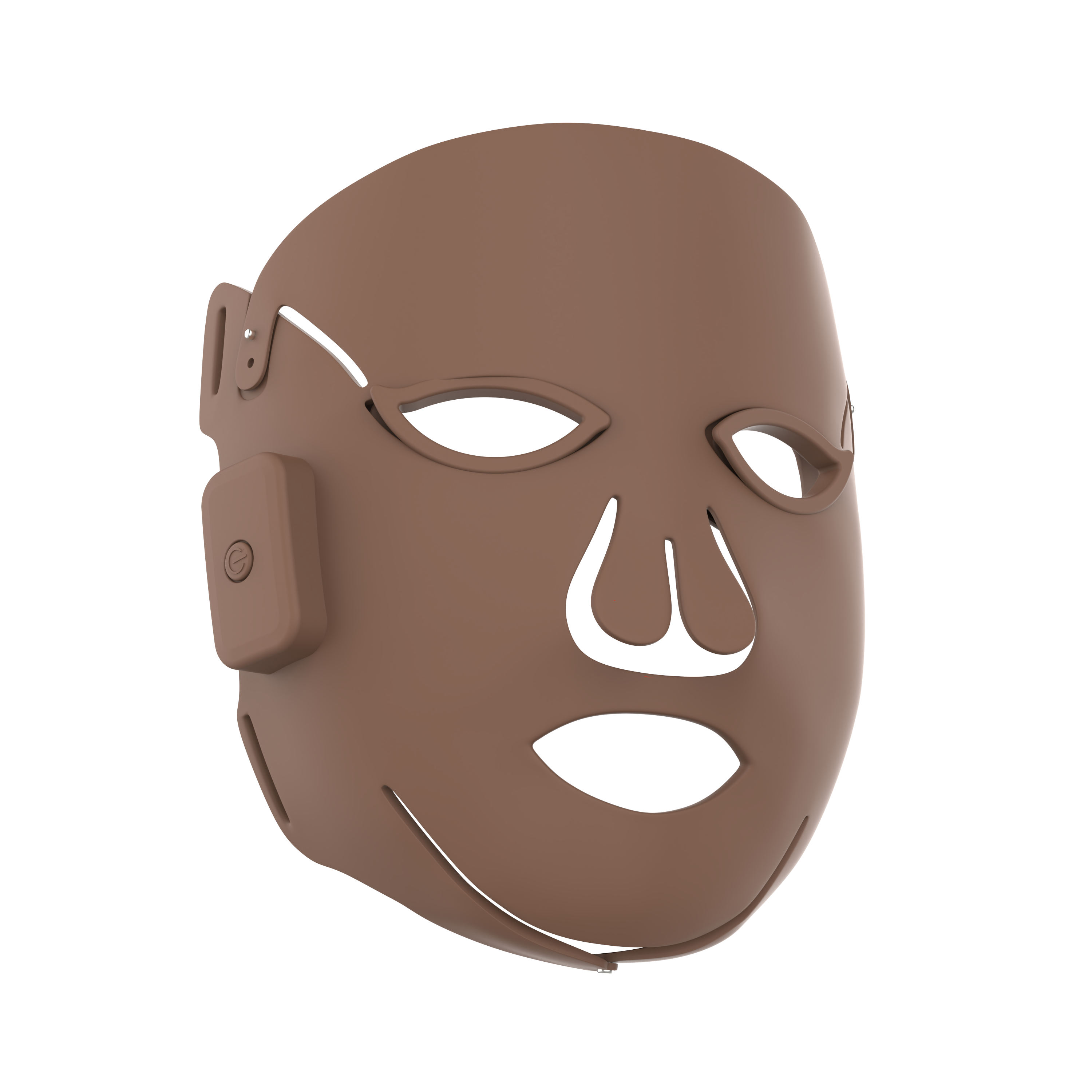
Starting a red light therapy face routine can feel oddly complicated: one device says daily, another says three times a week, and social posts promise results before you have learned the controls. A better approach is deliberately boring. Begin with a compatible device, clean skin, the shortest manufacturer-approved session, and a written check-in after a few weeks. That gives your skin time to tell you whether the routine is comfortable and realistic.
As a skin-management professional, I encourage beginners to treat each light-therapy session as supportive skincare rather than a shortcut or a medical treatment. Small, repeatable habits are more useful than a heroic first week followed by an abandoned mask in a drawer.
Before your first session, read the device manual from start to finish. Choose a device with clear home-use directions and, where applicable, FDA clearance. “FDA-cleared” is not the same as “FDA-approved” or “FDA-certified”; it indicates that the device has gone through the relevant clearance pathway and is generally considered low risk for its intended use. It does not guarantee a particular cosmetic result.
Pause and ask a dermatologist or other qualified clinician before beginning this kind of at-home light routine if you take medicine that can increase light sensitivity, have a light-sensitive condition, have an eye condition, are managing a changing skin concern, or have had an unexpected reaction to light-based treatments. The American Academy of Dermatology also notes that people with darker skin tones may be more sensitive to visible light and may benefit from individualized guidance. This is not a reason to assume the therapy is unsafe; it is a reason to personalize the decision.
A red light therapy face routine is easier to follow when there are few moving parts. Start on clean, dry skin unless your device specifically directs otherwise. Makeup, sunscreen, and heavy or reflective products can make it harder to follow a consistent process, so cleanse gently and pat dry first. Put the device on or position it exactly as the manual shows; distance, fit, and timing are not details to guess.
After the session, continue with a bland moisturizer if your skin likes one, then use daytime sun protection as you normally would. You do not need to stack exfoliants, new actives, or multiple devices around an LED session just because you are motivated. In fact, changing everything at once makes it difficult to identify what caused dryness or irritation.
This gradual start may seem cautious, but it avoids a common mistake: assuming more sessions must equal faster results. For this kind of habit, adherence and comfort matter more than an aggressive calendar.
There is no single frequency that fits every facial LED device. Output, treatment area, session timer, and intended use differ. The only reliable starting point is the manufacturer’s recommended schedule for the specific model you own. Many consumer masks are designed around short, repeated sessions, but the minutes and weekly frequency printed in one manual should not be transferred to another device.
Think of the first month as a consistency test. Put your red light therapy face sessions on the same days each week, use the built-in timer when available, and avoid extending the treatment because you missed a day. A simple note on your phone can track date, session length, products used afterward, and any skin response. That record is far more useful than trying to judge subtle changes from memory.
Interest in this kind of facial light care often centers on the appearance of fine lines, uneven-looking tone, or a general wish for healthier-looking skin. Research and professional guidance continue to evolve, and short-term use appears generally well tolerated for many people. Still, a home device is not a replacement for diagnosis or treatment of acne, melasma, rosacea, scars, or a new lesion.
Give a new routine enough time to become consistent before deciding whether it suits you. Instead of taking daily close-up photos under different bathroom lights, take one photo in the same location every two to four weeks, without filters. Notice practical signals too: Is the device easy to clean? Does the fit feel comfortable? Can you follow the schedule without disrupting the rest of your routine? Those answers help determine whether a routine is sustainable.
A sustainable beginner routine does not need to be elaborate. Cleanse, use the device for its stated session, moisturize if desired, and protect your skin from the sun during the day. Keep the device clean and stored as instructed. If your skin becomes uncomfortable, take that signal seriously rather than forcing the schedule.
Approach your routine with curiosity, not pressure. Choose safety and consistency over intensity, use the product instructions as your baseline, and involve a dermatologist when medications, sensitivity, or a specific skin condition complicate the picture. That foundation leaves room for a routine that is both sensible and easy to keep.

2026/10/30
Discover why in-house mold development helps an RF beauty device manufacturer improve product consistency, iteration speed, tooling control, and production readiness.

2026/10/30
Learn how to verify an RF beauty device manufacturer's R&D and prototyping capabilities using practical engineering workflows and audit checklists.

2026/10/30
Learn what shapes MOQ when choosing an RF beauty device manufacturer and how to plan a lower-risk first order with balanced platform and customization.

2026/10/30
Use this RF beauty device manufacturer evaluation checklist to compare safety evidence, OEM and ODM capability, quality control, and launch readiness.

2026/10/30
See how technology makes beauty at home more guided, consistent, and informed—plus a practical checklist for choosing devices wisely.

2026/10/30
Explore how AI and smart devices shape the future of beauty with responsive routines, clear guidance, trustworthy design, and user-controlled care.

Ideal for daily facial care routines, providing easy-to-use beauty solutions at home.

Perfect for spas and salons’ frequent treatments, enhancing client experiences and results.

Supports dermatologists with advanced devices for professional skin therapy sessions.

Delivers innovative solutions for full-body massage and relaxation with home devices.

Features anti-aging technologies to help reduce wrinkles and stimulate skin vitality.

Specialized devices for safe and effective hair removal suitable for home or clinic use.

Our customers love the Perfect Idea beauty devices. Quality, packaging, and results are all outstanding. We saw increased repeat sales after adding their facial cleansers to our lineup. Their support team is responsive and reliable.

Perfect Idea brings innovation and reliability to home beauty appliances. Our collaboration introduced their massage tools to Japanese women, boosting customer satisfaction and growing our brand trust across the region.

We partnered with Shenzhen Perfect Idea Tech for their beauty equipment. The shipping was fast and every product matched our expectations. Their home-use massagers are especially popular with local salons and home users.

The stylish packaging and attractive design make Perfect Idea stand out. French consumers appreciate the easy instructions and visible results. Communication was efficient and orders always arrived on time.

Perfect Idea home use personal care devices have become a favorite with our clients. The beauty device line offers quality at a reasonable price, and technical training for our staff made onboarding easy.

We selected Perfect Idea for our beauty product portfolio and have seen very positive feedback from our customers. Products are easy to market online and the customer support is reliable and helpful.
