 EN
Home Skincare
Ideal for daily facial care routines, providing easy-to-use beauty solutions at home.

2026/10/22
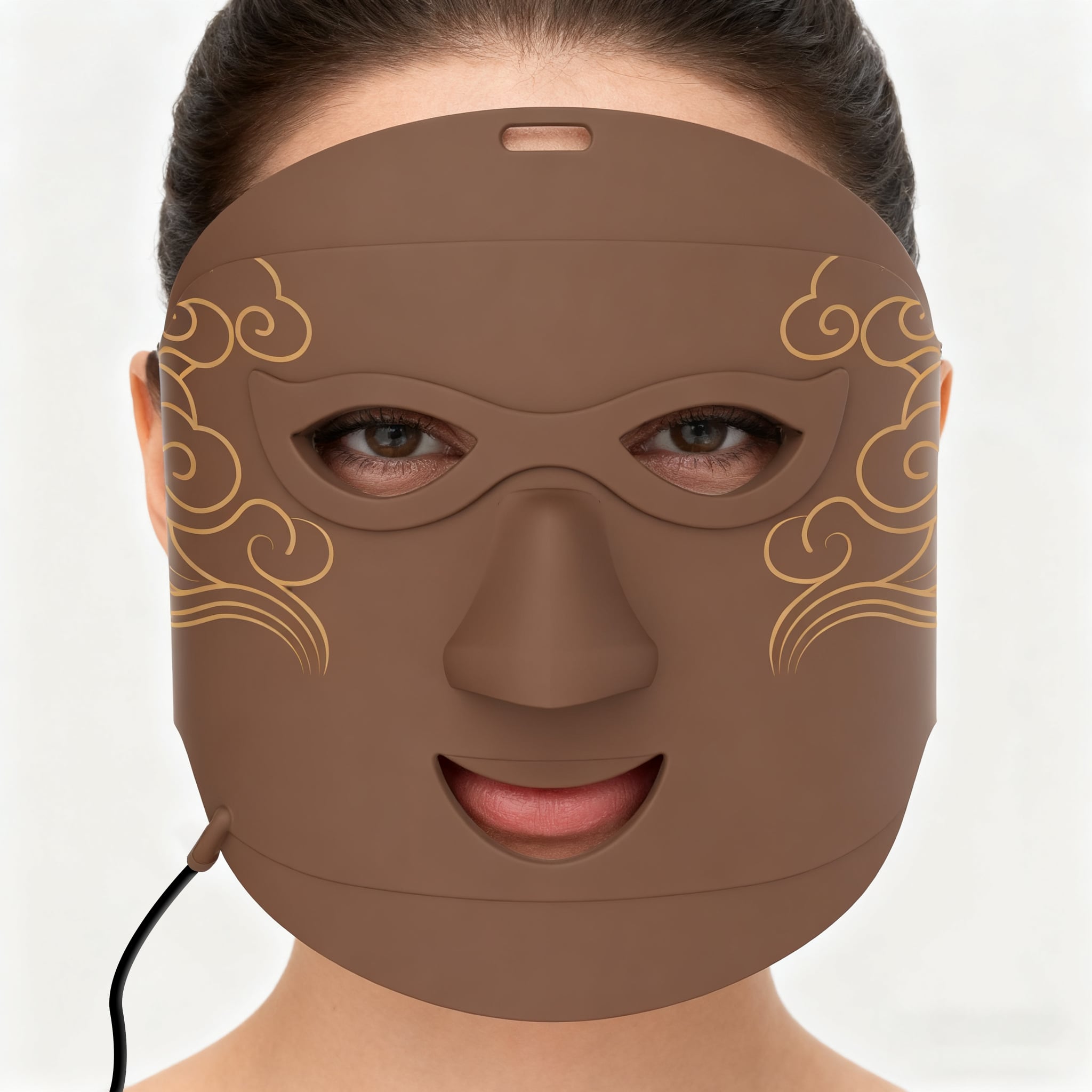
An LED mask can be a simple way to make light-based skin care more consistent, but it works most effectively as a routine rather than a quick fix. For face and neck anti-aging care, the practical question is not just how often to switch on an LED mask. You also need to confirm where the device is designed to sit, how your skin tolerates it, and whether its instructions include the neck. This guide explains a careful home approach without promising dramatic or medical results.
From a skin-management perspective, the habit that tends to make the biggest difference is modest and repeatable: clean skin, the correct session length, sensible placement, and patience. More exposure is not automatically better. A well-used LED mask should fit into a broader routine that includes daily sun protection and products your skin already tolerates.
Not every LED mask treats the neck. Most masks are shaped to cover the forehead, cheeks, nose, and chin. Some have an extended lower panel or a matching neck-and-décolletage attachment; others do not. Look at the manufacturer’s diagrams and instructions before you try to reposition a face-only device below the jaw.
If the manual specifically permits neck use, follow its stated placement. If it does not, do not assume that holding the LED mask against the throat, wrapping it around the neck, or running back-to-back sessions is appropriate. Coverage, distance from the skin, eye protection, heat, and intended dose can all change when a device is moved away from its original position.
A useful reality check is this: a mask that reaches the lower face does not necessarily deliver even coverage to the sides of the neck. When neck care matters to you, choose a device that explicitly includes that area or ask a dermatologist whether a separate, purpose-designed device makes sense.
Use your LED mask on clean, dry skin unless the device manual says otherwise. Remove makeup, sunscreen, and heavy leave-on products first. A clean surface makes the routine easier to repeat and avoids guessing whether a product is causing extra warmth or irritation during a session.
For face and neck care, keep preparation deliberately simple:
Avoid introducing a strong exfoliant, retinoid, or new active at the same moment you begin an LED mask routine. If your skin reacts, changing one variable at a time makes it much easier to identify what needs adjusting.
The instructions that come with your LED mask are the main authority for session length and frequency. General consumer guidance often describes short sessions, commonly around 10 to 20 minutes, several times per week, but that range is not a substitute for your device’s directions. Device output, fit, and intended protocol differ.
For the first two weeks, use the lowest recommended frequency and keep a simple note of the date, area treated, and how your skin felt afterward. If the LED mask is approved for both areas, treat the face and neck in the sequence described by its maker. Do not add extra neck sessions just because the neck is a concern; higher frequency is not a reliable route to better results.
Consistency matters more than intensity. People often abandon a routine after a few uses because changes are subtle. Instead, take photos in the same lighting every four to six weeks and judge comfort, texture, and overall routine adherence rather than expecting overnight tightening.
When an LED mask is designed for full face and neck treatment, begin with the face section positioned as instructed. Keep it flush enough to stay stable but not so tight that straps cause pressure marks or discomfort. Then place the neck component so it lies evenly over the intended skin area without pulling or folding.
If you own a face-only LED mask, resist improvised placement. The front of the neck is a sensitive area, and the device may not be engineered to rest there. Do not use a mirror-based “spot treatment” method unless the instructions expressly allow it. A purpose-built neck panel or a clinician’s individualized recommendation is safer than adapting a device outside its labeling.
An LED mask may support a cosmetic skin-care routine, but it is not a replacement for sun protection, a balanced topical regimen, sleep, or medical care. Evidence and device claims vary, and results depend on the product, the concern being addressed, and consistent use. Think in terms of gradual support for the look of skin rather than a guarantee of collagen rebuilding or a substitute for professional treatment.
The American Academy of Dermatology notes that some red-light devices have FDA clearance for treating signs of skin aging at home. That clearance is device-specific, not a universal endorsement of every LED mask, and it does not predict the result for an individual. Check the exact model’s labeling rather than relying on a seller’s general language.
Stop using your LED mask and seek advice if you develop persistent redness, pain, swelling, a rash, eye discomfort, or worsening discoloration. It is also sensible to talk with a dermatologist before starting if you have a photosensitive condition, use medication that increases light sensitivity, have an active skin condition, or are unsure about treatment around the neck.
This step is especially important if you have a history of hyperpigmentation or a darker skin tone, since visible-light sensitivity can vary. A clinician can help you decide whether an LED mask fits your skin goals and how to introduce it conservatively.
A sound LED mask routine for face and neck anti-aging care is therefore a cautious one: use a device designed for the areas you want to treat, follow its instructions exactly, and give gradual results time. That approach protects both your skin and your expectations.

2026/10/30
Discover why in-house mold development helps an RF beauty device manufacturer improve product consistency, iteration speed, tooling control, and production readiness.

2026/10/30
Learn how to verify an RF beauty device manufacturer's R&D and prototyping capabilities using practical engineering workflows and audit checklists.

2026/10/30
Learn what shapes MOQ when choosing an RF beauty device manufacturer and how to plan a lower-risk first order with balanced platform and customization.

2026/10/30
Use this RF beauty device manufacturer evaluation checklist to compare safety evidence, OEM and ODM capability, quality control, and launch readiness.

2026/10/30
See how technology makes beauty at home more guided, consistent, and informed—plus a practical checklist for choosing devices wisely.

2026/10/30
Explore how AI and smart devices shape the future of beauty with responsive routines, clear guidance, trustworthy design, and user-controlled care.

Ideal for daily facial care routines, providing easy-to-use beauty solutions at home.

Perfect for spas and salons’ frequent treatments, enhancing client experiences and results.

Supports dermatologists with advanced devices for professional skin therapy sessions.

Delivers innovative solutions for full-body massage and relaxation with home devices.

Features anti-aging technologies to help reduce wrinkles and stimulate skin vitality.

Specialized devices for safe and effective hair removal suitable for home or clinic use.

Our customers love the Perfect Idea beauty devices. Quality, packaging, and results are all outstanding. We saw increased repeat sales after adding their facial cleansers to our lineup. Their support team is responsive and reliable.

Perfect Idea brings innovation and reliability to home beauty appliances. Our collaboration introduced their massage tools to Japanese women, boosting customer satisfaction and growing our brand trust across the region.

We partnered with Shenzhen Perfect Idea Tech for their beauty equipment. The shipping was fast and every product matched our expectations. Their home-use massagers are especially popular with local salons and home users.

The stylish packaging and attractive design make Perfect Idea stand out. French consumers appreciate the easy instructions and visible results. Communication was efficient and orders always arrived on time.

Perfect Idea home use personal care devices have become a favorite with our clients. The beauty device line offers quality at a reasonable price, and technical training for our staff made onboarding easy.

We selected Perfect Idea for our beauty product portfolio and have seen very positive feedback from our customers. Products are easy to market online and the customer support is reliable and helpful.
