 EN
Home Skincare
Ideal for daily facial care routines, providing easy-to-use beauty solutions at home.

2026/10/25
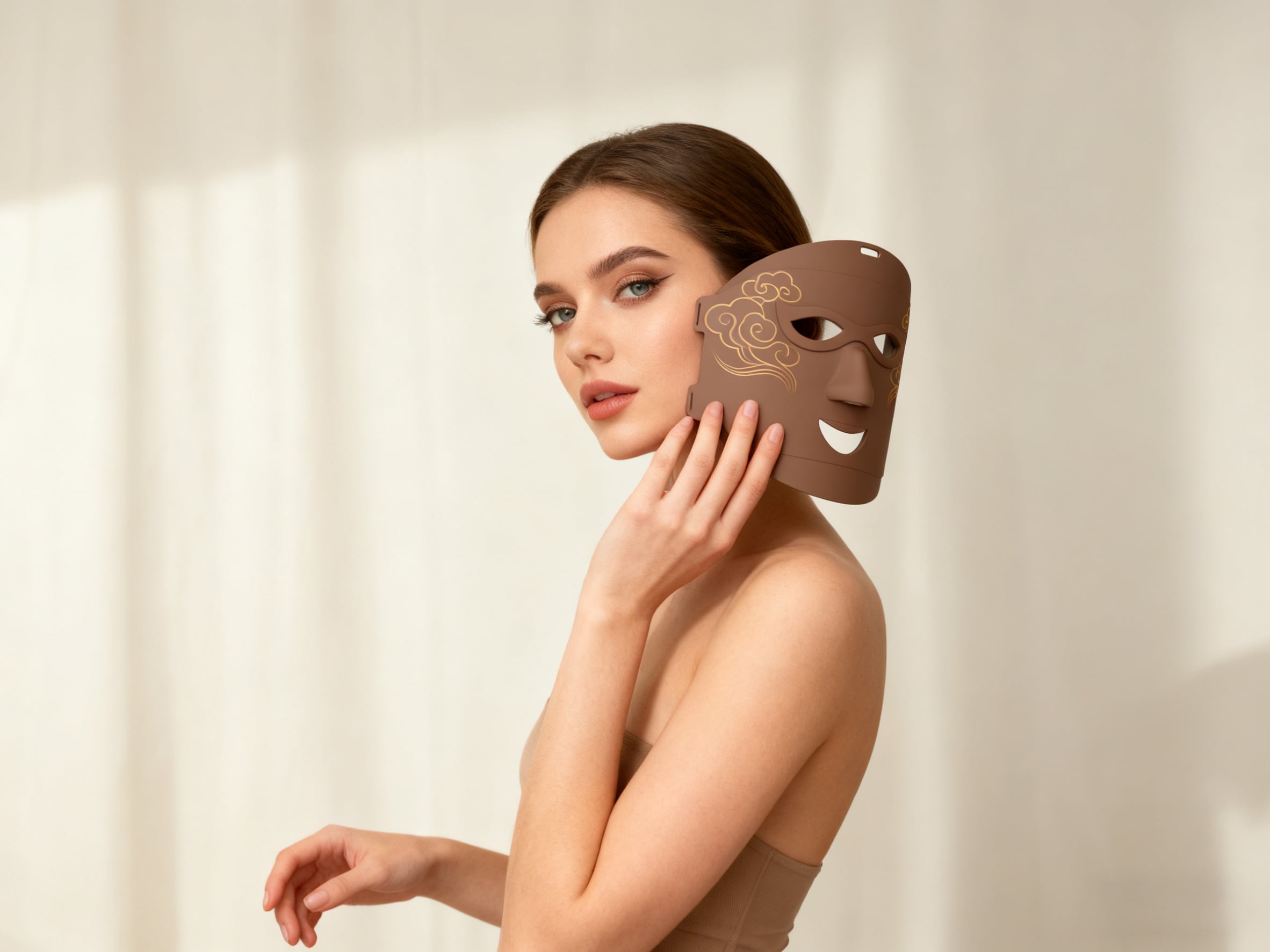
A red light therapy mask is usually designed around the contours of the face, so using one for the neck and décolletage calls for a little more thought than simply moving it lower. The goal is not to chase a longer session or a stronger sensation. It is to use a device only where its instructions allow, keep the light position consistent, and give this thinner, often sun-exposed skin a calm, repeatable routine.
For at home red light therapy, a conservative routine is: check the intended treatment area, prepare clean dry skin, follow the stated session length, and reassess if your skin feels irritated. A face-only mask may not physically cover the neck or upper chest evenly. In that case, it is better to use a compatible neck treatment device than to improvise with awkward placement.
Before extending a red light therapy mask beyond the face, read its user manual and product labeling. Look for the stated treatment zones, recommended distance or fit, session duration, frequency, eye-protection directions, and exclusions. A mask marketed or labeled for the face is not automatically intended for the neck and décolletage. Coverage matters because moving the device can change the angle, distance, and evenness of the light.
It also helps to separate device clearance language from a broad promise of results. Regulatory and product labeling are specific to a device's intended use. Do not assume that a feature mentioned for facial skincare applies to every body area. If the instructions do not describe neck or chest use, ask the manufacturer or choose a device designed for that area.
Red light devices are non-UV devices, but “non-UV” does not mean every situation is suitable for self-treatment. Check with a qualified clinician before use if you have a photosensitive condition, take medication that can increase light sensitivity, have a light-triggered seizure history, have an eye condition, are pregnant, are being treated for cancer, or have a new, changing, bleeding, or unexplained lesion in the area. This is especially important for the décolletage, where sun exposure can make existing skin changes easier to overlook.
Stop the session if you experience persistent discomfort, unusual redness, a rash, dizziness, eye discomfort, or a headache. A red light therapy mask is a skincare tool, not a substitute for diagnosing or treating a medical condition.
Keep preparation simple. Cleanse away makeup, sunscreen, fragrance, and heavy residue, then pat the skin dry unless your device instructions say otherwise. Avoid testing a new active exfoliant, strong retinoid, or fragranced product immediately before light exposure; the point is to reduce variables, not to stack as many treatments as possible.
Pull hair and necklaces away from the area, choose a stable place to sit or recline, and use a mirror the first few times. The neck has curves and the upper chest is broad, so small changes in posture can create uneven coverage. If the mask must be held in an unstable position, do not force it. A dedicated neck treatment device or another manufacturer-approved format is the more sensible choice.
Use the schedule printed for your red light therapy mask rather than copying a schedule from another device. Output, fit, treatment area, and programming vary. A predictable routine that you can tolerate comfortably is more useful than irregular, extra-long sessions. Keep a short note of the date, session setting, and any skin response for the first few weeks. That record can reveal whether a change in a cleanser, active serum, or session routine, not the light alone—coincides with irritation.
For red light anti aging products, realistic expectations matter. Cosmetic changes, if any, tend to be gradual and should be judged over a consistent routine, not after one session. Avoid claims that a home device can erase wrinkles, tighten every area, or replace professional assessment.
A flexible face mask can be convenient when its approved design genuinely reaches the intended area. Yet the face, neck, and chest have different shapes. If moving a face mask creates gaps, makes the LEDs point away from the skin, or requires you to hold it in place, it is not a reliable workaround. A purpose-built neck treatment device may offer more stable positioning and an intended coverage pattern, but it still needs to be used according to its own instructions.
When comparing options, ask practical questions: Is neck or décolletage use stated in the manual? Does the device sit comfortably without pressure? Can you repeat the same placement? Are the controls simple enough that you will use the approved timing? Those questions are more useful than selecting by a single specification alone.
A red light therapy mask can fit into neck and décolletage care only when the manufacturer allows that use and the device can be positioned safely and consistently. Start with clean dry skin, use the prescribed session length, avoid modifying the device, and choose a purpose-designed option if face-mask coverage is uneven. Thoughtful at home red light therapy is less about doing more and more about following an appropriate routine over time.

2026/10/30
Discover why in-house mold development helps an RF beauty device manufacturer improve product consistency, iteration speed, tooling control, and production readiness.

2026/10/30
Learn how to verify an RF beauty device manufacturer's R&D and prototyping capabilities using practical engineering workflows and audit checklists.

2026/10/30
Learn what shapes MOQ when choosing an RF beauty device manufacturer and how to plan a lower-risk first order with balanced platform and customization.

2026/10/30
Use this RF beauty device manufacturer evaluation checklist to compare safety evidence, OEM and ODM capability, quality control, and launch readiness.

2026/10/30
See how technology makes beauty at home more guided, consistent, and informed—plus a practical checklist for choosing devices wisely.

2026/10/30
Explore how AI and smart devices shape the future of beauty with responsive routines, clear guidance, trustworthy design, and user-controlled care.

Ideal for daily facial care routines, providing easy-to-use beauty solutions at home.

Perfect for spas and salons’ frequent treatments, enhancing client experiences and results.

Supports dermatologists with advanced devices for professional skin therapy sessions.

Delivers innovative solutions for full-body massage and relaxation with home devices.

Features anti-aging technologies to help reduce wrinkles and stimulate skin vitality.

Specialized devices for safe and effective hair removal suitable for home or clinic use.

Our customers love the Perfect Idea beauty devices. Quality, packaging, and results are all outstanding. We saw increased repeat sales after adding their facial cleansers to our lineup. Their support team is responsive and reliable.

Perfect Idea brings innovation and reliability to home beauty appliances. Our collaboration introduced their massage tools to Japanese women, boosting customer satisfaction and growing our brand trust across the region.

We partnered with Shenzhen Perfect Idea Tech for their beauty equipment. The shipping was fast and every product matched our expectations. Their home-use massagers are especially popular with local salons and home users.

The stylish packaging and attractive design make Perfect Idea stand out. French consumers appreciate the easy instructions and visible results. Communication was efficient and orders always arrived on time.

Perfect Idea home use personal care devices have become a favorite with our clients. The beauty device line offers quality at a reasonable price, and technical training for our staff made onboarding easy.

We selected Perfect Idea for our beauty product portfolio and have seen very positive feedback from our customers. Products are easy to market online and the customer support is reliable and helpful.
