 EN
Home Skincare
Ideal for daily facial care routines, providing easy-to-use beauty solutions at home.

2026/10/26
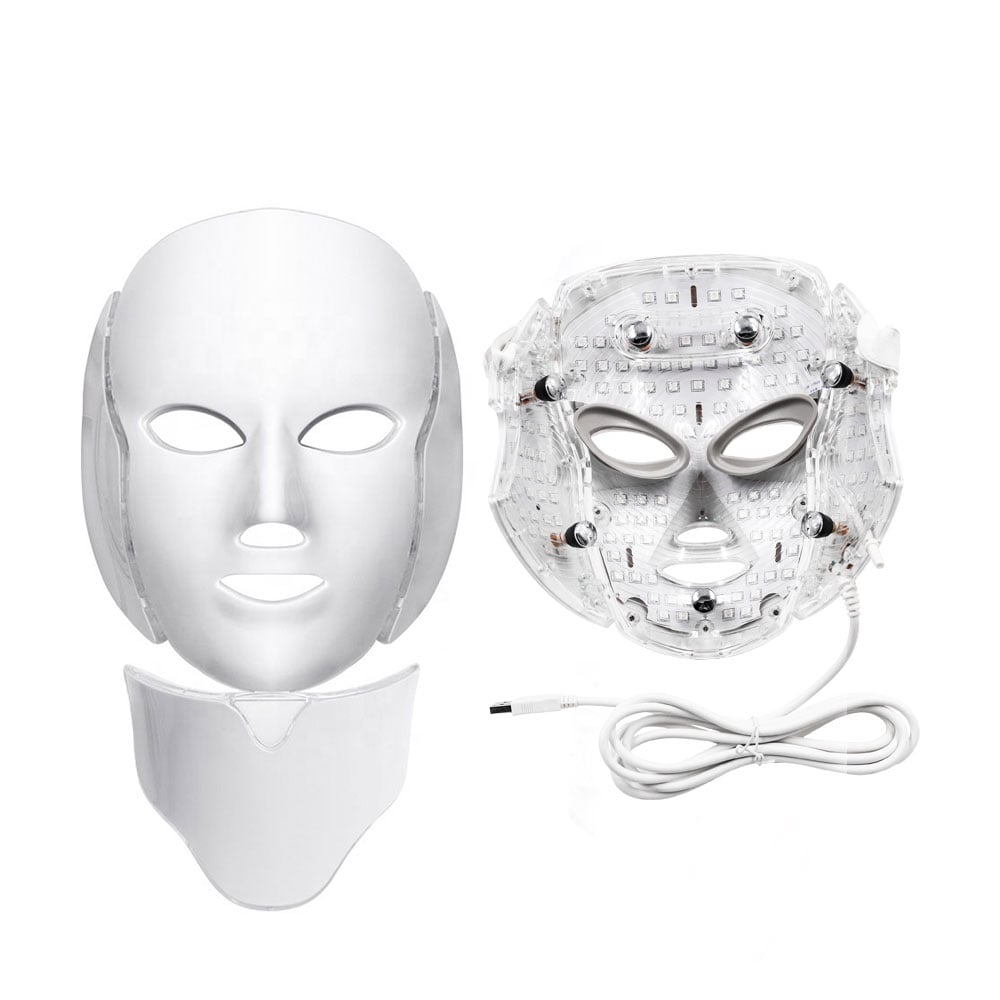
A silicone mask is easy to wipe clean, but an LED version is not the same as a plain silicone skincare accessory. The flexible face-contact surface sits alongside LEDs, wiring, connectors, and a controller that may be damaged by excess liquid. A restrained routine protects both hygiene and the device. The safest starting point is simple: follow the instructions supplied for your exact model, and do not assume that a cleaner safe for silicone is automatically safe for the whole mask.
As a technical adviser for home beauty devices, I treat cleaning as an operating step, not an afterthought. The goal is to remove skin oils, product residue, and visible soil from the silicone mask while keeping moisture away from openings and electronics. If the manufacturer’s instructions differ from the process below, the manufacturer’s instructions win.
Sanitizing is often used to mean making something feel cleaner, but liquid exposure is the key risk for an LED silicone mask. Do not submerge the mask, hold it under running water, put it in a dishwasher, or spray it directly with a cleaning solution unless the exact manufacturer instructions explicitly permit that method. Moisture can travel through seams, charging ports, control connections, or damaged cable insulation. Even a mask that looks dry at the surface can retain liquid near an electronic connection.
Before you begin, switch the device off, unplug it from power, and disconnect any controller or removable cable if the instructions allow it. Let the device cool if it has just been used. Do not clean a silicone mask while it is powered or charging.
The right cleaner depends on the model’s materials, seals, removable parts, and manufacturer validation. Look for the cleaning section in the instructions for use and note three things: whether the controller can be detached, which disinfectant or wipe is approved, and whether the eye shields, straps, or protective inserts have separate instructions.
It is tempting to use a strong household disinfectant because it seems more thorough. That is not necessarily safer. Bleach, abrasive powders, acetone, fragrance-heavy cleaners, and undiluted solvents can discolor silicone, leave irritating residue, cloud transparent components, or affect adhesives and printed markings. If your manual does not specifically approve alcohol or another disinfectant, do not make it the default. A mild, compatible surface-cleaning method is usually the more cautious option.
Wipe the skin-contact surface of your silicone mask after each use, especially if you wear skincare products, sunscreen, or makeup beforehand. For a silicone mask used regularly, this brief wipe helps prevent residue from drying around LED windows and edges. Store the silicone mask only after the surface is dry. A more deliberate cleaning session may be useful when residue is visible or when the device is shared according to the manufacturer’s instructions. Regular light cleaning is preferable to letting buildup harden and then using aggressive chemicals or hard scrubbing.
For day-to-day care, treat the silicone mask, its removable accessories, and its controller as different parts with different moisture limits. A silicone mask may feel water-resistant at the surface, but that does not make the connected electronics washable. Before putting the silicone mask away, check that the cable connection and any charging contact are dry. This small routine is easier than troubleshooting a silicone mask after accidental liquid exposure.
The distinction is useful: a gentle after-use wipe is not a claim that every model is suitable for clinical-level disinfection. Product labeling defines what a particular device can tolerate and what level of hygiene it is designed to provide.
After the mask has dried, inspect it under good light. The silicone should feel clean and dry, with no sticky film. Check that LED windows are clear, straps are secure, and the cable and connector show no fraying, discoloration, or trapped moisture. Then reconnect components only as the instructions specify. If anything looks different after cleaning, do not test the device on your face “just to see.” Contact the seller or manufacturer for model-specific advice.
Many users focus on finding the strongest cleaner, but the better question is whether the routine matches the construction of the device. For an LED silicone mask, consistency, minimal liquid, full drying, and approved materials are more useful than harsh treatment. The same principle applies if you are comparing home beauty devices for a brand: care instructions should account for the skin-contact surface and the electronic assembly together.
Keep the original instructions accessible, clean the silicone mask after use with a compatible low-moisture method, and allow time to dry before storage or charging. That routine helps preserve a comfortable face-contact surface without taking unnecessary chances with the LED components.
Do not wash, rinse, or soak it unless the manufacturer explicitly instructs you to do so. For most electronic LED masks, use only the approved surface-cleaning method and keep liquid away from connectors and openings.
Only if the instructions for your exact model approve them. Alcohol concentration, coatings, adhesives, and seals vary, so an approved wipe is safer than assuming all alcohol wipes are compatible.
Disconnect power immediately, do not charge or operate the device, and follow the manufacturer’s support instructions. Do not use heat to force-dry the port or continue using the mask until you receive appropriate guidance.

2026/10/30
Discover why in-house mold development helps an RF beauty device manufacturer improve product consistency, iteration speed, tooling control, and production readiness.

2026/10/30
Learn how to verify an RF beauty device manufacturer's R&D and prototyping capabilities using practical engineering workflows and audit checklists.

2026/10/30
Learn what shapes MOQ when choosing an RF beauty device manufacturer and how to plan a lower-risk first order with balanced platform and customization.

2026/10/30
Use this RF beauty device manufacturer evaluation checklist to compare safety evidence, OEM and ODM capability, quality control, and launch readiness.

2026/10/30
See how technology makes beauty at home more guided, consistent, and informed—plus a practical checklist for choosing devices wisely.

2026/10/30
Explore how AI and smart devices shape the future of beauty with responsive routines, clear guidance, trustworthy design, and user-controlled care.

Ideal for daily facial care routines, providing easy-to-use beauty solutions at home.

Perfect for spas and salons’ frequent treatments, enhancing client experiences and results.

Supports dermatologists with advanced devices for professional skin therapy sessions.

Delivers innovative solutions for full-body massage and relaxation with home devices.

Features anti-aging technologies to help reduce wrinkles and stimulate skin vitality.

Specialized devices for safe and effective hair removal suitable for home or clinic use.

Our customers love the Perfect Idea beauty devices. Quality, packaging, and results are all outstanding. We saw increased repeat sales after adding their facial cleansers to our lineup. Their support team is responsive and reliable.

Perfect Idea brings innovation and reliability to home beauty appliances. Our collaboration introduced their massage tools to Japanese women, boosting customer satisfaction and growing our brand trust across the region.

We partnered with Shenzhen Perfect Idea Tech for their beauty equipment. The shipping was fast and every product matched our expectations. Their home-use massagers are especially popular with local salons and home users.

The stylish packaging and attractive design make Perfect Idea stand out. French consumers appreciate the easy instructions and visible results. Communication was efficient and orders always arrived on time.

Perfect Idea home use personal care devices have become a favorite with our clients. The beauty device line offers quality at a reasonable price, and technical training for our staff made onboarding easy.

We selected Perfect Idea for our beauty product portfolio and have seen very positive feedback from our customers. Products are easy to market online and the customer support is reliable and helpful.
