 EN
Home Skincare
Ideal for daily facial care routines, providing easy-to-use beauty solutions at home.

2026/10/25
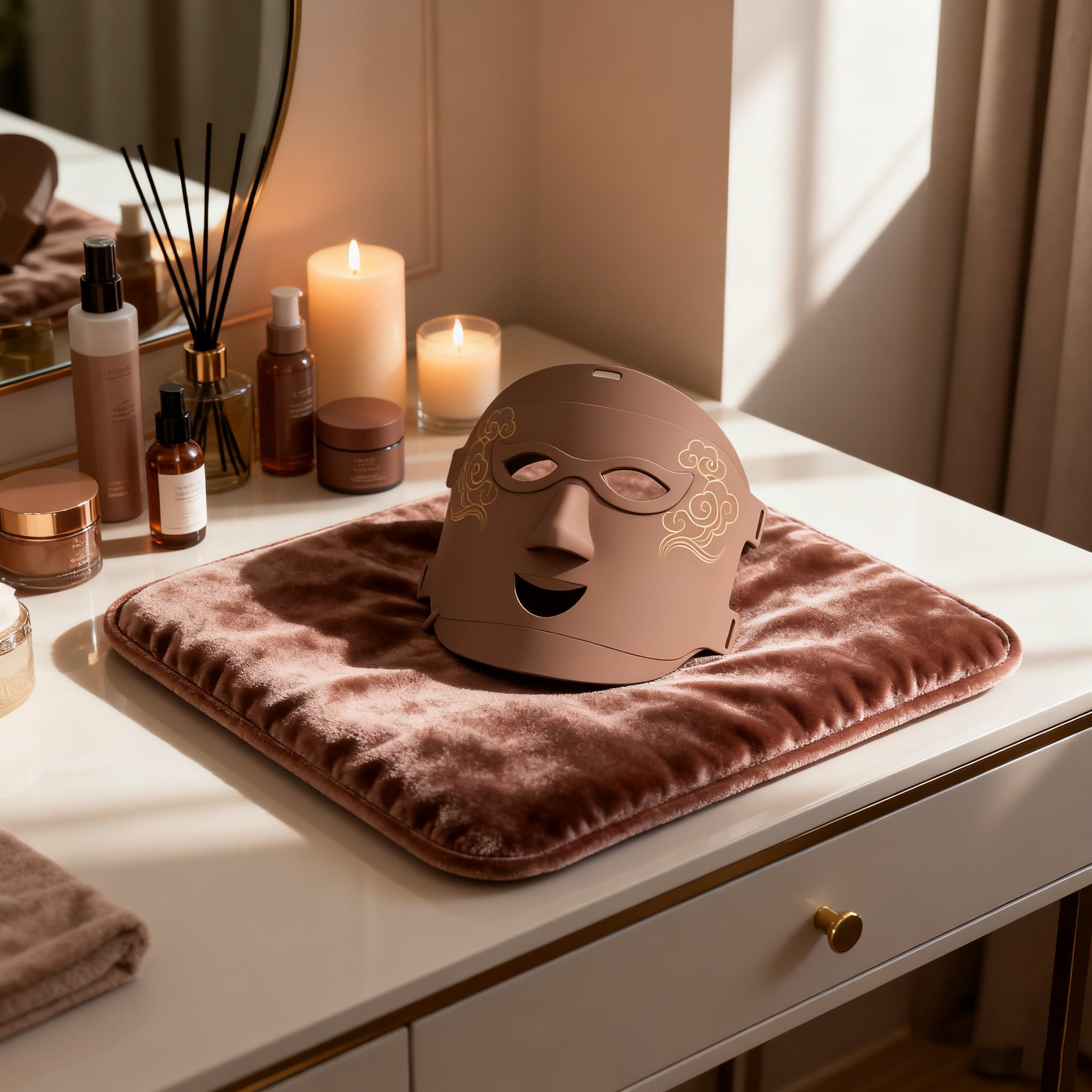
A silicone mask is often discussed as a material choice, but for an LED facial device, comfort is really a design-system question. A soft shell can still feel awkward if the nose bridge presses, the straps pull unevenly, or the eye area is distracting. From an OEM and ODM development perspective, the better question is: can the wearer settle into a repeatable at-home routine without spending the session adjusting the device?
That distinction matters. A silicone mask intended for light-based skincare should feel secure without feeling tight, sit close enough to remain stable, and make ordinary setup and cleaning uncomplicated. No single shape works perfectly for every face, so a comfort-led specification should focus on adaptable contact, balanced load, and clear fit checks rather than promises of a universal fit.
For a home-use device, comfort affects willingness to use it consistently. In practical fit reviews, total weight, strap adjustment, and contact around facial contours are recurring considerations. That does not mean the lightest silicone mask automatically wins. A very light design can still shift around the cheeks, while a slightly more structured design may feel calmer if it distributes pressure well.
For brands developing a silicone mask, comfort should therefore be tested as a sequence: put it on, adjust it, sit or recline normally, remove it, and clean it. The five features below make that sequence more user-friendly.
The first comfort feature is a flexible silicone mask body with controlled contouring. The goal is not to clamp every millimetre of skin. It is to let the silicone mask rest across the forehead, cheeks, and jaw with fewer hard pressure points. A flexible form can accommodate normal differences in cheekbone width and jaw shape better than a rigid shell with one fixed curve.
During development, inspect the transition zones around the temples and lower cheeks. Abrupt edges or thick, inflexible sections are where a mask may dig in when the wearer moves their head. A smooth perimeter and a shape that bends gradually are usually more useful than adding decorative contours that do not improve fit.
The nose area is a small detail with an outsized effect. If a silicone mask concentrates pressure on the bridge, the wearer may notice discomfort within minutes. If the opening is too loose, the mask can slide downward. The useful middle ground is a softly relieved nose zone with enough clearance for normal breathing and enough surrounding support to help the mask stay in position.
Here is a practical question for a prototype review: can a user inhale comfortably, speak a short sentence, and look down briefly without the mask pinching or drifting? If not, revising the nose geometry may add more real comfort than changing a cosmetic surface texture. People with different nose bridges will still experience fit differently, so several sample faces and a brief wear test are more revealing than a single bench inspection.
A good silicone mask needs a retention system, but the straps should not do all the work. When straps are overly narrow, too elastic, or positioned at one height only, they can pull the mask toward the eye area or create pressure behind the ears. Adjustable straps with sensible anchor points help share the load across the head rather than concentrating it at the nose and cheekbones.
For comfort-oriented design, look for easy adjustment that can be made without removing the mask. The wearer should be able to secure the silicone mask for a seated session and then loosen it slightly for a reclined session. That flexibility is especially helpful because real users may not follow the idealized posture assumed in a product render.
The eye zone needs two kinds of attention: physical clearance and visual comfort. A silicone mask should leave enough room around the orbital area that the rim does not press into sensitive skin. At the same time, the design should give users a clear, product-specific way to manage brightness or eye sensitivity, following the supplied instructions.
Removable eye inserts, soft eye surrounds, or well-shaped openings can be considered when they are compatible with the device design. More importantly, prototypes should be evaluated with the user sitting upright and reclined. A feature that looks well positioned on a display stand may shift toward the eyes during actual wear. Do not imply that one geometry suits everyone; offer clear fit guidance and let customers stop use if the device feels uncomfortable or causes irritation.
Comfort continues after the session. A silicone mask with seams, deep grooves, or difficult strap joints can make cleaning feel like a chore, and chores reduce repeat use. Smooth, accessible surfaces are easier to wipe according to the manufacturer’s care instructions. A perimeter that does not trap residue also feels better against the skin than an edge that becomes stiff or sticky over time.
This feature is easy to underestimate because it is not flashy. Yet for a reusable silicone mask, the material finish, strap removability, and access to high-contact areas all influence whether daily care is realistic. Avoid promising universal hypoallergenic performance unless the finished product and its claims have been appropriately substantiated. Instead, describe the cleaning process plainly and specify what users should avoid, such as harsh cleaners that are not approved in the product instructions.
When comparing concepts, turn comfort into observable checkpoints instead of a vague marketing adjective:
For an OEM or ODM brief, it is also sensible to document which features are fixed by tooling and which can be tuned for a brand’s target user. Material thickness, strap architecture, eye inserts, surface finish, and packaging instructions all influence the final experience. The manufacturer supports ODM development from functional design and appearance customization through packaging options, so a brand can discuss comfort requirements early rather than treating them as a late-stage styling issue.
The most comfortable silicone mask is not defined by silicone alone. It comes from flexible contouring, a pressure-relieved nose bridge, load-sharing straps, considerate eye-area design, and surfaces that are simple to maintain. Before finalizing a design, ask potential users to wear it long enough to notice the small annoyances: a slipping edge, a tight strap, a bright eye opening, or an awkward cleaning step. Those details often determine whether a silicone mask feels like a device people can live with, not merely a device they can try once.

2026/10/30
Discover why in-house mold development helps an RF beauty device manufacturer improve product consistency, iteration speed, tooling control, and production readiness.

2026/10/30
Learn how to verify an RF beauty device manufacturer's R&D and prototyping capabilities using practical engineering workflows and audit checklists.

2026/10/30
Learn what shapes MOQ when choosing an RF beauty device manufacturer and how to plan a lower-risk first order with balanced platform and customization.

2026/10/30
Use this RF beauty device manufacturer evaluation checklist to compare safety evidence, OEM and ODM capability, quality control, and launch readiness.

2026/10/30
See how technology makes beauty at home more guided, consistent, and informed—plus a practical checklist for choosing devices wisely.

2026/10/30
Explore how AI and smart devices shape the future of beauty with responsive routines, clear guidance, trustworthy design, and user-controlled care.

Ideal for daily facial care routines, providing easy-to-use beauty solutions at home.

Perfect for spas and salons’ frequent treatments, enhancing client experiences and results.

Supports dermatologists with advanced devices for professional skin therapy sessions.

Delivers innovative solutions for full-body massage and relaxation with home devices.

Features anti-aging technologies to help reduce wrinkles and stimulate skin vitality.

Specialized devices for safe and effective hair removal suitable for home or clinic use.

Our customers love the Perfect Idea beauty devices. Quality, packaging, and results are all outstanding. We saw increased repeat sales after adding their facial cleansers to our lineup. Their support team is responsive and reliable.

Perfect Idea brings innovation and reliability to home beauty appliances. Our collaboration introduced their massage tools to Japanese women, boosting customer satisfaction and growing our brand trust across the region.

We partnered with Shenzhen Perfect Idea Tech for their beauty equipment. The shipping was fast and every product matched our expectations. Their home-use massagers are especially popular with local salons and home users.

The stylish packaging and attractive design make Perfect Idea stand out. French consumers appreciate the easy instructions and visible results. Communication was efficient and orders always arrived on time.

Perfect Idea home use personal care devices have become a favorite with our clients. The beauty device line offers quality at a reasonable price, and technical training for our staff made onboarding easy.

We selected Perfect Idea for our beauty product portfolio and have seen very positive feedback from our customers. Products are easy to market online and the customer support is reliable and helpful.
