 EN
Home Skincare
Ideal for daily facial care routines, providing easy-to-use beauty solutions at home.

2026/09/18
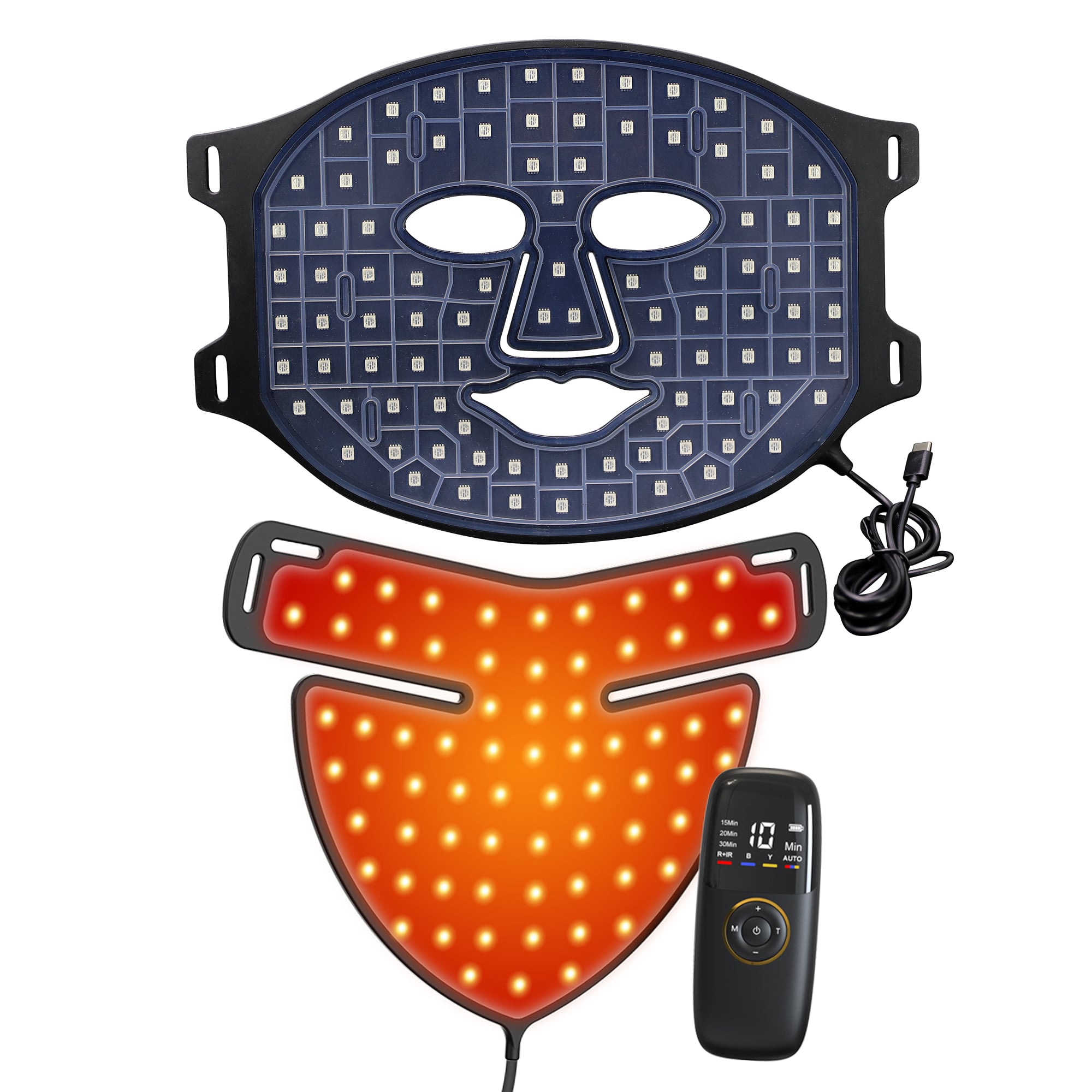
Sensitive skin often makes people cautious about adding anything new to a routine. A treatment can sound promising yet still raise a sensible question: will it leave skin hot, tight, or more reactive? That is one reason LED therapy is often considered. Unlike a peel, scrub, or procedure designed to create a visible injury, LED therapy uses non-UV light in a contact-free format. It can be a lower-friction way to support a thoughtful routine when the goal is to avoid piling on stimulation.
As a beauty-device technical adviser, I start with tolerance rather than a long feature list. The useful question is not whether LED therapy is a cure-all. It is whether the device, schedule, and skin’s current condition make LED therapy a reasonable option. That distinction matters most when the barrier is already unsettled.
Sensitivity is not one diagnosis. It can describe skin that stings easily, flushes after a new product, feels dry after cleansing, or reacts during a flare. In that setting, even well-intended “active” routines can become difficult to manage. Strong exfoliation, friction, heat, and frequent product changes may all make it harder to tell what skin actually tolerates.
LED therapy appeals because the session itself does not require rubbing an abrasive across the face or applying a high-strength leave-on ingredient. The light is delivered without ultraviolet radiation. That does not make every LED therapy device right for every person, but it explains why people who want a gentler-feeling approach often ask about it first.
For sensitive skin, the experience of a treatment is part of the decision. LED therapy typically involves sitting in front of, or wearing, a light source for a set session. There is no needle, no abrasion, and no recovery period intended to follow the treatment. A mask still touches the skin, so it should be clean and comfortable, but the treatment mechanism is not based on scraping or resurfacing.
When skin is reactive, doing less is often easier to evaluate. LED therapy can be scheduled on its own rather than layered with several unfamiliar products. This makes it simpler to notice whether redness, warmth, or discomfort changes after use. Many people first assume more steps must mean better results; in practice, a routine that can be repeated comfortably is often the more useful starting point.
At-home LED therapy is not a reason to ignore instructions. It is, however, usually easier to introduce gradually than a treatment that is delivered all at once in a clinic. Start at the device’s recommended beginner schedule, avoid extending the session on the assumption that more is better, and keep the rest of the routine stable. If the skin barrier is calm, that pace may be appropriate. If skin is peeling, burning, or actively flaring, pause and seek individualized advice instead.
The American Academy of Dermatology notes that short-term red-light use appears safe and that research has not found the ultraviolet-related cancer risk associated with red light. Its guidance also makes the limits clear: some users can experience temporary mild pain or irritation. In other words, LED therapy should be approached as a potentially tolerable cosmetic-care tool, not as a guarantee that irritation cannot happen.
Visible light sensitivity can also vary. The same dermatology guidance advises people with darker skin tones to discuss at-home red-light devices with a dermatologist because visible light can contribute to hyperpigmentation in susceptible skin. People with a photosensitive condition, those taking photosensitizing medication, or anyone treating a persistent skin concern should ask a qualified clinician before beginning LED therapy.
Choosing LED therapy equipment for a sensitive audience should not begin with the highest number of modes. Look for a clear user manual, an easy-to-clean skin-contact surface, adjustable fit, sensible session controls, and transparent safety instructions. A device should not pressure a user into longer exposure than the guidance supports. If a mask feels tight, traps uncomfortable heat, or makes it hard to relax, consistent LED therapy use becomes less likely.
This is where the selection mindset changes. Instead of obsessing over a single specification, prioritize a device that supports an uncomplicated habit and has materials appropriate for skin contact. For a brand developing a home-use beauty device, attention to skin-contact materials and a clear onboarding routine can reduce avoidable user confusion. Those practical details are more meaningful than exaggerated promises.
LED therapy is not a substitute for medical care. Do not use LED therapy to self-treat a rapidly spreading rash, painful acne, infection, unexplained pigmentation, or a severe eczema or rosacea flare. Stop using LED therapy if it worsens discomfort. A dermatologist can help determine whether the symptom pattern, medication history, and skin tone call for a different plan.
Also remember that a calm session is not the same as a proven outcome. Results from LED therapy can be gradual, variable, and dependent on the concern being addressed. Setting that expectation protects sensitive-skin users from overusing a device when they do not see an immediate change.
LED therapy may be a comfortable option for some sensitive-skin users because it is non-invasive and non-UV, but it is not universally suitable. Follow device instructions, begin slowly, and stop if irritation develops. Seek professional advice for photosensitivity, medication concerns, or active skin disease.
It is generally wiser to simplify care during an active flare than to introduce LED therapy. Wait until skin is stable or ask a dermatologist for guidance tailored to the cause of the flare.
Use LED therapy only at the frequency stated by the manufacturer. More frequent or longer sessions do not automatically improve results and may make it harder to evaluate skin tolerance.
LED therapy is preferred by many sensitive-skin users because it offers a non-invasive, controllable addition to a pared-back routine. Its value is not that it bypasses every safety consideration. Its value is that LED therapy can be introduced cautiously, observed closely, and paused easily when skin asks for less. Choose the device and schedule that make consistency realistic, keep expectations measured, and let comfort guide the next step.

2026/10/30
Discover why in-house mold development helps an RF beauty device manufacturer improve product consistency, iteration speed, tooling control, and production readiness.

2026/10/30
Learn how to verify an RF beauty device manufacturer's R&D and prototyping capabilities using practical engineering workflows and audit checklists.

2026/10/30
Learn what shapes MOQ when choosing an RF beauty device manufacturer and how to plan a lower-risk first order with balanced platform and customization.

2026/10/30
Use this RF beauty device manufacturer evaluation checklist to compare safety evidence, OEM and ODM capability, quality control, and launch readiness.

2026/10/30
See how technology makes beauty at home more guided, consistent, and informed—plus a practical checklist for choosing devices wisely.

2026/10/30
Explore how AI and smart devices shape the future of beauty with responsive routines, clear guidance, trustworthy design, and user-controlled care.

Ideal for daily facial care routines, providing easy-to-use beauty solutions at home.

Perfect for spas and salons’ frequent treatments, enhancing client experiences and results.

Supports dermatologists with advanced devices for professional skin therapy sessions.

Delivers innovative solutions for full-body massage and relaxation with home devices.

Features anti-aging technologies to help reduce wrinkles and stimulate skin vitality.

Specialized devices for safe and effective hair removal suitable for home or clinic use.

Our customers love the Perfect Idea beauty devices. Quality, packaging, and results are all outstanding. We saw increased repeat sales after adding their facial cleansers to our lineup. Their support team is responsive and reliable.

Perfect Idea brings innovation and reliability to home beauty appliances. Our collaboration introduced their massage tools to Japanese women, boosting customer satisfaction and growing our brand trust across the region.

We partnered with Shenzhen Perfect Idea Tech for their beauty equipment. The shipping was fast and every product matched our expectations. Their home-use massagers are especially popular with local salons and home users.

The stylish packaging and attractive design make Perfect Idea stand out. French consumers appreciate the easy instructions and visible results. Communication was efficient and orders always arrived on time.

Perfect Idea home use personal care devices have become a favorite with our clients. The beauty device line offers quality at a reasonable price, and technical training for our staff made onboarding easy.

We selected Perfect Idea for our beauty product portfolio and have seen very positive feedback from our customers. Products are easy to market online and the customer support is reliable and helpful.
