 EN
Home Skincare
Ideal for daily facial care routines, providing easy-to-use beauty solutions at home.

2026/10/23
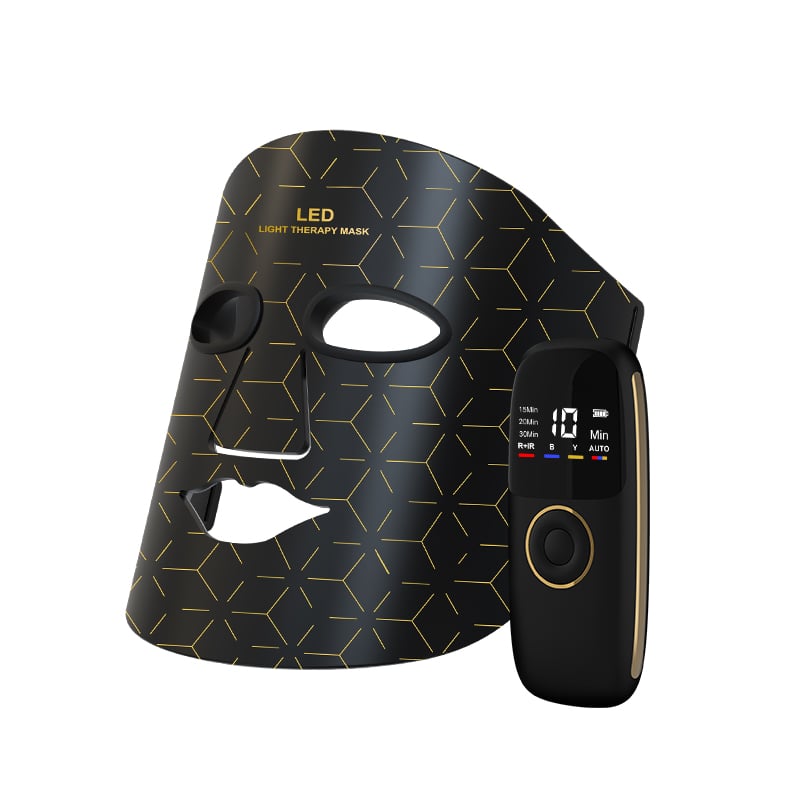
Modern skin care is no longer defined only by what comes in a jar. Cleansers, moisturizers, sunscreen, and targeted topical products remain the foundation, but LED light therapy is increasingly becoming a practical device category alongside those essentials. Its appeal is not that a light session replaces every other step. It is that a well-designed session can fit into a consistent skin care routine without needles, downtime, or a complicated appointment schedule.
From an industry-trend perspective, the shift is easy to understand. People now expect skin care to be more personalized, more measurable, and easier to repeat at home. LED devices answer part of that demand: they offer a repeatable ritual, a clear operating routine, and different light options for different goals. Still, essential does not mean magical. Good skin care decisions begin with realistic expectations, careful device selection, and a skin care regimen a person can actually maintain.
LED light therapy uses light-emitting diodes to deliver selected visible or near-infrared wavelengths to the skin. It is often discussed under the broader term photobiomodulation. Unlike ultraviolet light, the light used by these devices is not intended to tan the skin or create a sun-like exposure. That distinction is one reason the category has become more approachable in modern skin care.
In practice, LED light therapy is often considered for appearance-focused goals such as supporting an even-looking complexion, helping skin look more rested, or complementing care for blemish-prone skin. Research and clinical use continue to develop, and results can vary with wavelength, dose, schedule, skin concern, and the individual. That variability matters. It is more accurate to view LED light therapy as one supportive part of skin care than as a universal treatment or a substitute for diagnosis.
Many skin care regimens have become crowded with active ingredients and frequent product changes. A device-based skin care step can feel simpler because the user follows a defined session rather than layering another formula. A sensible role for LED light therapy is not “more is better.” It is a predictable step that works alongside gentle cleansing, appropriate topical care, moisturization, and daily sun protection.
Modern skin care is increasingly built around habits. A five- to fifteen-minute session may be easier to repeat than a complex multi-product ritual, especially when the device has clear controls and a comfortable fit. Regular use is commonly emphasized in LED light therapy education because visible changes, when they occur, are not usually immediate. This makes the category well suited to people who value steady routines over dramatic promises.
That said, a routine only works when it respects the skin’s current condition. If someone’s skin is irritated, peeling, unusually reactive, or being treated for a diagnosed condition, adding a new LED light therapy step without professional advice may not be sensible. In personal care, consistency should not mean pushing through discomfort.
Consumers increasingly ask what each skin care step is for. LED light therapy offers a visible, intentional device step: users can choose a mode and follow a stated schedule rather than hoping a single product does everything. Red and near-infrared light are often discussed in relation to skin rejuvenation, while blue-light approaches are often associated with blemish-focused routines. These are broad categories, not guarantees. A responsible regimen matches a device’s documented intended use to a realistic concern.
The practical advantage is clarity. Rather than adding several untested products at once, a user can introduce one LED light therapy device, observe how the skin responds, and keep the rest of the routine stable. That makes it easier to identify what is tolerable and useful for that individual.
At-home skin care has expanded because convenience matters. A home LED device can make light-based sessions more accessible, but it still deserves careful evaluation. Look for clear operating instructions, eye-safety guidance where relevant, and an intended use that matches the concern. If a device is described as FDA-cleared in the United States, remember that clearance is a regulatory safety classification for a specific use; it is not a blanket promise that every marketing claim will occur for every user.
People with photosensitivity, eye conditions, an active skin condition, or medications that increase light sensitivity should ask a qualified clinician before changing their routine. For deeper pigmentation concerns, severe acne, persistent redness, or a changing lesion, professional assessment matters more than a new device.
The strongest case for LED light therapy is not that it displaces basic skin care essentials. It can make a routine feel more deliberate when the skin care basics are already in place. A simple order often works well: cleanse gently, use the device only as its instructions direct, then apply compatible products if appropriate. During daytime skin care, broad-spectrum sunscreen remains important regardless of whether an LED device is used.
Skin care routines also benefit from restraint. Before buying, ask a few practical questions:
These questions shift LED light therapy from a trend purchase to a considered device choice. They also reduce the temptation to combine too many new variables at once. For brand teams and retailers, the same principle applies: clear instructions, credible boundaries, and user-friendly design are often more valuable than exaggerated before-and-after language.
LED light therapy is becoming essential in modern beauty care because it reflects where modern skin care is going: toward repeatable, noninvasive, at-home-supported routines with more intentional choices. It can be a meaningful addition for people whose goals and circumstances fit the device. But essential should not be interpreted as mandatory for everyone, nor as proof that a device can diagnose, cure, or reverse a skin condition.
A useful skin care routine remains individualized. Start with barrier-friendly basics, identify the concern you want to address, and give any new LED-light practice enough time to be assessed sensibly. If results are subtle, that does not automatically mean the routine failed; it may mean expectations, technique, or the underlying concern needs to be reconsidered. If the skin reacts poorly, stop and seek appropriate advice.
A measured introduction is often a sensible way to decide whether LED light therapy deserves a place in your skin care plan. Start with the schedule in the manufacturer’s instructions instead of extending sessions because more exposure sounds more persuasive. Keep cleansers, moisturizers, and sunscreen familiar for the first few weeks. That way, changes in comfort or appearance are easier to interpret.
Take simple notes rather than relying on a single mirror check. Is the device comfortable enough to use? Does the timing suit your evening skin care routine? Does the skin remain calm? These ordinary questions are useful because a device that is technically interesting but routinely skipped has little practical value. If a concern worsens, pauses in tolerance, or feels uncertain, stop the new step and ask a qualified professional for guidance.
For most people, the goal is not to turn skin care into a laboratory. It is to build a calm, repeatable sequence that supports the goals they have already identified. LED light therapy can contribute to that sequence when its claims are understood, its instructions are followed, and basic skin care remains the priority.
LED light therapy has earned a larger role because it gives modern skin care routines a structured device option that can be repeated at home and integrated thoughtfully with established basics. Its value lies in consistency, convenience, and appropriate expectations—not in replacing sunscreen, gentle cleansing, topical care, or professional guidance. Choose LED light therapy as you would any other skin care step: for a clear purpose, with credible instructions, and with the flexibility to adjust when your skin tells you it needs something different.

2026/10/30
Discover why in-house mold development helps an RF beauty device manufacturer improve product consistency, iteration speed, tooling control, and production readiness.

2026/10/30
Learn how to verify an RF beauty device manufacturer's R&D and prototyping capabilities using practical engineering workflows and audit checklists.

2026/10/30
Learn what shapes MOQ when choosing an RF beauty device manufacturer and how to plan a lower-risk first order with balanced platform and customization.

2026/10/30
Use this RF beauty device manufacturer evaluation checklist to compare safety evidence, OEM and ODM capability, quality control, and launch readiness.

2026/10/30
See how technology makes beauty at home more guided, consistent, and informed—plus a practical checklist for choosing devices wisely.

2026/10/30
Explore how AI and smart devices shape the future of beauty with responsive routines, clear guidance, trustworthy design, and user-controlled care.

Ideal for daily facial care routines, providing easy-to-use beauty solutions at home.

Perfect for spas and salons’ frequent treatments, enhancing client experiences and results.

Supports dermatologists with advanced devices for professional skin therapy sessions.

Delivers innovative solutions for full-body massage and relaxation with home devices.

Features anti-aging technologies to help reduce wrinkles and stimulate skin vitality.

Specialized devices for safe and effective hair removal suitable for home or clinic use.

Our customers love the Perfect Idea beauty devices. Quality, packaging, and results are all outstanding. We saw increased repeat sales after adding their facial cleansers to our lineup. Their support team is responsive and reliable.

Perfect Idea brings innovation and reliability to home beauty appliances. Our collaboration introduced their massage tools to Japanese women, boosting customer satisfaction and growing our brand trust across the region.

We partnered with Shenzhen Perfect Idea Tech for their beauty equipment. The shipping was fast and every product matched our expectations. Their home-use massagers are especially popular with local salons and home users.

The stylish packaging and attractive design make Perfect Idea stand out. French consumers appreciate the easy instructions and visible results. Communication was efficient and orders always arrived on time.

Perfect Idea home use personal care devices have become a favorite with our clients. The beauty device line offers quality at a reasonable price, and technical training for our staff made onboarding easy.

We selected Perfect Idea for our beauty product portfolio and have seen very positive feedback from our customers. Products are easy to market online and the customer support is reliable and helpful.
