 EN
Home Skincare
Ideal for daily facial care routines, providing easy-to-use beauty solutions at home.

2026/09/27
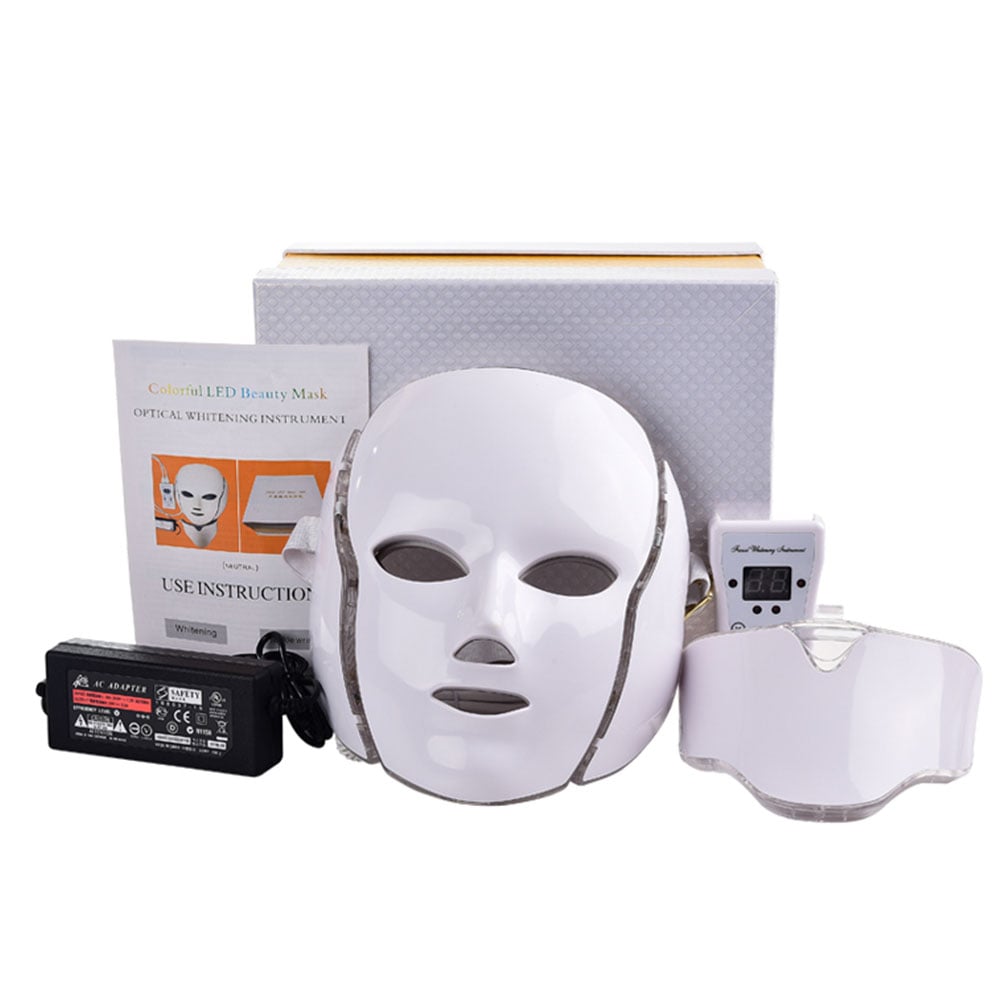
Ingredient transparency is not a finishing touch for beauty products. It is a development discipline that shapes formulation choices, supplier conversations, claims review, packaging, and the way customers decide whether a brand deserves their trust. When a label is clear and a brand can explain why each material is present, the product story has a better chance of matching the formula in the jar, bottle, or device package.
For teams developing beauty products, the practical question is not simply, “Can we list the ingredients?” It is, “Can we trace, explain, and communicate them accurately at every handoff?” That distinction matters because consumers increasingly compare ingredient lists, retailers need consistent product information, and regulatory review can expose gaps late in the launch process.
A transparent product begins with a formula record that is usable by more than the formulator. Procurement needs the correct supplier and material information. Regulatory reviewers need the intended ingredient names and market-specific documentation. Marketing needs language that describes the product without turning an ingredient into an unsupported promise. Packaging teams need a final, controlled source of truth.
Many launch problems appear when these records live in separate files and are reconciled only when artwork is nearly final. A fragrance component changes, a preservative blend is updated, or a botanical extract arrives with a different carrier. If the change is not captured promptly, the ingredient list, product page, and claims brief can drift apart. For beauty products, that drift is costly because a correction may affect compliance review, printed components, customer service scripts, and retailer data at the same time.
Customers do not all read labels in the same way. Some are looking for familiar moisturizers or cleansing agents; others want to avoid a known sensitivity trigger; others are comparing how two similar beauty products are positioned. A complete, readable ingredient list does not guarantee that everyone will interpret it correctly, but it gives people a reliable starting point.
That starting point supports better questions. Instead of relying on a vague “clean,” “natural,” or “gentle” headline, a customer can see the ingredients and ask how the product is intended to be used, what role a material plays, and whether a patch test or professional advice is appropriate for their situation. This is especially valuable when a product is marketed for a routine with several steps, where overlapping fragrance or active ingredients can matter to an individual user.
Clarity also improves the brand’s response when a concern arises. A customer-service team can give more consistent information when it has an approved ingredient glossary and a documented escalation path for safety questions. That is more useful than improvising answers after launch.
Ingredient transparency is closely tied to labeling discipline. In the United States, retail cosmetic ingredient declarations are generally presented in descending order of predominance, with specified exceptions. In the European Union, cosmetic labeling rules also require an ingredient list using recognized nomenclature. The exact obligation depends on the market and product classification, so development teams should involve qualified regulatory reviewers rather than treating a label template as universal.
The lesson for product development is straightforward: build the label from controlled formula data, not from a last-minute marketing summary. Maintain version history for the formula, supplier documents, ingredient naming decisions, and approved claims. When the formula changes, trigger a defined review of the label, product-information page, and supporting materials. This workflow makes it easier to identify what changed and why.
Being open about ingredients is different from claiming that every ingredient will deliver a specific outcome for every person. A responsible explanation states an ingredient’s role in the formula, its relevant use conditions, and the limits of product claims. For example, a humectant may support the product’s moisturizing feel, but that does not automatically justify a medical or universally assured-performance statement.
This boundary protects the customer and the brand. It gives marketing teams enough substance to explain beauty products clearly while leaving technical and regulatory claims to the evidence required for them.
Transparency is also an operational tool. A useful ingredient dossier can connect a formula component to its specification, supplier, country or facility documentation where relevant, safety information, allergen or fragrance disclosures where applicable, and the reason it was selected. When a supplier change or shortage occurs, this record helps the team assess whether a substitute changes the label, the product experience, or the approved claims.
That is important for both established lines and new beauty products. A formula may be technically sound, yet still create launch friction if the supply chain cannot provide consistent documentation. Early supplier review reduces the chance that a team must choose between delaying a launch and communicating incomplete information.
Ingredient transparency gives product education a factual center. Rather than building a campaign around a trending ingredient alone, a team can explain the formula as a system: what the product is designed to do, how it fits into a routine, what the featured ingredients contribute, and what users should reasonably expect. The tone should stay specific and conditional. Skin type, frequency of use, and the rest of a routine can all affect an individual experience.
This approach is particularly helpful for brands that develop across skincare, personal-care appliances, and home beauty devices. A broader product range can be convenient for buyers, but each category still needs its own evidence, instructions, and ingredient or material disclosures. One transparent process can create consistency without pretending that every category has the same risk profile.
The following working matrix keeps transparency visible at each decision point. It is not a substitute for product-specific regulatory advice, but it helps teams make the documentation for beauty products practical rather than theoretical.
| Checkpoint | Transparency action for beauty products |
|---|---|
| Brief | Define the intended user and the evidence boundary for beauty products. |
| Formula concept | Record why each proposed material belongs in beauty products. |
| Supplier review | Request current specifications for materials used in beauty products. |
| Prototype | Link formula versions to testing notes for beauty products. |
| Claims draft | Check that language about beauty products matches available evidence. |
| Ingredient naming | Confirm market-appropriate names for beauty products before artwork. |
| Fragrance review | Document applicable disclosures for fragranced beauty products. |
| Label artwork | Compare the ingredient declaration with the approved formula for beauty products. |
| Retail data | Keep product-page fields aligned with labels for beauty products. |
| Launch training | Give support teams approved answers about beauty products. |
| Change control | Assess whether a component change affects beauty products documentation. |
| Complaint intake | Route ingredient questions about beauty products to qualified reviewers. |
| Market expansion | Recheck disclosure rules before selling beauty products in a new region. |
| Periodic review | Refresh supplier records and public information for beauty products. |
| Portfolio governance | Use the same control logic while respecting category differences in beauty products. |
Transparent beauty products are easier to maintain because the organization has fewer hidden handoffs. Formulation, sourcing, regulatory, design, and commercial teams work from a shared view of the product. Customers receive information that is easier to verify against the label. When the market, formula, or supply chain changes, the brand has a clearer path to update what it says.
Ingredient transparency cannot replace sound formulation, safety assessment, testing, or compliant manufacturing. It does, however, connect those activities to the information customers and partners actually see. Treat it as an early product-development requirement, and it becomes a practical way to reduce avoidable rework while building more credible beauty products.

2026/10/30
Discover why in-house mold development helps an RF beauty device manufacturer improve product consistency, iteration speed, tooling control, and production readiness.

2026/10/30
Learn how to verify an RF beauty device manufacturer's R&D and prototyping capabilities using practical engineering workflows and audit checklists.

2026/10/30
Learn what shapes MOQ when choosing an RF beauty device manufacturer and how to plan a lower-risk first order with balanced platform and customization.

2026/10/30
Use this RF beauty device manufacturer evaluation checklist to compare safety evidence, OEM and ODM capability, quality control, and launch readiness.

2026/10/30
See how technology makes beauty at home more guided, consistent, and informed—plus a practical checklist for choosing devices wisely.

2026/10/30
Explore how AI and smart devices shape the future of beauty with responsive routines, clear guidance, trustworthy design, and user-controlled care.

Ideal for daily facial care routines, providing easy-to-use beauty solutions at home.

Perfect for spas and salons’ frequent treatments, enhancing client experiences and results.

Supports dermatologists with advanced devices for professional skin therapy sessions.

Delivers innovative solutions for full-body massage and relaxation with home devices.

Features anti-aging technologies to help reduce wrinkles and stimulate skin vitality.

Specialized devices for safe and effective hair removal suitable for home or clinic use.

Our customers love the Perfect Idea beauty devices. Quality, packaging, and results are all outstanding. We saw increased repeat sales after adding their facial cleansers to our lineup. Their support team is responsive and reliable.

Perfect Idea brings innovation and reliability to home beauty appliances. Our collaboration introduced their massage tools to Japanese women, boosting customer satisfaction and growing our brand trust across the region.

We partnered with Shenzhen Perfect Idea Tech for their beauty equipment. The shipping was fast and every product matched our expectations. Their home-use massagers are especially popular with local salons and home users.

The stylish packaging and attractive design make Perfect Idea stand out. French consumers appreciate the easy instructions and visible results. Communication was efficient and orders always arrived on time.

Perfect Idea home use personal care devices have become a favorite with our clients. The beauty device line offers quality at a reasonable price, and technical training for our staff made onboarding easy.

We selected Perfect Idea for our beauty product portfolio and have seen very positive feedback from our customers. Products are easy to market online and the customer support is reliable and helpful.
