 EN
Home Skincare
Ideal for daily facial care routines, providing easy-to-use beauty solutions at home.

2026/10/17
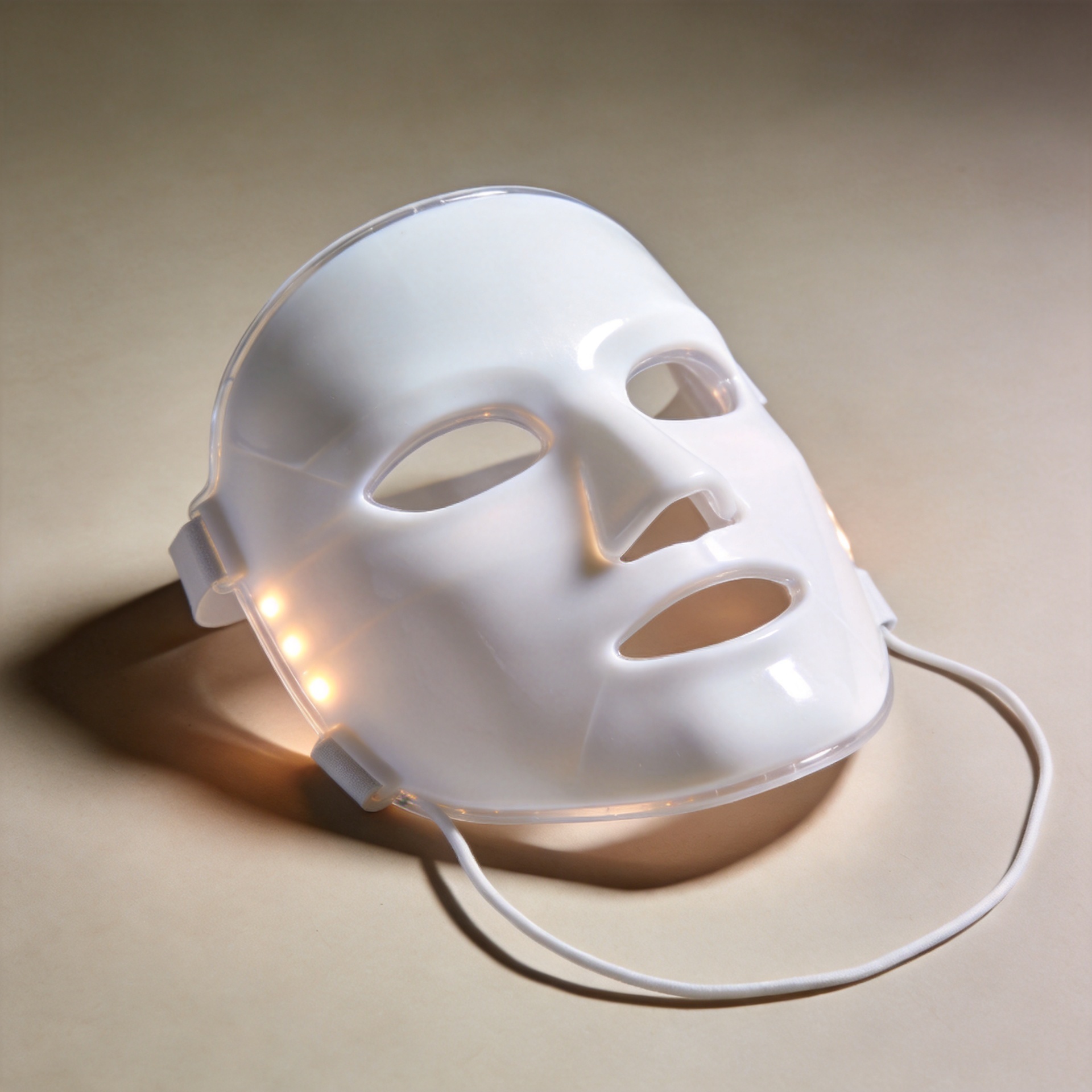
A silicone LED mask can be a more comfortable option for sensitive skin because its soft, flexible contact surface may reduce rubbing, pressure points, and the need for hard edges to sit tightly against the face. That said, “hypoallergenic” is a useful material claim, not a promise that every person will tolerate every device. A thoughtful choice and a careful first-use routine matter as much as the material itself.
From a skin-management perspective, the safest light-therapy mask is the one that fits gently, stays clean, uses settings you tolerate, and does not turn a temporary flush into repeated irritation. Material, design, skincare residue, heat, strap tension, and your own skin condition all affect the experience.
In practical terms, hypoallergenic silicone is usually chosen because silicone is smooth, nonporous, and less likely to contain the fragrance, dyes, or rough textile fibers that can complicate skin contact. A flexible device also tends to conform to facial contours instead of concentrating force along a rigid rim. For someone whose skin reacts to friction, that softer interface can be a meaningful advantage.
But hypoallergenic does not mean allergy-proof. Sensitivity can come from a strap, a cleanser left on the surface, adhesives, a skincare product trapped beneath the device, or the warmth and occlusion created during a session. Even a well-made mask may not suit skin that is actively flaring, sunburned, broken, or reacting to a new topical product.
A hard-shell mask can leave a fixed edge pressing into the nose bridge, cheeks, or jawline. With a flexible silicone design, the material can move slightly with facial contours. That does not eliminate pressure, but it can reduce the sharp, localized contact that some users find uncomfortable. Check that the mask lies flat without needing the straps pulled tight; a tighter fit is not automatically a better fit.
When a device does not sit evenly, people often compensate by over-tightening it. A well-fitting mask should feel supported rather than compressed. If the eye area, nostrils, or cheeks feel pinched, pause rather than trying to “break in” the fit. Repeated mechanical irritation can be more relevant to sensitive skin than the material label alone.
Skin oils, sunscreen, makeup, and product residue can change how any face-worn device feels. The smooth surface of silicone is generally easier to wipe according to the manufacturer’s instructions than a surface with deep seams or absorbent padding. Cleaning is not a cosmetic extra: it reduces the chance that yesterday’s residue becomes today’s contact trigger.
The silicone touches the skin; the LEDs deliver light. Those are related but different safety questions. LED light therapy is commonly used for cosmetic and dermatologic concerns, yet some people can experience temporary redness, dryness, or irritation. A soft silicone facepiece may improve comfort at the contact surface, but it does not make every light setting suitable for every skin condition.
Start conservatively. Use the shortest manufacturer-recommended session, avoid stacking it with a new active skincare product, and observe your skin through the next day. If you are prone to rosacea flares, eczema, photosensitivity, migraines triggered by light, or pigment changes after inflammation, ask a qualified clinician whether an LED routine is appropriate before treating the mask as a routine purchase.
Think of the first session as a tolerance check, not a performance test. Cleanse gently, dry the skin, and use the device on bare skin unless its instructions say otherwise. Do not combine the first session with exfoliating acids, retinoids, fragranced products, or a newly introduced serum. Adjust the straps so the mask stays in place without compression, then use a short session at the recommended starting setting.
Afterward, remove the mask, clean it as directed, and assess how your skin feels later that day and the following morning. Mild, short-lived warmth may be different from burning, itching, swelling, hives, persistent redness, or a rash. Stop using the device if those symptoms occur. Persistent or significant reactions deserve medical advice; a clinician may recommend patch testing when allergic contact dermatitis is suspected.
Sometimes the key issue is not whether a silicone light-therapy device is hypoallergenic. It may be an impaired skin barrier, a reaction to a topical product, an overly frequent schedule, or a device that simply does not fit your face. This is why product comfort should be evaluated as a system: material, hygiene, session length, light settings, and your current skin state.
For sensitive skin, the most useful promise is not instant transformation. It is a routine you can use calmly and consistently without pushing past warning signs. A flexible silicone design can support that goal when its contact surface is gentle, its instructions are followed, and your skin remains the final authority.
No. A silicone LED mask may reduce material-related discomfort for many users, but individual reactions and light sensitivity vary. Start cautiously and consult a clinician if you have a diagnosed skin condition or a history of device-related reactions.
Follow the device instructions. For a first session, bare, clean, dry skin makes it easier to identify whether the device itself is comfortable. Avoid trapping potentially irritating product residue beneath the mask.
Stop using the device, gently cleanse away any residue, and do not restart until the skin has settled. Seek medical advice for swelling, hives, a persistent rash, or worsening discomfort.

2026/10/30
Discover why in-house mold development helps an RF beauty device manufacturer improve product consistency, iteration speed, tooling control, and production readiness.

2026/10/30
Learn how to verify an RF beauty device manufacturer's R&D and prototyping capabilities using practical engineering workflows and audit checklists.

2026/10/30
Learn what shapes MOQ when choosing an RF beauty device manufacturer and how to plan a lower-risk first order with balanced platform and customization.

2026/10/30
Use this RF beauty device manufacturer evaluation checklist to compare safety evidence, OEM and ODM capability, quality control, and launch readiness.

2026/10/30
See how technology makes beauty at home more guided, consistent, and informed—plus a practical checklist for choosing devices wisely.

2026/10/30
Explore how AI and smart devices shape the future of beauty with responsive routines, clear guidance, trustworthy design, and user-controlled care.

Ideal for daily facial care routines, providing easy-to-use beauty solutions at home.

Perfect for spas and salons’ frequent treatments, enhancing client experiences and results.

Supports dermatologists with advanced devices for professional skin therapy sessions.

Delivers innovative solutions for full-body massage and relaxation with home devices.

Features anti-aging technologies to help reduce wrinkles and stimulate skin vitality.

Specialized devices for safe and effective hair removal suitable for home or clinic use.

Our customers love the Perfect Idea beauty devices. Quality, packaging, and results are all outstanding. We saw increased repeat sales after adding their facial cleansers to our lineup. Their support team is responsive and reliable.

Perfect Idea brings innovation and reliability to home beauty appliances. Our collaboration introduced their massage tools to Japanese women, boosting customer satisfaction and growing our brand trust across the region.

We partnered with Shenzhen Perfect Idea Tech for their beauty equipment. The shipping was fast and every product matched our expectations. Their home-use massagers are especially popular with local salons and home users.

The stylish packaging and attractive design make Perfect Idea stand out. French consumers appreciate the easy instructions and visible results. Communication was efficient and orders always arrived on time.

Perfect Idea home use personal care devices have become a favorite with our clients. The beauty device line offers quality at a reasonable price, and technical training for our staff made onboarding easy.

We selected Perfect Idea for our beauty product portfolio and have seen very positive feedback from our customers. Products are easy to market online and the customer support is reliable and helpful.
