 EN
Home Skincare
Ideal for daily facial care routines, providing easy-to-use beauty solutions at home.

2026/10/15
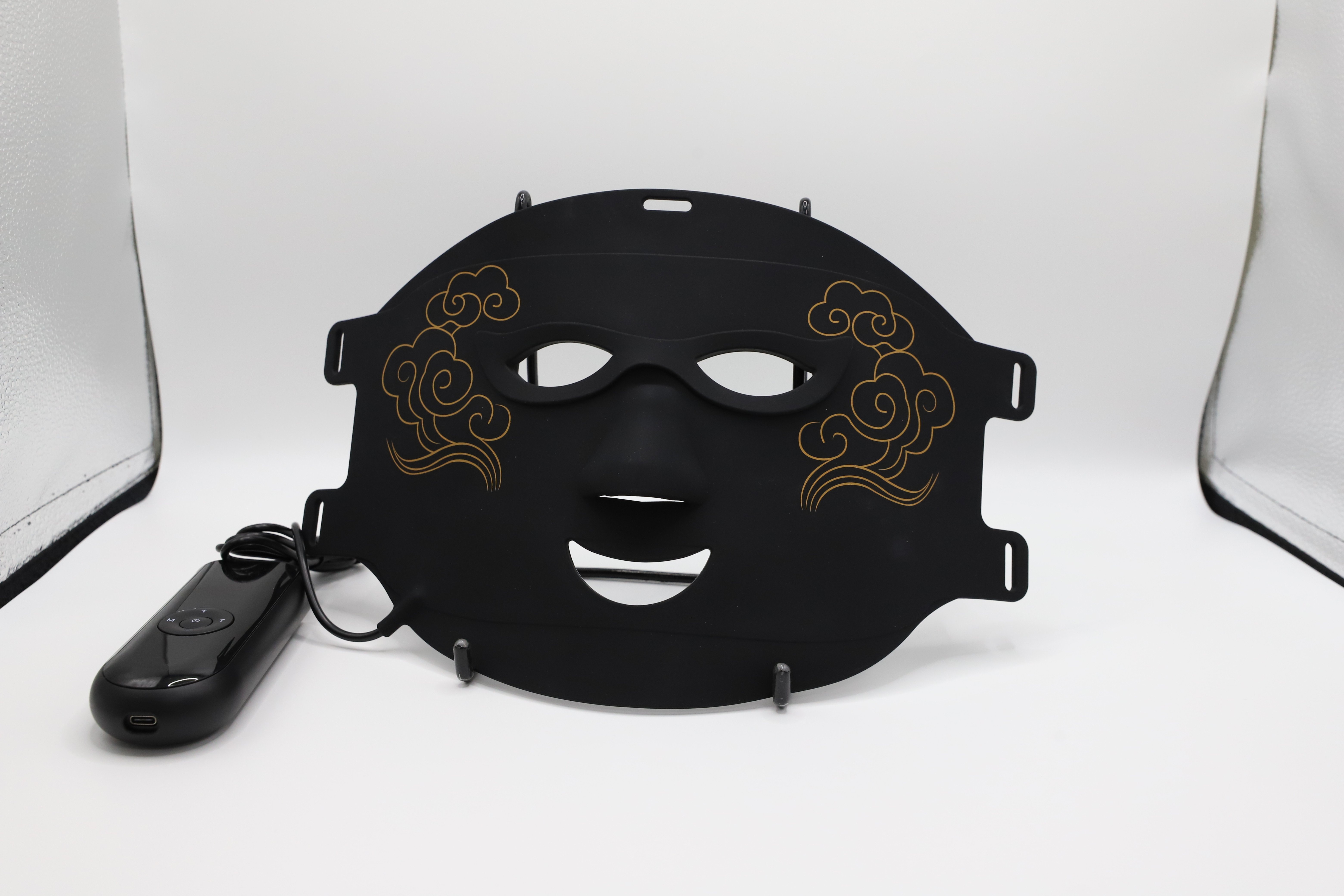
When comparing an at-home red light therapy device, it is tempting to treat the number of wavelengths as a shortcut for quality. It is not. A dual-wavelength design can be more versatile than a single-wavelength device because it can combine light bands that are commonly used for different tissue depths and goals. But “dual” is only an advantage when the wavelengths, output, coverage, controls, and treatment plan are all appropriate for the intended use.
As a technical adviser who reviews home beauty-device specifications, I start with a simple question: what result is the user trying to support, and can the device deliver a measured, repeatable dose safely? That approach prevents a buyer from paying for a longer spec sheet while missing the factors that shape real-world use.
Most dual-wavelength red light designs pair visible red light with near-infrared (NIR) light. Common examples include red light around 630–660 nm and NIR around 830–850 nm. Visible red is often selected for more superficial skin targets, while NIR is less visible and is commonly used when a device is intended to reach deeper tissue layers. The exact biological response depends on the dose and the person, so those ranges should be treated as selection context rather than a promise.
A single-wavelength red light therapy device can still be a sensible choice. A 630–660 nm device may suit a routine centered on visible-skin concerns, while a single NIR device may fit a narrowly defined recovery workflow. The dual approach becomes useful when a buyer wants one platform that can address both surface-oriented and deeper-target use cases without switching devices.
Light interacts with tissue differently across wavelengths. In a facial routine, red light may be chosen for a skin-focused program, whereas NIR is often included to complement that program at a different penetration profile. Combining them gives the user a broader treatment option in a single session or through separate selectable modes.
This is the practical advantage of a dual-wavelength red light therapy device: it offers flexibility, not automatic superiority. A well-designed device lets the user understand whether both bands are running together, whether they can be selected separately, and how the recommended session changes by mode.
Consistency matters more than chasing the largest number on a product page. A device that comfortably covers the intended area, fits the user’s schedule, and provides clear instructions is more likely to be used as directed. For a buyer building a home skincare program, a dual-wavelength mask or panel may reduce the need to alternate between separate devices.
There is a limit, however. More LEDs or more wavelength labels do not necessarily mean a better routine. Uneven coverage, uncomfortable fit, confusing controls, or excessive heat can undermine the practical value of a feature-rich design.
Published photobiomodulation literature includes work on combined 633 nm and 830 nm LED protocols for facial skin rejuvenation. That is a useful reason to consider a dual-band design, but it does not mean every consumer device with similar numbers will produce the same outcome. Study devices, session schedules, energy delivery, participant characteristics, and outcome measures can differ substantially from a retail product.
For that reason, responsible product development and buying guidance should say “may support” rather than claim that a dual-wavelength red light therapy device will outperform every single-wavelength alternative. The evidence supports evaluating the whole system, not copying one pair of wavelengths in isolation.
Photobiomodulation is often described as having a dose-response window. In plain language, too little energy may be ineffective, while more is not automatically better. Compare these factors before deciding that dual wavelength is the better investment:
| Buyer priority | When dual wavelength may help | When single wavelength may be enough |
|---|---|---|
| Flexible face and body routine | You want red and NIR options in one device and clear controls for each mode. | You only plan to treat one small area for one defined purpose. |
| Skin-focused home routine | You value a combined protocol and the device documents dose, fit, and safety clearly. | A quality red-only device meets your protocol and is easier to use consistently. |
| Budget-sensitive purchase | The added cost also brings usable coverage, controls, and transparent testing data. | The second wavelength is only a label with no practical information about output or use. |
| Brand or OEM development | You need a differentiated, configurable platform for multiple market requirements. | Your target user and compliance plan call for a focused, simpler product concept. |
For brand teams, this checklist also supports a more credible product brief. Rather than positioning a dual-wavelength red light therapy device as universally superior, define the user scenario, desired modes, treatment geometry, validation plan, and labeling requirements first. That is a more durable way to differentiate an at-home beauty device.
A dual-wavelength red light therapy device may outperform a single-wavelength option when it delivers complementary red and NIR bands at an appropriate dose, with even coverage and practical controls. It is not better simply because it contains two numbers on the box. For most buyers, the strongest choice is the device whose wavelength design, measured output, fit, safety features, and instructions align with the intended routine. If you have a medical condition, use photosensitizing medication, or are unsure whether light therapy fits your situation, consult a qualified healthcare professional before use.

2026/10/30
Discover why in-house mold development helps an RF beauty device manufacturer improve product consistency, iteration speed, tooling control, and production readiness.

2026/10/30
Learn how to verify an RF beauty device manufacturer's R&D and prototyping capabilities using practical engineering workflows and audit checklists.

2026/10/30
Learn what shapes MOQ when choosing an RF beauty device manufacturer and how to plan a lower-risk first order with balanced platform and customization.

2026/10/30
Use this RF beauty device manufacturer evaluation checklist to compare safety evidence, OEM and ODM capability, quality control, and launch readiness.

2026/10/30
See how technology makes beauty at home more guided, consistent, and informed—plus a practical checklist for choosing devices wisely.

2026/10/30
Explore how AI and smart devices shape the future of beauty with responsive routines, clear guidance, trustworthy design, and user-controlled care.

Ideal for daily facial care routines, providing easy-to-use beauty solutions at home.

Perfect for spas and salons’ frequent treatments, enhancing client experiences and results.

Supports dermatologists with advanced devices for professional skin therapy sessions.

Delivers innovative solutions for full-body massage and relaxation with home devices.

Features anti-aging technologies to help reduce wrinkles and stimulate skin vitality.

Specialized devices for safe and effective hair removal suitable for home or clinic use.

Our customers love the Perfect Idea beauty devices. Quality, packaging, and results are all outstanding. We saw increased repeat sales after adding their facial cleansers to our lineup. Their support team is responsive and reliable.

Perfect Idea brings innovation and reliability to home beauty appliances. Our collaboration introduced their massage tools to Japanese women, boosting customer satisfaction and growing our brand trust across the region.

We partnered with Shenzhen Perfect Idea Tech for their beauty equipment. The shipping was fast and every product matched our expectations. Their home-use massagers are especially popular with local salons and home users.

The stylish packaging and attractive design make Perfect Idea stand out. French consumers appreciate the easy instructions and visible results. Communication was efficient and orders always arrived on time.

Perfect Idea home use personal care devices have become a favorite with our clients. The beauty device line offers quality at a reasonable price, and technical training for our staff made onboarding easy.

We selected Perfect Idea for our beauty product portfolio and have seen very positive feedback from our customers. Products are easy to market online and the customer support is reliable and helpful.
