 EN
Home Skincare
Ideal for daily facial care routines, providing easy-to-use beauty solutions at home.

2026/10/28
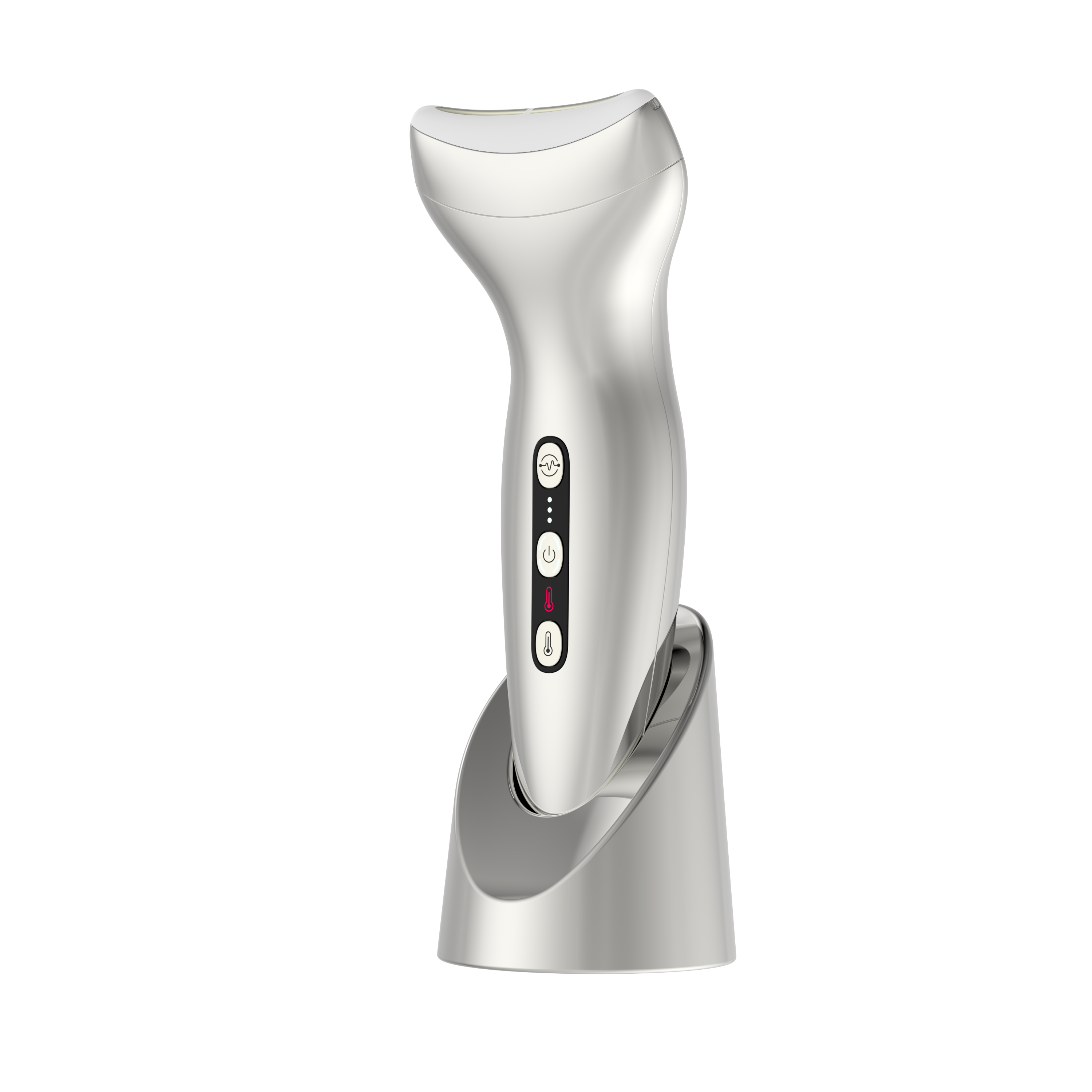
In RF and EMS beauty products, conductive gel is not just a slippery add-on. It is the contact layer between a handpiece or electrode and the skin. For product teams, that layer influences how consistently the device touches the skin, how comfortably a user can move the applicator, and whether the intended treatment protocol can be followed without dry spots or repeated passes.
That distinction matters because RF and EMS use different forms of energy. Radiofrequency (RF) systems are designed to deliver electromagnetic energy that may create controlled warming in the intended treatment area, while electrical muscle stimulation (EMS) systems use electrical pulses through electrodes. A compatible conductive medium can help support more even contact in both cases, but it does not make every gel suitable for every device. The device instructions, electrode design, output settings, and treatment area still lead the decision.
Skin is not perfectly flat. Fine texture, facial contours, hair, and an applicator held at a slight angle can leave microscopic air spaces. Air is a poor pathway for the close, even contact that many energy-based beauty products rely on. A properly applied conductive gel fills small gaps, improves glide, and helps the operator maintain a continuous treatment path rather than pressing harder or lingering in one place.
For beauty products that need a wet contact medium, the practical result is more predictable coupling from one pass to the next. The gel also reduces drag. That can matter on the jawline, neck, or other curved areas where a dry handpiece tends to catch, skip, or encourage uneven pressure. It is a usability benefit as much as a technical one.
RF beauty products may use conductive or capacitive coupling depending on their engineering. Published discussions of aesthetic RF distinguish these delivery approaches, which is one reason a generic substitute should not be assumed to work with every system. When a device specifies gel, the formulation and application amount are part of the intended operating method. The goal is not to promise a particular skin result; it is to maintain even contact and allow a steady, controlled glide at the settings and duration specified by the manufacturer.
Without enough compatible gel, a user may feel more friction or warmth in isolated spots and may compensate by applying excess pressure. Those changes make the treatment less repeatable. For an OEM or brand team, repeatability is important because a clear protocol is easier to explain, test, and support across different users.
In EMS beauty products, the contact medium can help an electrode sit consistently against the skin. Poor contact can make sensation feel uneven from one side of the treatment area to the other. It can also tempt a user to increase intensity before checking the simpler causes: dry skin, insufficient gel, an electrode that is not fully seated, or a worn consumable component.
That is why practical instructions should start with clean skin, an even gel layer where the manual calls for it, and gradual intensity adjustment. A gel is not a workaround for damaged electrodes, unsuitable placement, or ignored contraindications. It supports the contact conditions that the product was designed to use.
For RF and EMS beauty products, compatibility is more useful than a long list of marketing claims. A development or sourcing checklist can focus on the following points:
For a B2B program, gel selection should sit alongside handpiece design, electrode material, packaging, instructions for use, and customer-support scripts. Treating it as an afterthought can create avoidable friction in both the literal and customer-experience senses.
These steps sound simple, but they reduce variables. When a user reports an uncomfortable or inconsistent session, a support team can first confirm gel coverage, placement, and device settings before making assumptions about performance.
The first mistake is treating all conductive media as interchangeable. A gel designed for one type of electrode, frequency range, or treatment workflow may not be validated for another. The second is overpromising skincare benefits from the gel itself. A conductive medium may be formulated to support slip or hydration feel, but it should not be used to imply that energy delivery is risk-free or that every user will obtain the same cosmetic outcome.
The third mistake is separating consumable choice from the user instructions. If a device depends on gel, the recommended amount, reapplication cues, and cleaning steps deserve clear placement in the quick-start guide. That clarity is valuable for distributors, private-label buyers, and end users alike.
When creating RF or EMS beauty products, write the gel requirement into the product specification rather than leaving it to a distributor or retailer. Beauty products with a gel-dependent applicator need a concise instruction for the amount, coverage, reapplication cue, and cleanup method. For private-label beauty products, the same instruction should appear in the quick-start card, digital support content, and training material.
Testing should also reflect ordinary use. Evaluate beauty products on curved facial areas, at more than one ambient temperature, and after repeated applicator cleaning. Compare how the beauty products feel when the gel layer is even, thin, or beginning to dry, without encouraging use outside the intended settings. This gives teams practical language for troubleshooting: confirm coverage, contact, placement, and intensity in that order.
For buyers comparing beauty products, ask whether the supplier has defined a compatible medium and whether the instructions explain why. Strong beauty products documentation does not claim that one gel fits every device. Instead, it identifies the approved workflow and describes what the user should do if glide changes or contact becomes inconsistent. That approach makes beauty products easier to train, package, and support.
It is also useful to separate cosmetic experience from electrical function. Some beauty products may include sensory or skincare-oriented gel attributes, while other beauty products need a plain conductive medium. In both cases, the device manual remains the decision point. A consistent gel protocol helps beauty products deliver a repeatable user experience without making claims beyond the device's intended use.
Conductive gel matters because it helps create the contact conditions that many RF and EMS beauty products need for a smoother, more consistent session. It can reduce air gaps, support glide, and help users follow the intended protocol. Its value is not that it overrides device design or safety guidance; its value is that it works with them.
For brands and buyers, the most responsible approach is to match the gel to the device’s documented requirements, train users on correct application, and keep claims focused on contact, comfort, and protocol consistency. That makes conductive gel a small but meaningful part of a more reliable RF or EMS beauty-device experience.

2026/10/30
Discover why in-house mold development helps an RF beauty device manufacturer improve product consistency, iteration speed, tooling control, and production readiness.

2026/10/30
Learn how to verify an RF beauty device manufacturer's R&D and prototyping capabilities using practical engineering workflows and audit checklists.

2026/10/30
Learn what shapes MOQ when choosing an RF beauty device manufacturer and how to plan a lower-risk first order with balanced platform and customization.

2026/10/30
Use this RF beauty device manufacturer evaluation checklist to compare safety evidence, OEM and ODM capability, quality control, and launch readiness.

2026/10/30
See how technology makes beauty at home more guided, consistent, and informed—plus a practical checklist for choosing devices wisely.

2026/10/30
Explore how AI and smart devices shape the future of beauty with responsive routines, clear guidance, trustworthy design, and user-controlled care.

Ideal for daily facial care routines, providing easy-to-use beauty solutions at home.

Perfect for spas and salons’ frequent treatments, enhancing client experiences and results.

Supports dermatologists with advanced devices for professional skin therapy sessions.

Delivers innovative solutions for full-body massage and relaxation with home devices.

Features anti-aging technologies to help reduce wrinkles and stimulate skin vitality.

Specialized devices for safe and effective hair removal suitable for home or clinic use.

Our customers love the Perfect Idea beauty devices. Quality, packaging, and results are all outstanding. We saw increased repeat sales after adding their facial cleansers to our lineup. Their support team is responsive and reliable.

Perfect Idea brings innovation and reliability to home beauty appliances. Our collaboration introduced their massage tools to Japanese women, boosting customer satisfaction and growing our brand trust across the region.

We partnered with Shenzhen Perfect Idea Tech for their beauty equipment. The shipping was fast and every product matched our expectations. Their home-use massagers are especially popular with local salons and home users.

The stylish packaging and attractive design make Perfect Idea stand out. French consumers appreciate the easy instructions and visible results. Communication was efficient and orders always arrived on time.

Perfect Idea home use personal care devices have become a favorite with our clients. The beauty device line offers quality at a reasonable price, and technical training for our staff made onboarding easy.

We selected Perfect Idea for our beauty product portfolio and have seen very positive feedback from our customers. Products are easy to market online and the customer support is reliable and helpful.
