 EN
Home Skincare
Ideal for daily facial care routines, providing easy-to-use beauty solutions at home.

2026/10/22
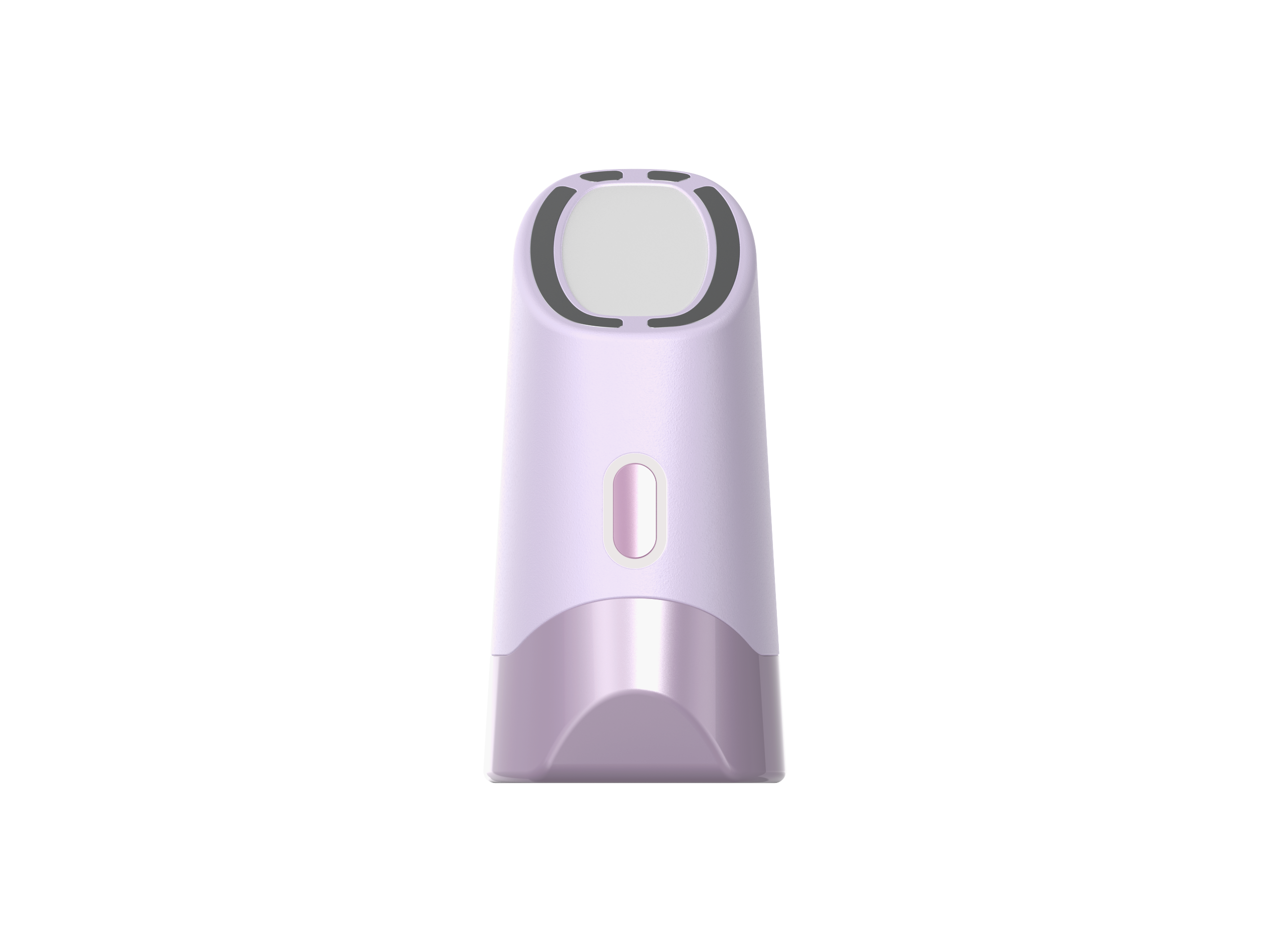
Microcurrent has become a familiar term in at-home anti-aging devices, but it is often explained as if one treatment can “lift” everything at once. A more useful view is simpler: microcurrent is a low-level electrical stimulation technology intended to support the appearance of facial tone and contour as part of a consistent skin care routine. It does not replace sunscreen, topical care, sleep, or clinical advice. It is one tool in a wider skin care plan.
From a professional skin-management perspective, the important question is not whether a device has an impressive feature list. It is whether the technology is appropriate for the user, comfortable enough to use consistently, and described with realistic expectations. That distinction matters because a temporary post-treatment look and a durable anti-aging result are not the same thing.
Microcurrent devices deliver very small electrical currents through conductive areas of the face. The treatment head and a conductive gel or serum complete the contact pathway, allowing the device to glide while helping distribute the current. In facial skin care, manufacturers generally position microcurrent around three visible goals: a temporarily refreshed look, the appearance of better facial definition, and support for a regular anti-aging routine.
It helps to think of microcurrent as a quiet signal rather than a forceful workout. The sensation may be minimal, although some users notice light tingling or a brief twitch. The intended interaction is with superficial facial tissues and muscles, not a substitute for surgery, injectable treatments, or treatment of a medical condition. Skin care claims should remain within that boundary.
Facial aging is not one single change. It can involve shifts in hydration, texture, pigmentation, expression lines, and the way soft tissue sits on the face. Microcurrent is most commonly discussed in relation to the last category: the appearance of tone and contour. When a user sees a slightly less puffy or more defined look after a session, that immediate response may be useful for a skin care ritual, but it should not be framed as permanent structural change.
Evidence in this area is still developing and protocols differ. One review of home facial-rejuvenation devices summarized a 12-week neuromuscular electrical stimulation study performed five times a week. Participants in that specific protocol showed improved radiance, skin tone, and wrinkle measures versus a control group, while some experienced slight redness. That is encouraging context, not a guarantee for every microcurrent device, every face, or every home routine. The schedule, device settings, user technique, and study design all matter.
In other words, microcurrent may complement skin care aimed at a fresher, more toned appearance. However, it should not be sold as a way to erase wrinkles, rebuild lost volume, or deliver medical outcomes. A sensible product page and a sensible skin care conversation both make that distinction clear.
Microcurrent is most useful when its role is specific. Daily skin care still starts with gentle cleansing, hydration appropriate to the skin type, and broad-spectrum sun protection during the day. The device session belongs after cleansing and before finishing the routine, following the manufacturer’s directions for conductive media and compatible products.
This approach shifts the focus from chasing an instant effect to building repeatable habits. For many people, that is the more valuable role of a home skin care device.
For brands and buyers, microcurrent is not just a feature checkbox. The usable experience depends on electrode shape, contact area, intensity options, ergonomics, charging reliability, instructions, and the conductive product recommendation. More modes do not automatically mean a better skin care experience; a clear routine and comfortable handling can matter more.
It is also worth separating device capability from marketing language. Claims such as “supports the appearance of facial tone” are easier to place responsibly than promises of a facelift or certain wrinkle removal. Brands developing home beauty equipment should validate product claims, give clear use instructions, and review market-specific compliance requirements before launch. For suppliers working across home beauty technologies, including EMS-related categories, product development should pair functional design with conservative, evidence-aware communication rather than exaggerated promises.
A microcurrent device is not suitable for every skin care user. People with implanted electronic devices, certain heart conditions, pregnancy-related restrictions, recent facial procedures, unexplained skin irritation, or a medical condition affecting treatment suitability should check with an appropriately qualified healthcare professional before use. The device manual is the first source for product-specific contraindications and placement rules.
Even for an eligible user, comfort is useful feedback. Stop the session if there is persistent pain, marked irritation, or an unexpected reaction, and do not use a device over broken skin unless its instructions explicitly allow it. A low-intensity device can still be used poorly if the conductive medium, movement pattern, or frequency is wrong.
Microcurrent is more realistically viewed as a supportive, non-invasive addition to skin care—not a stand-alone anti-aging solution. Some users value the ritual, temporary refreshed appearance, and sense of better facial tone after regular use. Others may see subtle or inconsistent changes. Results can vary with age, baseline skin condition, facial anatomy, routine adherence, and the device itself.
That may sound less dramatic than a “before and after” promise, but it is the useful standard. Choose a device with clear instructions, sensible intensity control, and claims that match the evidence. Use it consistently only if it fits the person’s skin care routine and safety profile. Then assess it over weeks, not minutes.
Microcurrent can play a practical role in anti-aging skin care devices by supporting the appearance of facial tone and contour within a broader routine. Its value is strongest when expectations are measured, technique is consistent, and safety guidance is followed. Good skin care is cumulative: daily protection and topical care create the foundation, while a well-designed microcurrent device may be a useful supporting step for the right user.

2026/10/30
Discover why in-house mold development helps an RF beauty device manufacturer improve product consistency, iteration speed, tooling control, and production readiness.

2026/10/30
Learn how to verify an RF beauty device manufacturer's R&D and prototyping capabilities using practical engineering workflows and audit checklists.

2026/10/30
Learn what shapes MOQ when choosing an RF beauty device manufacturer and how to plan a lower-risk first order with balanced platform and customization.

2026/10/30
Use this RF beauty device manufacturer evaluation checklist to compare safety evidence, OEM and ODM capability, quality control, and launch readiness.

2026/10/30
See how technology makes beauty at home more guided, consistent, and informed—plus a practical checklist for choosing devices wisely.

2026/10/30
Explore how AI and smart devices shape the future of beauty with responsive routines, clear guidance, trustworthy design, and user-controlled care.

Ideal for daily facial care routines, providing easy-to-use beauty solutions at home.

Perfect for spas and salons’ frequent treatments, enhancing client experiences and results.

Supports dermatologists with advanced devices for professional skin therapy sessions.

Delivers innovative solutions for full-body massage and relaxation with home devices.

Features anti-aging technologies to help reduce wrinkles and stimulate skin vitality.

Specialized devices for safe and effective hair removal suitable for home or clinic use.

Our customers love the Perfect Idea beauty devices. Quality, packaging, and results are all outstanding. We saw increased repeat sales after adding their facial cleansers to our lineup. Their support team is responsive and reliable.

Perfect Idea brings innovation and reliability to home beauty appliances. Our collaboration introduced their massage tools to Japanese women, boosting customer satisfaction and growing our brand trust across the region.

We partnered with Shenzhen Perfect Idea Tech for their beauty equipment. The shipping was fast and every product matched our expectations. Their home-use massagers are especially popular with local salons and home users.

The stylish packaging and attractive design make Perfect Idea stand out. French consumers appreciate the easy instructions and visible results. Communication was efficient and orders always arrived on time.

Perfect Idea home use personal care devices have become a favorite with our clients. The beauty device line offers quality at a reasonable price, and technical training for our staff made onboarding easy.

We selected Perfect Idea for our beauty product portfolio and have seen very positive feedback from our customers. Products are easy to market online and the customer support is reliable and helpful.
