 EN
Home Skincare
Ideal for daily facial care routines, providing easy-to-use beauty solutions at home.

2026/09/20
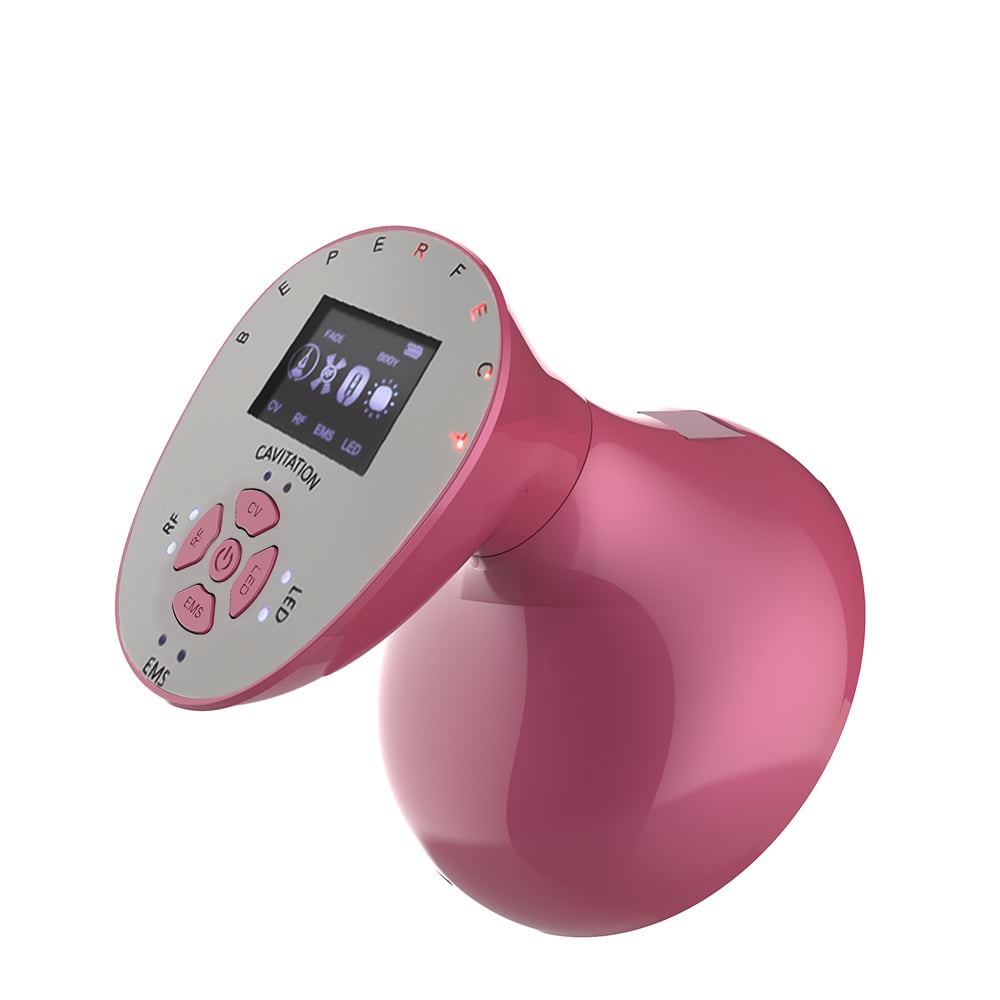
A microdermabrasion device can make exfoliation feel more deliberate than using a scrub, but the label covers two very different settings: a clinic treatment performed by a trained professional and a compact tool intended for careful home maintenance. They share a basic goal—lifting surface debris and dull, dead skin cells—but they differ in intensity, control, hygiene workflow, and the support available if skin reacts.
As a technical advisor for home beauty-device selection, I start with the use goal rather than the most impressive-looking specification. A professional treatment is not automatically the right answer for every person, and a home tool is not a replacement for every clinical situation. The useful question is: what level of exfoliation, guidance, and recovery time fits the skin and routine in front of you?
Professional equipment is generally designed for trained operators in salons, spas, or clinical settings. It may use diamond tips or crystal-based abrasion paired with suction, and the operator can assess the skin, choose attachments, and adapt the treatment as they work. Home devices are designed around a more conservative, repeatable experience. They typically offer fewer settings, smaller contact areas, and instructions intended to limit the chance of overworking one spot.
That distinction matters more than a long feature list. A home microdermabrasion device is generally understood as occasional surface-exfoliation support; a professional session is a service with higher operational control and in-person judgment.
| Decision area | Professional device and treatment | Home device |
|---|---|---|
| Intensity and controls | Broader adjustment range and operator-controlled technique. | Conservative settings intended for self-use. |
| Skin assessment | Operator can inspect the area and change the approach during treatment. | User must screen their own skin and follow the manual. |
| Coverage | Can be managed systematically across larger facial areas. | Usually works in smaller passes and requires patience. |
| Hygiene workflow | Professional cleaning, consumables, and procedure routines are part of the service. | Owner is responsible for cleaning tips and following replacement guidance. |
| Suitable use | People seeking supervised treatment or advice about suitability. | People with tolerant skin who want a modest, consistent maintenance step. |
A professional microdermabrasion device often gives the operator more ways to manage suction, abrasion head selection, and passes over the skin. That does not mean more force is automatically better. It means the treatment can be adjusted with technique and observation. In a home microdermabrasion device, a safer design priority is predictable handling: clear settings, a comfortable grip, a manageable treatment head, and instructions that discourage repeated passes.
People often compare only suction or the number of tips. More accurately, the experience depends on the combination of contact pressure, how long the head stays in one area, the skin’s condition that day, and what is applied before and after. If a device feels difficult to guide or makes it tempting to revisit the same patch, that usability issue can matter more than a headline specification.
The meaningful advantage of treatment with a professional microdermabrasion device is the operator’s ability to pause, modify technique, or suggest that the treatment is not appropriate at that time. This is especially relevant when there is active irritation, an open area, a recent procedure, or uncertainty about a skin condition. A home microdermabrasion device by itself cannot make those calls.
Authoritative dermatology guidance notes that temporary pinkness or redness and slight swelling can occur after microdermabrasion. Bruising, burning, stinging, and increased sun sensitivity are also possible. People who scar easily, have a changing or bleeding spot, or have used isotretinoin recently should seek professional medical guidance rather than treating a home tool as a routine beauty accessory.
With a home microdermabrasion device, success usually looks understated: skin feels smoother, makeup applies more evenly, and the routine remains comfortable enough to repeat when appropriate. It should not look like aggressively polished skin. If the skin barrier is compromised, there is peeling, or there is unusual sensitivity, it is sensible to pause and get individualized advice rather than increase frequency.
A practical home workflow is simple:
Choose a professional service when you value supervised assessment, want help setting treatment expectations, or have skin concerns that make self-treatment a poor first step. Choose a home microdermabrasion device when your goal is modest maintenance, you can follow a conservative routine, and your skin is currently calm and suitable for exfoliation.
For beauty brands and buyers evaluating home devices, the better design question is not “How close can this feel to a clinic?” It is “Can a user understand the controls, keep the tool hygienic, and use it without chasing intensity?” A thoughtfully designed home tool should support repeatable care, not invite users to turn a maintenance routine into a procedure.
Before choosing a microdermabrasion device, identify who will operate it and where it will be used. A professional microdermabrasion device belongs in a workflow with training, sanitation practices, and treatment judgment. A home microdermabrasion device belongs in a routine built around gentle, infrequent use.
When comparing a microdermabrasion device, look beyond the tip count. The handling of a microdermabrasion device affects whether a user can keep moving rather than linger on one area. Cleaning requirements for a microdermabrasion device also deserve attention, because a reusable tip needs the care specified by its manufacturer.
Ask whether the microdermabrasion device offers a beginner-appropriate setting and understandable instructions. For a home microdermabrasion device, conservative settings are a feature, not a limitation. For a professional microdermabrasion device, adjustment range should be paired with operator knowledge.
Do not use a microdermabrasion device to push through irritation. If a microdermabrasion device leaves persistent discomfort or a strong reaction, stop using it and obtain appropriate advice. The right microdermabrasion device is the one whose intended setting, controls, and care routine match the user.
A professional microdermabrasion device and a home microdermabrasion device work on the same broad exfoliation principle, but their responsibilities are different. Professional equipment is part of a supervised service with greater flexibility and real-time judgment. Home tools are for cautious, lower-intensity upkeep. Match the choice to your skin condition, tolerance, and comfort with the process—and when there is doubt, choose assessment over intensity.

2026/10/30
Discover why in-house mold development helps an RF beauty device manufacturer improve product consistency, iteration speed, tooling control, and production readiness.

2026/10/30
Learn how to verify an RF beauty device manufacturer's R&D and prototyping capabilities using practical engineering workflows and audit checklists.

2026/10/30
Learn what shapes MOQ when choosing an RF beauty device manufacturer and how to plan a lower-risk first order with balanced platform and customization.

2026/10/30
Use this RF beauty device manufacturer evaluation checklist to compare safety evidence, OEM and ODM capability, quality control, and launch readiness.

2026/10/30
See how technology makes beauty at home more guided, consistent, and informed—plus a practical checklist for choosing devices wisely.

2026/10/30
Explore how AI and smart devices shape the future of beauty with responsive routines, clear guidance, trustworthy design, and user-controlled care.

Ideal for daily facial care routines, providing easy-to-use beauty solutions at home.

Perfect for spas and salons’ frequent treatments, enhancing client experiences and results.

Supports dermatologists with advanced devices for professional skin therapy sessions.

Delivers innovative solutions for full-body massage and relaxation with home devices.

Features anti-aging technologies to help reduce wrinkles and stimulate skin vitality.

Specialized devices for safe and effective hair removal suitable for home or clinic use.

Our customers love the Perfect Idea beauty devices. Quality, packaging, and results are all outstanding. We saw increased repeat sales after adding their facial cleansers to our lineup. Their support team is responsive and reliable.

Perfect Idea brings innovation and reliability to home beauty appliances. Our collaboration introduced their massage tools to Japanese women, boosting customer satisfaction and growing our brand trust across the region.

We partnered with Shenzhen Perfect Idea Tech for their beauty equipment. The shipping was fast and every product matched our expectations. Their home-use massagers are especially popular with local salons and home users.

The stylish packaging and attractive design make Perfect Idea stand out. French consumers appreciate the easy instructions and visible results. Communication was efficient and orders always arrived on time.

Perfect Idea home use personal care devices have become a favorite with our clients. The beauty device line offers quality at a reasonable price, and technical training for our staff made onboarding easy.

We selected Perfect Idea for our beauty product portfolio and have seen very positive feedback from our customers. Products are easy to market online and the customer support is reliable and helpful.
