 EN
Home Skincare
Ideal for daily facial care routines, providing easy-to-use beauty solutions at home.

2026/10/24
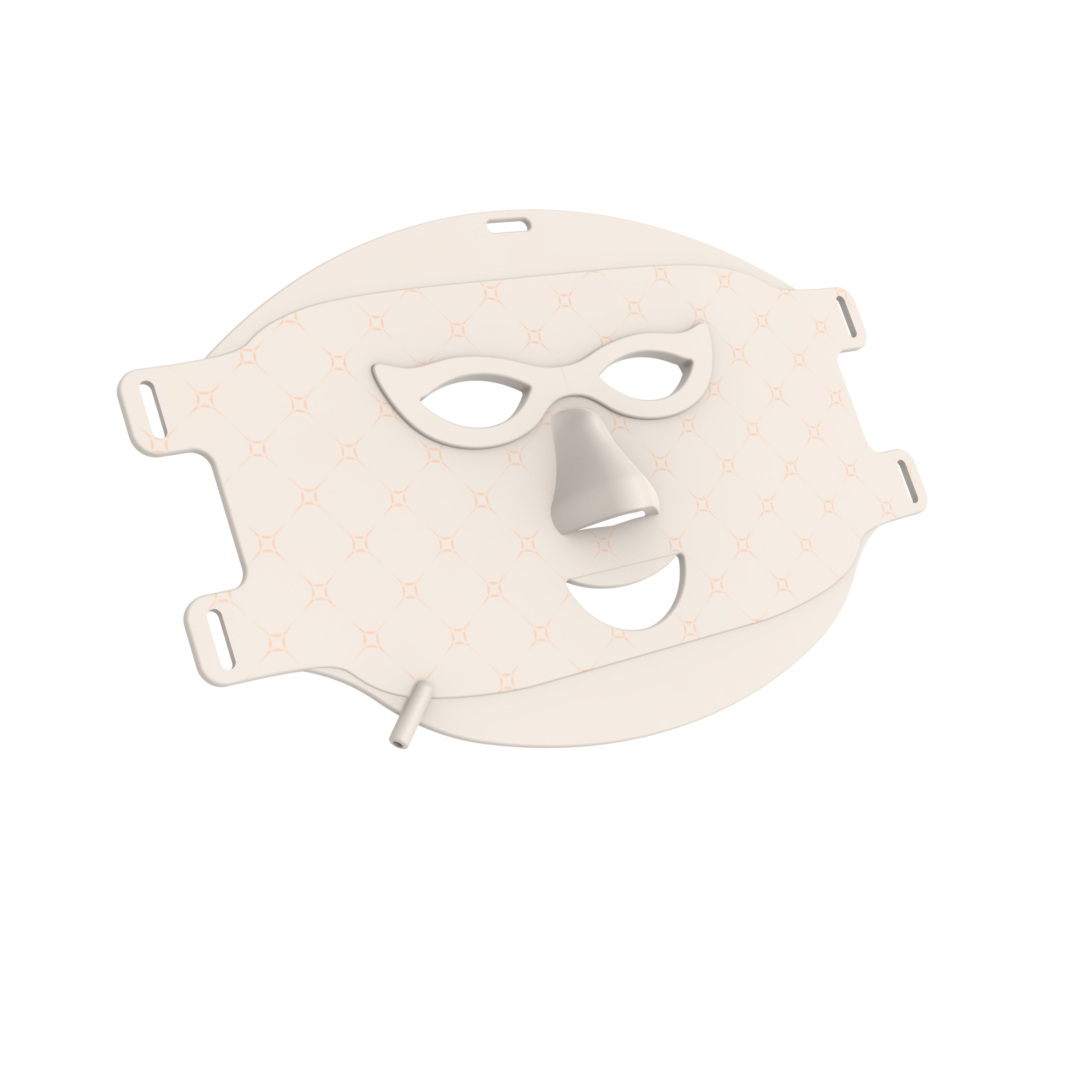
A led mask can look deceptively simple: put it on, press a button, and wait. What matters more is what the device is actually designed to deliver. A multi-wavelength led mask combines more than one band of light so a routine can be tailored to several skin concerns rather than one narrow goal. For people comparing devices, that can mean a more versatile at-home option—but it does not mean every color, setting, or claim is equally useful.
As a technical adviser who compares home beauty devices, I start with repeatable use rather than a long list of modes. A well-designed multi wavelength led mask should make it easy to understand which setting fits a goal, use it consistently, and keep expectations realistic. LED therapy is not a replacement for diagnosis or treatment from a dermatologist, especially for persistent acne, pigmentation changes, photosensitivity, or a skin condition.
Light wavelengths interact with skin differently. In consumer skincare, blue, red, and near-infrared (NIR) are commonly discussed because they are associated with different research questions. Blue light is often considered in acne-focused routines. Red light is commonly used in photobiomodulation discussions about skin appearance and inflammatory balance. Near-infrared light is invisible and is generally described as reaching deeper than visible red light.
The potential benefit of a multi-wavelength design is not that it “does everything” at once. It is that a user can choose a relevant protocol or a manufacturer can build a more flexible routine around distinct objectives. Published discussions of combined 415 nm blue and 633 nm red light, for example, examine complementary roles in mild-to-moderate acne research. Reviews of red and NIR photobiomodulation also discuss combined use in skin-rejuvenation research. Those findings support careful product evaluation; they do not guarantee the same result from every home device or for every person.
Skin priorities can change. Someone may be managing occasional blemishes one month and focusing on a dull-looking complexion or the appearance of fine lines the next. A led mask for skin rejuvenation that includes red and, where appropriate, NIR settings may suit the latter goal, while a blue-light setting may be relevant to an acne-oriented routine. That flexibility can reduce the need to own separate single-wavelength devices.
There is an important boundary: use the protocol supplied for the specific device. More colors or longer sessions are not automatically better. The value comes from relevant wavelengths, sensible irradiance, safe exposure timing, and a routine you can sustain.
For many users, the practical win is simply sticking with the routine. A hands-free led mask can make a short session easier to fit around an evening skincare routine than a treatment that requires continuous hand-held positioning. Regular use matters because visible cosmetic changes, when they occur, are usually gradual. It is better to follow a conservative schedule for several weeks than to chase an immediate change with excessive exposure.
Earlier, it was easy to assume that more functions automatically meant more value. In practice, a device with fewer, clearly explained programs may be more useful than one with modes that are difficult to distinguish or use safely. Comfort, fit, eye protection, and a timer are practical details that influence whether a led mask becomes a real habit.
Blue and red light are often paired in acne-related research because they are discussed through different mechanisms. Blue-light research commonly addresses interactions with acne-associated bacteria, while red light is often discussed in relation to inflammatory processes. A multi-wavelength led mask may therefore offer a structured adjunct to a gentle, dermatologist-informed acne routine.
The distinction is important: it can be an adjunct, not a cure. Active cystic acne, painful lesions, scarring, and skin reactions deserve clinical guidance. Avoid using a led mask over irritated, broken, or recently sensitized skin unless a qualified professional says it is appropriate.
Red and near-infrared wavelengths are frequently discussed in research on photobiomodulation, cellular signaling, and the appearance of skin texture. A led mask for dark spots should not be presented as a certain pigment treatment, but a broader light-based routine may be of interest to people whose goal is a more even-looking, refreshed complexion. Daily sun protection remains essential; without it, any cosmetic routine for uneven tone is working against ongoing UV exposure.
If your skin barrier is healthy, a gentle and consistent schedule may be reasonable. If you are experiencing peeling, active dermatitis, unusual redness, or a recent procedure, pause and ask a clinician when it is safe to restart. Photosensitizing medicines and certain medical conditions can change what is appropriate.
Do not choose solely by the number of colors. Ask for the information that makes a light device assessable:
For a multi wavelength led mask, these details are more meaningful than a long color list. A sensible selection has settings, instructions, and safety boundaries that are clear enough to use consistently.
A multi-wavelength led mask is most useful as part of a measured routine: gentle cleansing, suitable moisturization, and daytime sunscreen still do most of the everyday work. The mask can be a useful tool, but it should not carry the entire promise of skincare.
Expect gradual, variable changes rather than a dramatic overnight transformation. Some people value a more consistent routine and a temporarily calmer-looking complexion; others may see limited change. Skin type, concern severity, device output, fit, session consistency, and the rest of the routine all affect the experience. Many people stop after two weeks because they have not seen a major difference, but the more realistic value of a led mask lies in steady use over time—not a one-session result.
If the goal is medical acne management, treatment of melasma, or recovery after a procedure, ask a dermatologist whether at-home LED therapy fits your plan. A professional can also help you avoid combinations that could worsen irritation or conflict with medication.
The main benefit of a multi-wavelength led mask is flexibility: it can bring different light-based approaches into one simple, repeatable skincare tool. Blue, red, and near-infrared settings may support different goals, but the quality of the device, clear protocols, safe use, and realistic expectations matter more than the number of modes. Choose a mask that explains its wavelengths and safety guidance clearly, use it consistently, and treat it as a complement to—not a substitute for—sound skincare and professional care when needed.

2026/10/30
Discover why in-house mold development helps an RF beauty device manufacturer improve product consistency, iteration speed, tooling control, and production readiness.

2026/10/30
Learn how to verify an RF beauty device manufacturer's R&D and prototyping capabilities using practical engineering workflows and audit checklists.

2026/10/30
Learn what shapes MOQ when choosing an RF beauty device manufacturer and how to plan a lower-risk first order with balanced platform and customization.

2026/10/30
Use this RF beauty device manufacturer evaluation checklist to compare safety evidence, OEM and ODM capability, quality control, and launch readiness.

2026/10/30
See how technology makes beauty at home more guided, consistent, and informed—plus a practical checklist for choosing devices wisely.

2026/10/30
Explore how AI and smart devices shape the future of beauty with responsive routines, clear guidance, trustworthy design, and user-controlled care.

Ideal for daily facial care routines, providing easy-to-use beauty solutions at home.

Perfect for spas and salons’ frequent treatments, enhancing client experiences and results.

Supports dermatologists with advanced devices for professional skin therapy sessions.

Delivers innovative solutions for full-body massage and relaxation with home devices.

Features anti-aging technologies to help reduce wrinkles and stimulate skin vitality.

Specialized devices for safe and effective hair removal suitable for home or clinic use.

Our customers love the Perfect Idea beauty devices. Quality, packaging, and results are all outstanding. We saw increased repeat sales after adding their facial cleansers to our lineup. Their support team is responsive and reliable.

Perfect Idea brings innovation and reliability to home beauty appliances. Our collaboration introduced their massage tools to Japanese women, boosting customer satisfaction and growing our brand trust across the region.

We partnered with Shenzhen Perfect Idea Tech for their beauty equipment. The shipping was fast and every product matched our expectations. Their home-use massagers are especially popular with local salons and home users.

The stylish packaging and attractive design make Perfect Idea stand out. French consumers appreciate the easy instructions and visible results. Communication was efficient and orders always arrived on time.

Perfect Idea home use personal care devices have become a favorite with our clients. The beauty device line offers quality at a reasonable price, and technical training for our staff made onboarding easy.

We selected Perfect Idea for our beauty product portfolio and have seen very positive feedback from our customers. Products are easy to market online and the customer support is reliable and helpful.
