 EN
Home Skincare
Ideal for daily facial care routines, providing easy-to-use beauty solutions at home.

2026/10/27
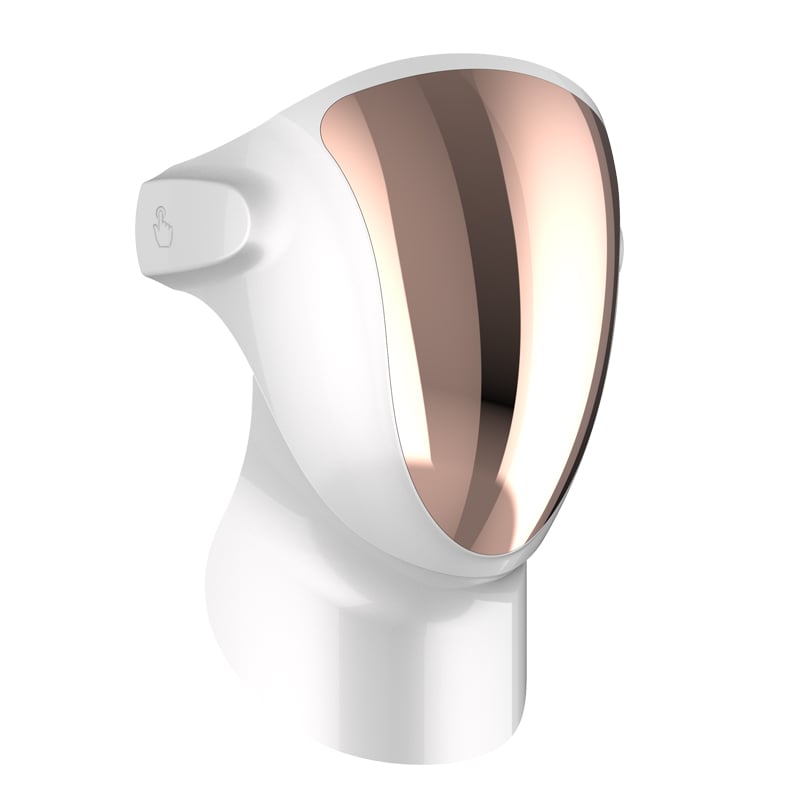
For a skincare brand, selecting a silicone LED mask is not simply a matter of choosing the longest feature list. The better question is whether the device can be sampled, validated, positioned, and supported as a coherent product program. As an OEM/ODM brand-development team would assess it, a the product must balance wearability, light-delivery design, safety evidence, claims discipline, and production control.
This guide turns that broad decision into a practical process. It is written for brands preparing a launch, refreshing a home-device range, or comparing manufacturing partners. It does not assume that more modes, more LEDs, or a higher headline specification automatically makes a better product.
Before comparing silicone LED mask samples, define the customer, routine, and market you intend to serve. A silicone LED mask for a first-time at-home user may need a different fit, interface, care instruction, and education plan from one developed for an established beauty-device audience. Write a one-page brief that answers four questions: which concerns the brand may discuss, how long a session should feel manageable, where the product will be sold, and which proof points the marketing team expects to substantiate.
This step avoids a common development mistake: choosing a device with impressive-looking options and then trying to invent a relevant customer experience around it. Features should support the intended routine. They should not become the strategy.
The material is only one part of silicone LED mask comfort. When evaluating a candidate, inspect how the mask follows facial contours, how pressure is distributed around the nose and temples, whether the eye area feels appropriately considered, and whether straps remain stable without pulling hair. Ask the supplier to explain the material specification, molding approach, thickness consistency, odor-control process, cleaning guidance, and batch-to-batch inspection method.
Fit should be checked across a varied internal test panel. A sample that feels comfortable in a brief desk review may shift, crease, or create pressure points during a realistic session. Record what happens when users sit upright, recline, wear the device with clean dry skin, and adjust the fastening system. For this type of wearable device, repeatable comfort is a design requirement, not a cosmetic extra.
Brands should request a plain-language technical pack for a silicone LED mask candidate for every candidate under consideration. It should identify the light sources, intended operating modes, control logic, power arrangement, and relevant test documentation. The purpose is not to turn brand teams into engineers; it is to make sure marketing, regulatory, product, and supplier teams are reviewing the same product definition.
Ask how the supplier verifies consistency of the light system across production. Ask what measurement method is used, which operating condition is represented, and whether a change in mask geometry affects the result. The answer should be documented and understandable enough for your internal approval process. The wearable device should be assessed as a complete system, rather than as an isolated LED count.
Optical-safety evaluation is another silicone LED mask due-diligence topic. IEC 62471 is a recognized framework for evaluating photobiological safety of lamps and lamp systems, including LEDs; applicability and testing requirements depend on the device, market, and intended use. Request applicable evidence from the supplier and have it reviewed for your launch markets. Do not convert a test reference into a broad safety, medical, or performance claim without appropriate review.
A candidate silicone LED mask can be technically appealing yet still create launch friction if its documentation does not support the planned labeling and claims. Create a market-by-market checklist early. It should cover product classification, labeling, instructions, electrical and material documentation, packaging language, traceability, and advertising review. Requirements can vary with intended use and jurisdiction.
For example, public FDA records include 510(k) listings for LED facial light-therapy masks, but that does not make every similar product cleared or suitable for the same claims. Treat any clearance, registration, certification, or test statement as device-specific and market-specific. Your legal and regulatory reviewers should confirm what the selected device may say before packaging artwork or campaign copy is approved.
Use the same scorecard for each candidate silicone LED mask. Weight the categories according to the product brief rather than allowing the supplier presentation to set the agenda.
Give each category a defined scoring rule and add comments, not just numbers. If two samples are close, the better silicone LED mask is often the one with clearer evidence, fewer unresolved assumptions, and a more reliable path to repeat production.
The silicone LED mask sample is an important gate, but it is not the whole decision. Ask the supplier how the approved design moves from approved sample to production. Review the bill-of-materials change process, incoming-material controls, in-process checks, final inspection, packaging verification, complaint handling, and corrective-action workflow. Clarify who approves changes to silicone, LEDs, control components, artwork, or instructions.
Brands also benefit from a launch-risk conversation: what happens if a component changes, a cosmetic defect rate rises, or an export document is delayed? A supplier that can answer these questions transparently helps the brand plan responsibly. This is especially important when multiple stakeholders—product, sourcing, marketing, quality, and regulatory—must sign off on the product.
A practical silicone LED mask sequence is brief, documentation review, sample evaluation, revision request, pilot or pre-production review, and final release. At each gate, capture open questions and assign an owner. Do not let a promising first sample erase unresolved fit, claims, or quality-control questions. A disciplined sequence makes the selection decision easier to explain internally and easier to repeat for the next product line.
Before approval, confirm that your chosen silicone LED mask aligns with the target user and routine; has been worn and reviewed by a relevant test group; has a documented technical and quality package; supports only claims your team can substantiate; has market-specific compliance work assigned; and has a controlled sample-to-production plan. If an answer is still uncertain, keep it as a release condition rather than an informal assumption.
The strongest program is not necessarily the one that looks most complex in a sales presentation. It is the one whose product experience, documentation, claims, and manufacturing controls remain aligned from the first sample through the customer’s repeat use.

2026/10/30
Discover why in-house mold development helps an RF beauty device manufacturer improve product consistency, iteration speed, tooling control, and production readiness.

2026/10/30
Learn how to verify an RF beauty device manufacturer's R&D and prototyping capabilities using practical engineering workflows and audit checklists.

2026/10/30
Learn what shapes MOQ when choosing an RF beauty device manufacturer and how to plan a lower-risk first order with balanced platform and customization.

2026/10/30
Use this RF beauty device manufacturer evaluation checklist to compare safety evidence, OEM and ODM capability, quality control, and launch readiness.

2026/10/30
See how technology makes beauty at home more guided, consistent, and informed—plus a practical checklist for choosing devices wisely.

2026/10/30
Explore how AI and smart devices shape the future of beauty with responsive routines, clear guidance, trustworthy design, and user-controlled care.

Ideal for daily facial care routines, providing easy-to-use beauty solutions at home.

Perfect for spas and salons’ frequent treatments, enhancing client experiences and results.

Supports dermatologists with advanced devices for professional skin therapy sessions.

Delivers innovative solutions for full-body massage and relaxation with home devices.

Features anti-aging technologies to help reduce wrinkles and stimulate skin vitality.

Specialized devices for safe and effective hair removal suitable for home or clinic use.

Our customers love the Perfect Idea beauty devices. Quality, packaging, and results are all outstanding. We saw increased repeat sales after adding their facial cleansers to our lineup. Their support team is responsive and reliable.

Perfect Idea brings innovation and reliability to home beauty appliances. Our collaboration introduced their massage tools to Japanese women, boosting customer satisfaction and growing our brand trust across the region.

We partnered with Shenzhen Perfect Idea Tech for their beauty equipment. The shipping was fast and every product matched our expectations. Their home-use massagers are especially popular with local salons and home users.

The stylish packaging and attractive design make Perfect Idea stand out. French consumers appreciate the easy instructions and visible results. Communication was efficient and orders always arrived on time.

Perfect Idea home use personal care devices have become a favorite with our clients. The beauty device line offers quality at a reasonable price, and technical training for our staff made onboarding easy.

We selected Perfect Idea for our beauty product portfolio and have seen very positive feedback from our customers. Products are easy to market online and the customer support is reliable and helpful.
