 EN
Home Skincare
Ideal for daily facial care routines, providing easy-to-use beauty solutions at home.

2026/09/12
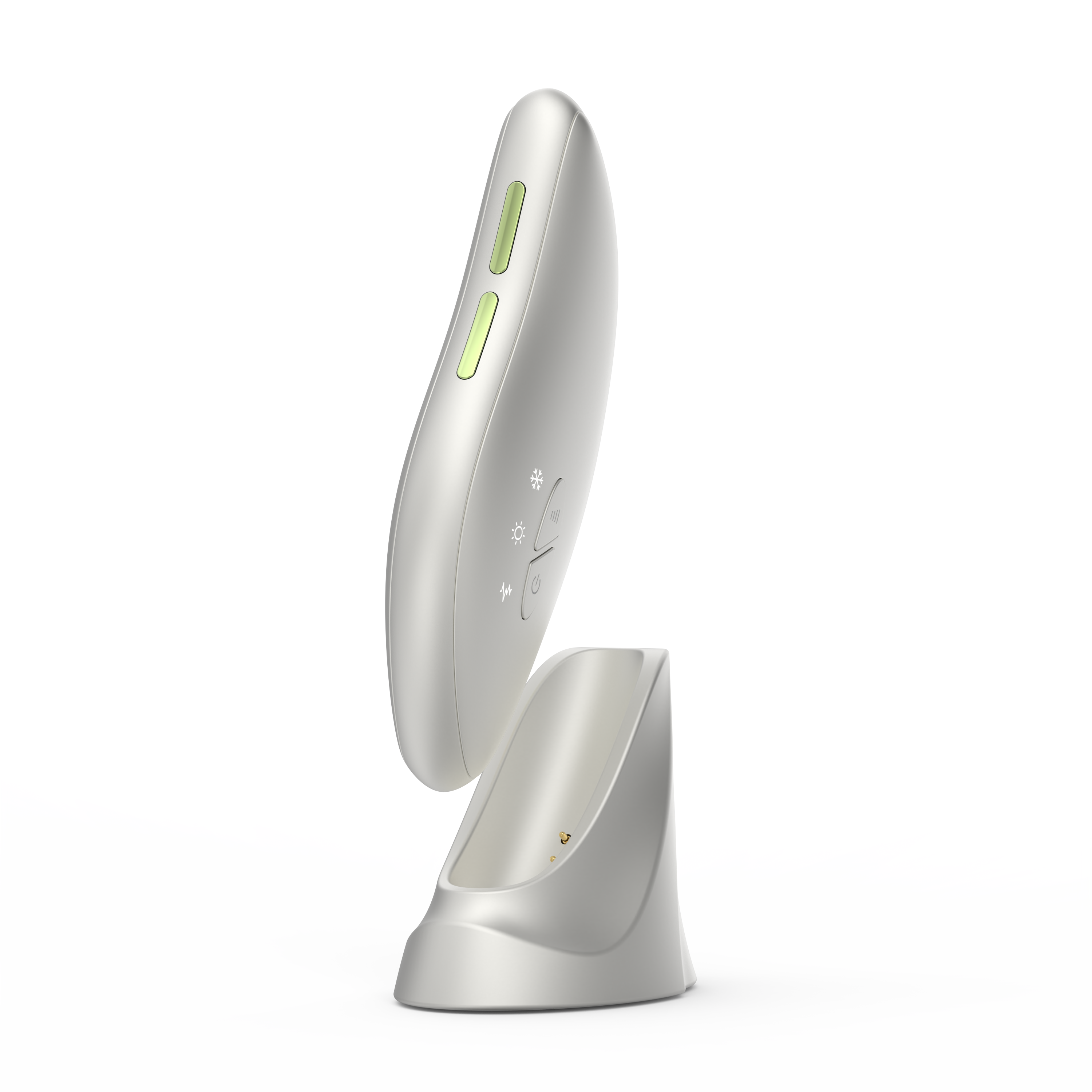
When people first come across a handheld facial device that claims to deliver both sonic vibration and LED light therapy in a single tool, a practical question arises: can two fundamentally different technologies actually work together, and is there a scientific case for combining them? From a professional skin care standpoint, the answer is yes — and the combination reflects genuine engineering thinking rather than feature stacking for marketing purposes.
To understand how a handheld facial device operates in this dual-technology format, it helps to examine what each component does independently before looking at what happens when they run together.
A sonic facial cleansing device uses high-frequency oscillations — typically in the range of 6,000 to 12,000 micro-vibrations per minute — to create a gentle but effective mechanical action on the skin surface and the tissue just beneath it. Think of it like the difference between tapping a surface by hand and pressing a vibrating tuning fork against it: the sonic energy transmits through the contact point and creates movement at a microscopic level that manual pressure cannot replicate.
In practice, sonic vibration in a handheld facial device accomplishes several things. At the surface level, it loosens the temporary bonds between dead skin cells, supporting natural cell turnover without physical scrubbing. Deeper in the tissue, the vibration stimulates blood microcirculation, bringing fresh oxygen and nutrients closer to active skin cells. It also generates a mild warmth through friction, which softens the skin and increases its receptivity to active ingredients applied during or after the session.
For skin with a healthy, well-hydrated barrier, this level of stimulation is generally tolerated well on a daily basis. For skin managing a compromised barrier or active sensitivity, limiting sonic vibration sessions to two or three times per week gives tissue adequate time to recover.
The LED therapy device component in a combined handheld unit operates on an entirely different mechanism. Sonic vibration acts through physical energy; LED light therapy, also known as photobiomodulation, uses photon energy to trigger biological responses inside skin cells.
The wavelength of the light determines both what happens and how deep the effect reaches. Red light at approximately 630–660 nm is absorbed primarily in the upper dermal layers. At this depth, it stimulates fibroblast activity, driving collagen and elastin production. This makes red light the reliable wavelength for addressing fine lines, improving tone evenness, and supporting skin renewal over time. A handheld red light therapy device delivering consistent exposure at the right wavelength can support collagen synthesis meaningfully over several weeks of regular use.
Near-infrared (NIR) light at around 830–850 nm reaches further into the dermis and subcutaneous tissue, where it enhances microcirculation, modulates inflammation, and supports deeper tissue repair. Research has shown that combining red and near-infrared wavelengths delivers synergistic benefits, enhancing collagen density and reducing inflammation more effectively than either wavelength used alone. This layered wavelength approach separates a capable multi-wavelength LED therapy device from simpler single-color options.
Blue light at approximately 415 nm stays at the epidermal surface, where it disrupts the cellular membrane of acne-causing bacteria through porphyrin-mediated phototoxicity. For anyone managing breakout-prone skin, a handheld facial device that includes blue light alongside red covers a meaningful span of treatment needs within one tool.
The case for combining these two technologies in a single handheld facial device rests on what sonic vibration does to the skin just before or during LED exposure. This is where the combination delivers results that neither technology achieves independently.
Sonic vibration increases blood flow and skin temperature at the treatment site. Warmed, better-perfused tissue is more metabolically active, and metabolically active cells respond more efficiently to photon stimulation. The same photon dose from an LED therapy device produces a stronger cellular response when the tissue receiving it has already been primed through circulatory activation. The mechanism is physiological, not promotional: it comes down to cellular receptivity.
Sonic vibration also temporarily loosens the tight-packing of cells in the outermost skin layers, creating a window of enhanced permeability. This is the same reason that applying a serum immediately after using a sonic facial cleansing device results in noticeably better absorption. When LED light follows sonic vibration in the same session, photons encounter reduced surface-layer resistance before reaching their target cells in the dermis.
A well-designed handheld facial device sequences these technologies in a fixed order: sonic vibration prepares the skin, LED therapy treats the primed tissue. Some devices alternate modes within a single cycle; others allow users to switch manually based on how their skin responds that day.
From a skin management perspective, a multi-technology handheld facial device produces consistent results when used correctly and regularly. Several practical points help with that:
It is also worth separating two distinct effects: the immediate sensation after a session — warmth and a brief tightening feeling — is a real physiological response to the combined stimulation. The cumulative improvement that develops over four to eight weeks of consistent use is a separate thing. Assessing the actual value of a handheld red light therapy device or any combined-technology tool requires looking at results over time, not after a single session.
A handheld facial device that integrates sonic vibration and LED therapy is built around a coherent technical logic. Sonic vibration prepares the skin through mechanical and circulatory stimulation; LED light therapy acts at the cellular level through targeted photon delivery. When sequenced correctly, each technology supports the conditions under which the other operates. For anyone building a consistent at-home skin care routine, understanding this mechanism makes it possible to use the device with clear intent — and to hold realistic expectations about what sustained use can deliver.

2026/10/30
Discover why in-house mold development helps an RF beauty device manufacturer improve product consistency, iteration speed, tooling control, and production readiness.

2026/10/30
Learn how to verify an RF beauty device manufacturer's R&D and prototyping capabilities using practical engineering workflows and audit checklists.

2026/10/30
Learn what shapes MOQ when choosing an RF beauty device manufacturer and how to plan a lower-risk first order with balanced platform and customization.

2026/10/30
Use this RF beauty device manufacturer evaluation checklist to compare safety evidence, OEM and ODM capability, quality control, and launch readiness.

2026/10/30
See how technology makes beauty at home more guided, consistent, and informed—plus a practical checklist for choosing devices wisely.

2026/10/30
Explore how AI and smart devices shape the future of beauty with responsive routines, clear guidance, trustworthy design, and user-controlled care.

Ideal for daily facial care routines, providing easy-to-use beauty solutions at home.

Perfect for spas and salons’ frequent treatments, enhancing client experiences and results.

Supports dermatologists with advanced devices for professional skin therapy sessions.

Delivers innovative solutions for full-body massage and relaxation with home devices.

Features anti-aging technologies to help reduce wrinkles and stimulate skin vitality.

Specialized devices for safe and effective hair removal suitable for home or clinic use.

Our customers love the Perfect Idea beauty devices. Quality, packaging, and results are all outstanding. We saw increased repeat sales after adding their facial cleansers to our lineup. Their support team is responsive and reliable.

Perfect Idea brings innovation and reliability to home beauty appliances. Our collaboration introduced their massage tools to Japanese women, boosting customer satisfaction and growing our brand trust across the region.

We partnered with Shenzhen Perfect Idea Tech for their beauty equipment. The shipping was fast and every product matched our expectations. Their home-use massagers are especially popular with local salons and home users.

The stylish packaging and attractive design make Perfect Idea stand out. French consumers appreciate the easy instructions and visible results. Communication was efficient and orders always arrived on time.

Perfect Idea home use personal care devices have become a favorite with our clients. The beauty device line offers quality at a reasonable price, and technical training for our staff made onboarding easy.

We selected Perfect Idea for our beauty product portfolio and have seen very positive feedback from our customers. Products are easy to market online and the customer support is reliable and helpful.
