 EN
Home Skincare
Ideal for daily facial care routines, providing easy-to-use beauty solutions at home.

2026/09/28
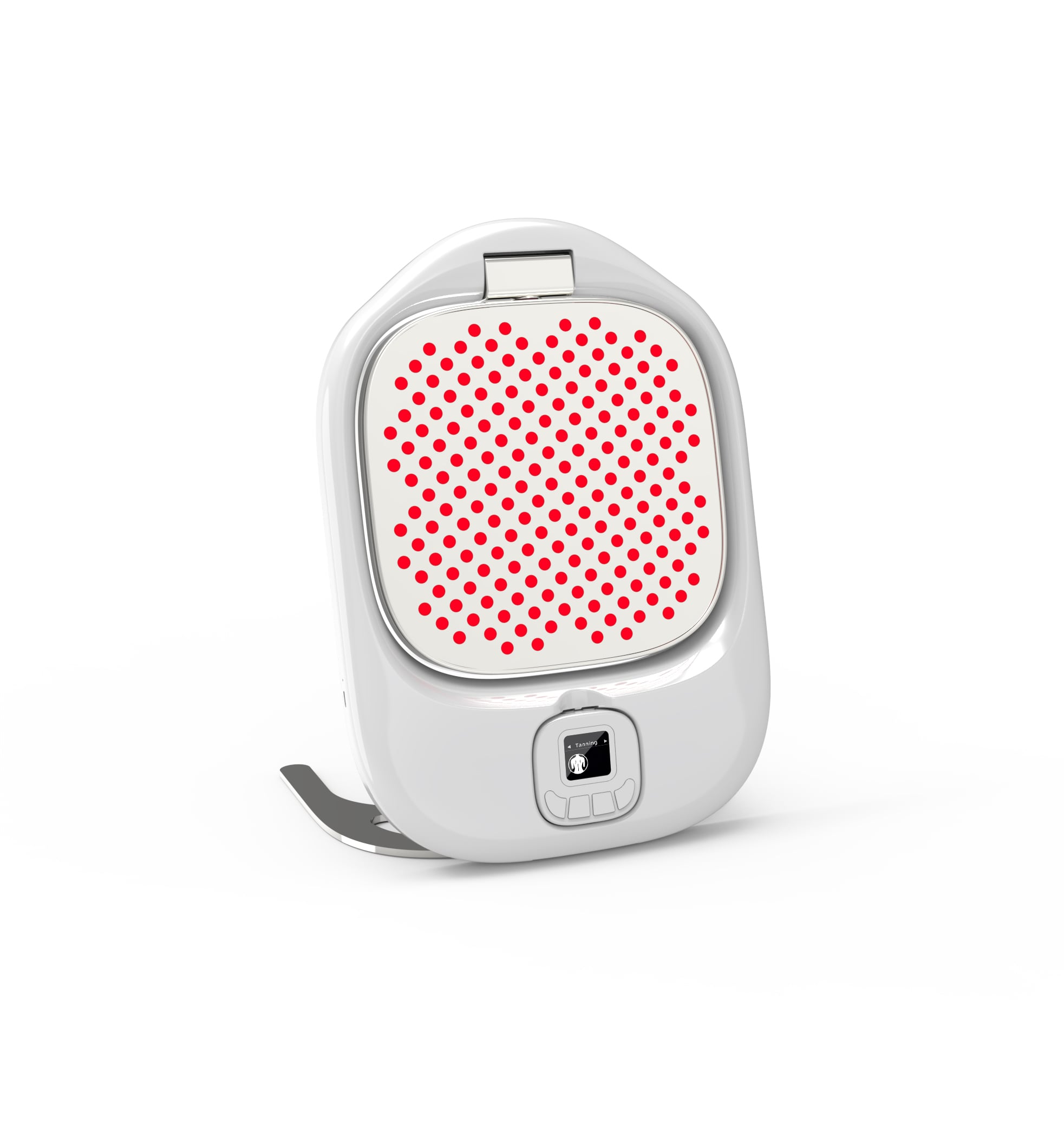
When people search for a face mask, they may mean a topical skincare mask. Here, we mean an LED light therapy face mask: a wearable device that places selected wavelengths close to facial skin. The short answer is that red light is usually the more versatile single-colour option for a broad skin-care routine, while blue light is more targeted for blemish-prone skin. A dual-wavelength face mask is often the most flexible choice when a brand wants to support more than one use case without presenting either colour as a cure.
As a skin-device adviser, I suggest starting with the concern, not the colour trend. Wavelength disclosure, consistent fit, eye protection, session guidance, and realistic claims matter more than a dramatic product promise. LED devices can complement a routine, but they are not a substitute for diagnosis or clinician-directed treatment.
Red and blue LEDs sit in different parts of the visible spectrum, so they are normally discussed for different skin goals. Product specifications and research commonly describe red light around the low-to-mid 600 nm range. It is often selected for a calming, skin-supportive routine and for users focused on the appearance of texture, radiance, or early visible signs of ageing. A red-light face mask can therefore make sense as a general wellness-oriented category for a wide adult audience.
Blue light is commonly discussed around 415 nm. In acne-focused research, blue light has been studied because it interacts with compounds associated with Cutibacterium acnes. A published phototherapy study, for example, evaluated blue light at 415 nm alongside red light at 660 nm. That is useful context for device comparison, but it does not mean every home face mask with a blue setting will produce the same result. Dose, treatment schedule, skin condition, and the device’s actual output all matter.
Neither colour is automatically “stronger.” They answer different questions. Red light generally serves a broader maintenance-oriented story; blue light offers a narrower, concern-led story for visible breakouts and oil-prone routines.
If a buyer must choose one wavelength for a face mask, red light often has the wider everyday fit. It is easier to position around a routine that is not limited to active blemishes: users may be interested in a more even-looking complexion, a calm post-skincare moment, or supportive care as their skin changes over time. That versatility is especially useful for brands that sell to mixed age groups or want one core SKU rather than several narrowly positioned devices.
Still, “versatile” should not become “universal.” A red-light face mask should have clear contraindication guidance and should not promise collagen production, wrinkle removal, or medical treatment outcomes. Sensitive users, people using photosensitising medicines, and people with a diagnosed skin concern should review the instructions and seek professional advice when appropriate.
Blue light becomes more compelling when the main concern is recurring blemishes. In that context, a focused face mask program may be easier for a user to understand: consistent sessions, gentle cleansing, and a routine that does not add unnecessary irritation. Blue light may suit brands developing an acne-oriented line, provided their claims match the device evidence and the markets where they sell.
The limitation is audience breadth. Someone who is not dealing with breakouts may see little reason to buy a blue-only face mask. Blue-light messaging also needs care for users with sensitive or reactive skin. A thoughtful product page should explain who the mode is for, what it is not intended to replace, and when users should pause use.
A face mask with both red and blue modes is normally the more versatile product format. It gives the user a way to choose a routine based on changing priorities instead of locking the purchase into one concern. That does not require exaggerated language. The value is simply choice: red can be the default maintenance mode, while blue can be reserved for periods when blemish concerns are more prominent.
Research examples also explain why the combination is common. An open-label study described a wearable mask using 415 nm blue and 633 nm red light for mild-to-moderate acne. The useful buying lesson is not that a number alone guarantees efficacy. It is that transparent wavelength information makes a device easier to evaluate. If a supplier will not disclose the LEDs or the operating instructions, a multi-colour label alone is not enough.
| Question | Red light | Blue light |
|---|---|---|
| Typical starting use case | Broad maintenance and appearance-focused routines | Blemish-prone, oil-prone routine support |
| Audience breadth | Usually broader | Usually more targeted |
| Typical research example | About 633–660 nm in cited acne-combination studies | About 415 nm in cited acne studies |
| Most versatile purchase | Good single-mode choice | Better as part of a dual-mode device |
Choose a red-light face mask if the goal is the broadest single-mode routine and the user is not shopping primarily for active blemish support. Choose blue light if the product is intentionally centred on blemish-prone skin and its usage guidance is clear. Choose a dual red-and-blue face mask when flexibility is the priority, especially for a brand that wants one device to address several common skincare conversations without overpromising.
For a commercial launch, the most useful question is not “Which colour wins?” It is “Which mode, evidence, comfort features, and compliance documentation fit the intended customer?” That framing produces a more credible face mask category and a better experience for the people who use it.

2026/10/30
Discover why in-house mold development helps an RF beauty device manufacturer improve product consistency, iteration speed, tooling control, and production readiness.

2026/10/30
Learn how to verify an RF beauty device manufacturer's R&D and prototyping capabilities using practical engineering workflows and audit checklists.

2026/10/30
Learn what shapes MOQ when choosing an RF beauty device manufacturer and how to plan a lower-risk first order with balanced platform and customization.

2026/10/30
Use this RF beauty device manufacturer evaluation checklist to compare safety evidence, OEM and ODM capability, quality control, and launch readiness.

2026/10/30
See how technology makes beauty at home more guided, consistent, and informed—plus a practical checklist for choosing devices wisely.

2026/10/30
Explore how AI and smart devices shape the future of beauty with responsive routines, clear guidance, trustworthy design, and user-controlled care.

Ideal for daily facial care routines, providing easy-to-use beauty solutions at home.

Perfect for spas and salons’ frequent treatments, enhancing client experiences and results.

Supports dermatologists with advanced devices for professional skin therapy sessions.

Delivers innovative solutions for full-body massage and relaxation with home devices.

Features anti-aging technologies to help reduce wrinkles and stimulate skin vitality.

Specialized devices for safe and effective hair removal suitable for home or clinic use.

Our customers love the Perfect Idea beauty devices. Quality, packaging, and results are all outstanding. We saw increased repeat sales after adding their facial cleansers to our lineup. Their support team is responsive and reliable.

Perfect Idea brings innovation and reliability to home beauty appliances. Our collaboration introduced their massage tools to Japanese women, boosting customer satisfaction and growing our brand trust across the region.

We partnered with Shenzhen Perfect Idea Tech for their beauty equipment. The shipping was fast and every product matched our expectations. Their home-use massagers are especially popular with local salons and home users.

The stylish packaging and attractive design make Perfect Idea stand out. French consumers appreciate the easy instructions and visible results. Communication was efficient and orders always arrived on time.

Perfect Idea home use personal care devices have become a favorite with our clients. The beauty device line offers quality at a reasonable price, and technical training for our staff made onboarding easy.

We selected Perfect Idea for our beauty product portfolio and have seen very positive feedback from our customers. Products are easy to market online and the customer support is reliable and helpful.
