 EN
Home Skincare
Ideal for daily facial care routines, providing easy-to-use beauty solutions at home.

2026/10/15
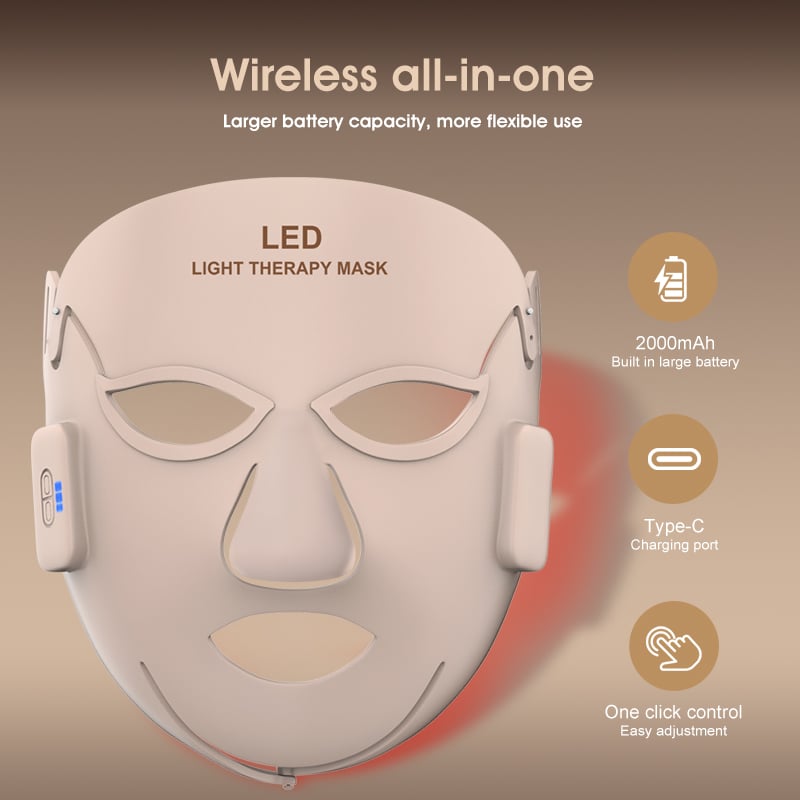
A face care device should earn its place in a routine, not just look impressive on a product page. As a technical adviser who compares home beauty devices, I start with the same question: what is the user trying to do consistently in face care? For some people, an LED mask is a useful targeted face care step. For others, a non-LED cleansing brush, massage tool, or microcurrent-style device is the more practical face care choice. The right face care answer depends on the concern, the routine, safety needs, and whether the device will actually be used.
That distinction matters because face care works as a system. Cleansing, moisturizing, daily sun protection, and appropriately chosen treatments remain the face care foundation. A device can support that routine, but it cannot replace it. Before comparing features, decide whether you want a targeted light-based treatment, a mechanical routine aid, or simply a device that makes a basic face care routine easier to maintain.
Choose an LED face care device when the user specifically wants a light-based at-home adjunct and is willing to follow a set schedule. Red and blue LED modes are commonly marketed for different skin concerns, but the device should come with clear instructions, eye-safety guidance, and a realistic claim set. Consistency matters more than a long list of colors.
Choose a non-LED face care device when the main goal is cleansing support, a brief massage, product application, or a simple, low-friction ritual. These tools often fit more naturally into an existing routine because there is less setup and less need to understand light settings. Neither category is automatically “better.” They solve different problems.
An LED device delivers visible light at selected wavelengths rather than relying on movement, vibration, or contact alone. In an at-home setting, it is sensible to treat it as a focused routine step with measured expectations. The American Academy of Dermatology advises shoppers considering red-light devices to look for FDA-cleared products and to follow the directions supplied with the device. That is a helpful safety checkpoint, not a promise that every user will see the same result.
For a person whose concern aligns with the device’s intended use, LED can be appealing because it is hands-free in mask form and easy to schedule. A systematic review of home dermatology devices reported supportive evidence for home LED use in acne studies, while also showing why a disciplined regimen and sensible claims matter. Face care is not a one-session result: tolerance, routine adherence, and the rest of the regimen all influence the experience.
There is a practical buying lesson here. Do not choose a mask only because it offers several colors. Ask whether the brand explains the purpose of each setting, the session length, contraindications, charging method, fit, and cleaning instructions. A device with fewer modes but clear use directions can be easier to position and use than one with a crowded feature list.
Non-LED face care devices cover a broad range: cleansing tools, cooling or warming tools, facial massage devices, and devices that use gentle motion or electrical stimulation. Their value is often immediate and routine-based. A cleansing tool may support a more deliberate wash step; a massage-focused tool may make a short evening ritual feel more relaxing; a compact device may be easier to pack and use regularly.
The limitation is equally important. A non-LED tool should not be presented as a cure for acne, a substitute for sunscreen, or a replacement for professional diagnosis. Its strongest role is usually usability: helping a user maintain a gentle, repeatable face care habit. If the target customer needs a simple entry point or has little time, that can be more valuable than a technically ambitious device that stays in a drawer.
| Decision factor | LED face care device | Non-LED face care device |
|---|---|---|
| Starting question | Is there a specific light-based routine goal? | Would cleansing, massage, or easier product application improve the routine? |
| Daily effort | Usually needs scheduled sessions and instructions. | Often fits into an existing cleansing or skincare step. |
| Buying priorities | Clear intended use, directions, eye protection guidance, comfort, and applicable regulatory documentation. | Gentle contact, hygiene, charging or battery life, grip, and simple controls. |
| Expectation setting | Results can be gradual and individual; avoid treatment claims beyond the documented intended use. | Benefits are usually about routine experience and convenience, not a dramatic transformation. |
| Good fit for | Users who will follow a targeted, consistent plan. | Users who value a fast, approachable ritual. |
LED can be a sensible choice for a user who understands that it is an adjunct, can keep to the recommended schedule, and wants a light-based device with transparent instructions. A sensible approach is to start conservatively, monitor comfort, and keep the rest of face care gentle and consistent. More intensity or more colors do not automatically mean a better experience.
For a first device, a traveler, or someone who prefers a short routine, non-LED may be the stronger fit. The device should feel intuitive from the first use. Think less about feature count and more about the one action the tool makes easier—cleansing, a calming massage, or a more enjoyable application step.
There is no need to force a single winner. A user may use an LED mask on designated evenings and a gentle non-LED tool during normal cleansing. The important part is not to stack steps until skin becomes irritated or the routine becomes impossible to sustain.
For a brand team, the comparison is also a product-positioning decision. LED devices need clear claim governance, instructions, comfort testing, and documentation appropriate to the intended market. Non-LED devices need a sharp use case, hygiene-conscious design, and a tactile experience that justifies their place in a crowded category. In either case, prototype reviews should test the real moments that determine repeat use: unboxing, charging, cleaning, control clarity, and how the device feels after several minutes.
A useful rule is to lead with the face care routine outcome, not a technology label. “A simple evening cleansing ritual” and “a scheduled light-based face care step” are understandable positions. They help customers select responsibly and keep marketing language from outrunning the product’s documented purpose.
Pick an LED face care device if a targeted light routine, clear instructions, and steady use match the user’s goal. Pick a non-LED device if the priority is an easy, supportive ritual that improves an existing routine. In both cases, a gentle baseline routine and sensible expectations matter more than a dramatic feature list. The device worth choosing is the one with a clear role, comfortable design, and claims that remain within what it can responsibly support.

2026/10/30
Discover why in-house mold development helps an RF beauty device manufacturer improve product consistency, iteration speed, tooling control, and production readiness.

2026/10/30
Learn how to verify an RF beauty device manufacturer's R&D and prototyping capabilities using practical engineering workflows and audit checklists.

2026/10/30
Learn what shapes MOQ when choosing an RF beauty device manufacturer and how to plan a lower-risk first order with balanced platform and customization.

2026/10/30
Use this RF beauty device manufacturer evaluation checklist to compare safety evidence, OEM and ODM capability, quality control, and launch readiness.

2026/10/30
See how technology makes beauty at home more guided, consistent, and informed—plus a practical checklist for choosing devices wisely.

2026/10/30
Explore how AI and smart devices shape the future of beauty with responsive routines, clear guidance, trustworthy design, and user-controlled care.

Ideal for daily facial care routines, providing easy-to-use beauty solutions at home.

Perfect for spas and salons’ frequent treatments, enhancing client experiences and results.

Supports dermatologists with advanced devices for professional skin therapy sessions.

Delivers innovative solutions for full-body massage and relaxation with home devices.

Features anti-aging technologies to help reduce wrinkles and stimulate skin vitality.

Specialized devices for safe and effective hair removal suitable for home or clinic use.

Our customers love the Perfect Idea beauty devices. Quality, packaging, and results are all outstanding. We saw increased repeat sales after adding their facial cleansers to our lineup. Their support team is responsive and reliable.

Perfect Idea brings innovation and reliability to home beauty appliances. Our collaboration introduced their massage tools to Japanese women, boosting customer satisfaction and growing our brand trust across the region.

We partnered with Shenzhen Perfect Idea Tech for their beauty equipment. The shipping was fast and every product matched our expectations. Their home-use massagers are especially popular with local salons and home users.

The stylish packaging and attractive design make Perfect Idea stand out. French consumers appreciate the easy instructions and visible results. Communication was efficient and orders always arrived on time.

Perfect Idea home use personal care devices have become a favorite with our clients. The beauty device line offers quality at a reasonable price, and technical training for our staff made onboarding easy.

We selected Perfect Idea for our beauty product portfolio and have seen very positive feedback from our customers. Products are easy to market online and the customer support is reliable and helpful.
