 EN
Home Skincare
Ideal for daily facial care routines, providing easy-to-use beauty solutions at home.

2026/10/17
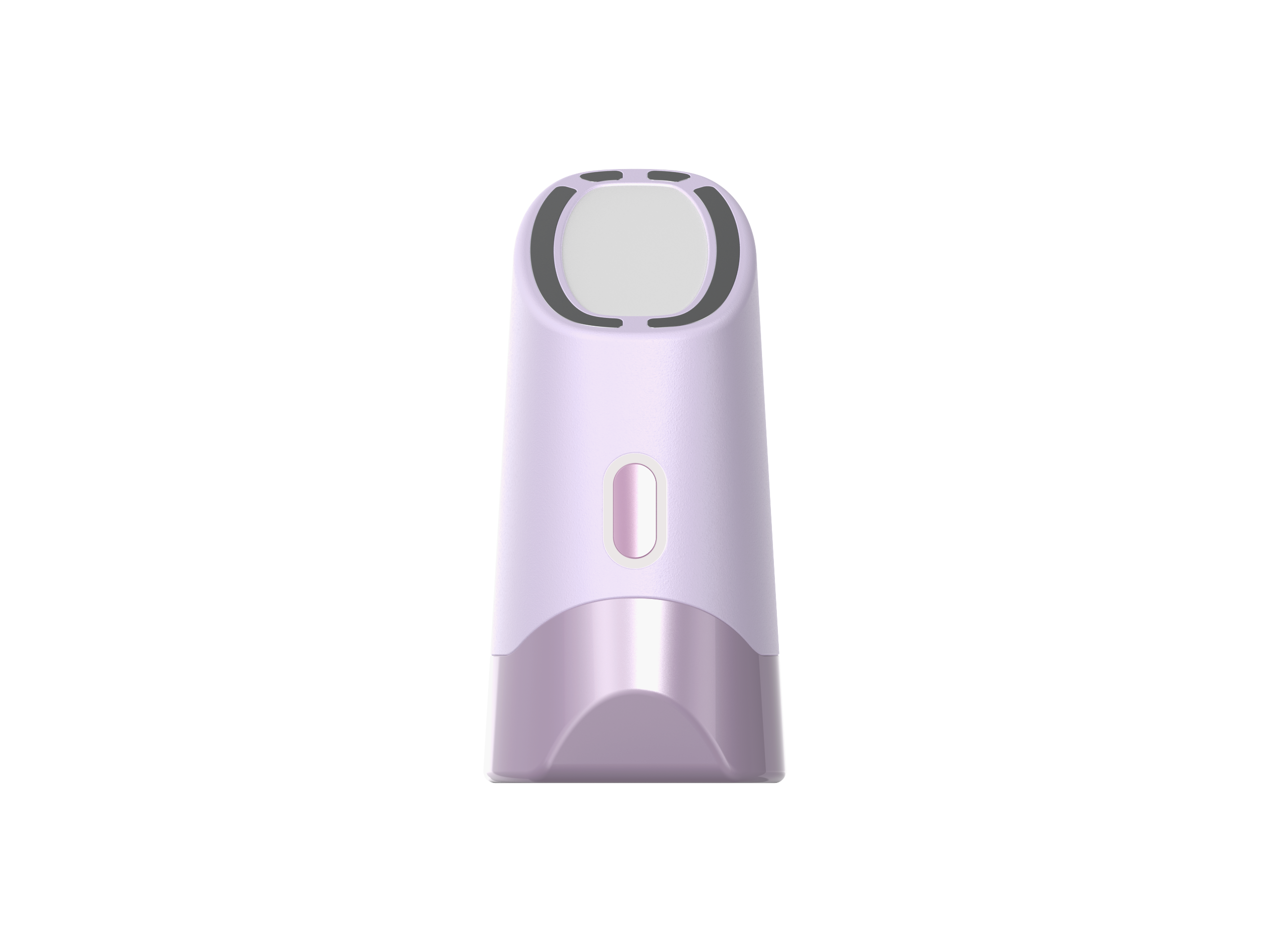
When people compare beauty products with at-home devices, they often expect one clear winner. In practice, the better option depends on the concern you want to address, how consistently you will use it, and how much risk or complexity you are prepared to manage. As a technical adviser who compares home beauty-device categories, I start with a less exciting but more useful question: what can each tool reasonably contribute to a steady routine?
For many people, the strongest anti-aging plan is not products or devices. It is daily photoprotection, a well-tolerated skincare routine, and—where appropriate—a carefully chosen device that fits the routine rather than replacing it. That distinction matters because no consumer option can promise to erase aging or deliver a clinical procedure at home.
Beauty products are usually a practical first investment for prevention, hydration, uneven tone, and mild fine lines. A broad-spectrum sunscreen helps limit further UV-related damage, while ingredients such as retinoids can be useful for some people with mild fine lines or texture concerns. The American Academy of Dermatology notes that retinoids may support surface-cell turnover and collagen and recommends using them at night with daytime sun protection. Results vary, and sensitive skin may need a slower introduction or professional advice.
At-home devices make more sense when a person already has a stable routine and wants a targeted adjunct—for example, temporary radiance, a relaxing massage ritual, or a consistent light-based routine. They are not automatically more useful than skincare. A device only earns its place when its technology, instructions, safety profile, and likely user adherence all line up.
A simple product routine is relatively flexible. It can be adjusted by skin type, season, and tolerance, and it normally asks for less upfront spending than a device. The core categories are familiar: sunscreen for prevention, moisturizer for barrier support, and one treatment product selected for a defined concern.
The limitation is equally important: skincare depends on formula, concentration, application, and consistency. A crowded shelf is not a strategy. If products sting, peel, or leave the skin persistently irritated, adding more actives is unlikely to create better anti-aging results.
Home devices are a category, not a single treatment. LED light masks, microcurrent tools, cleansing devices, and warming or massage tools use different approaches, so they should not be judged as interchangeable. A well-designed device can make a ritual more consistent and offer a focused experience that beauty products alone do not provide. However, the expected effect should be tied to the technology and the manufacturer’s directions—not to dramatic before-and-after claims.
For a buyer or brand evaluating a home-use device, practical details matter: clear operating instructions, eye protection where relevant, contraindication guidance, reasonable session timing, and an interface that makes correct use easy. A device that sits unused in a drawer cannot outperform an uncomplicated skincare routine used every day.
There is also a safety boundary worth stating plainly. Non-invasive at-home tools should not be confused with professional or invasive procedures. The FDA has issued safety communications about serious complications reported with certain uses of RF microneedling devices. That is not a claim about every home device; it is a reminder to distinguish technologies, follow instructions, and seek qualified advice for medical, persistent, or high-risk concerns.
| Decision factor | Beauty products | At-home devices |
|---|---|---|
| Typical starting point | Most routines, especially prevention and barrier support | A targeted add-on after a stable routine is in place |
| Consistency needed | Usually daily or near-daily | Depends on the device protocol |
| Upfront cost | Often lower and easier to phase in | Often higher, with value linked to long-term use |
| Personalization | Formula and frequency can be adjusted | Settings and fit must suit the user and instructions |
| Key watch-out | Overusing strong actives or ignoring irritation | Overstating results or using unsuitable technology incorrectly |
If you want to combine beauty products and a device, keep the plan simple enough to follow. Begin with sunscreen in the morning, a gentle cleanser and moisturizer, and only one treatment product if your skin tolerates it. Add a device on the schedule supplied by its manufacturer, ideally on nights when you are not experimenting with several potentially irritating actives. What matters more than novelty is whether you can maintain the routine for months without discomfort.
Ask yourself three questions before buying: Is my main concern prevention, dehydration, tone, or fine lines? Can I follow the device instructions consistently? Do I have a skin condition, medication, recent procedure, or sensitivity that calls for a dermatologist’s guidance? These questions are more useful than choosing based on a single dramatic testimonial.
For most people, beauty products deliver the better first return because sunscreen, moisturizer, and an appropriate treatment product form the base of a manageable routine. A home device can be a worthwhile complement when it has a clear purpose, realistic claims, and a design you will use correctly. Rather than treating the choice as a contest, build the foundation first and add technology only when it solves a specific routine gap.
For brands planning home beauty-device ranges, this same principle supports clearer communication: explain the intended use, avoid clinical promises, and help customers understand how a device fits alongside—not above—responsible skincare.
A concise product-selection checklist: Beauty products should match a defined concern and suit the user’s tolerance. Add one new item at a time when irritation is possible, and keep daily sunscreen straightforward. Read directions, set a realistic budget, and review the routine after a consistent trial. Do not rely on a viral testimonial or use any consumer option as a substitute for professional care when a concern is medical or persistent. When a device is added, keep the rest of the routine simple, avoid layering several strong actives carelessly, and maintain realistic expectations. The aim is a calm, repeatable plan that respects safety and changing skin needs.
When comparing beauty products with a device, keep the buying decision concrete. Beauty products may be the practical answer for one concern, while beauty products plus an appropriate tool may suit another routine. Beauty products still need consistency. Beauty products need clear usage guidance. Beauty products should fit the user’s tolerance. Beauty products should be assessed over time instead of after one use. Beauty products are part of skin care, not a guarantee of a particular outcome. Beauty products can be simplified when a device is introduced. Beauty products are worth revisiting when skin needs change. Beauty products should remain within a routine a person can actually follow. Beauty products should be chosen with safety in mind. Beauty products should not encourage overuse of strong actives. Beauty products can help form a reliable foundation before additional technology is considered. Beauty products and home devices should be evaluated as complementary options. Beauty products deserve the same thoughtful selection process as any at-home tool.

2026/10/30
Discover why in-house mold development helps an RF beauty device manufacturer improve product consistency, iteration speed, tooling control, and production readiness.

2026/10/30
Learn how to verify an RF beauty device manufacturer's R&D and prototyping capabilities using practical engineering workflows and audit checklists.

2026/10/30
Learn what shapes MOQ when choosing an RF beauty device manufacturer and how to plan a lower-risk first order with balanced platform and customization.

2026/10/30
Use this RF beauty device manufacturer evaluation checklist to compare safety evidence, OEM and ODM capability, quality control, and launch readiness.

2026/10/30
See how technology makes beauty at home more guided, consistent, and informed—plus a practical checklist for choosing devices wisely.

2026/10/30
Explore how AI and smart devices shape the future of beauty with responsive routines, clear guidance, trustworthy design, and user-controlled care.

Ideal for daily facial care routines, providing easy-to-use beauty solutions at home.

Perfect for spas and salons’ frequent treatments, enhancing client experiences and results.

Supports dermatologists with advanced devices for professional skin therapy sessions.

Delivers innovative solutions for full-body massage and relaxation with home devices.

Features anti-aging technologies to help reduce wrinkles and stimulate skin vitality.

Specialized devices for safe and effective hair removal suitable for home or clinic use.

Our customers love the Perfect Idea beauty devices. Quality, packaging, and results are all outstanding. We saw increased repeat sales after adding their facial cleansers to our lineup. Their support team is responsive and reliable.

Perfect Idea brings innovation and reliability to home beauty appliances. Our collaboration introduced their massage tools to Japanese women, boosting customer satisfaction and growing our brand trust across the region.

We partnered with Shenzhen Perfect Idea Tech for their beauty equipment. The shipping was fast and every product matched our expectations. Their home-use massagers are especially popular with local salons and home users.

The stylish packaging and attractive design make Perfect Idea stand out. French consumers appreciate the easy instructions and visible results. Communication was efficient and orders always arrived on time.

Perfect Idea home use personal care devices have become a favorite with our clients. The beauty device line offers quality at a reasonable price, and technical training for our staff made onboarding easy.

We selected Perfect Idea for our beauty product portfolio and have seen very positive feedback from our customers. Products are easy to market online and the customer support is reliable and helpful.
