 EN
Home Skincare
Ideal for daily facial care routines, providing easy-to-use beauty solutions at home.

2026/10/21
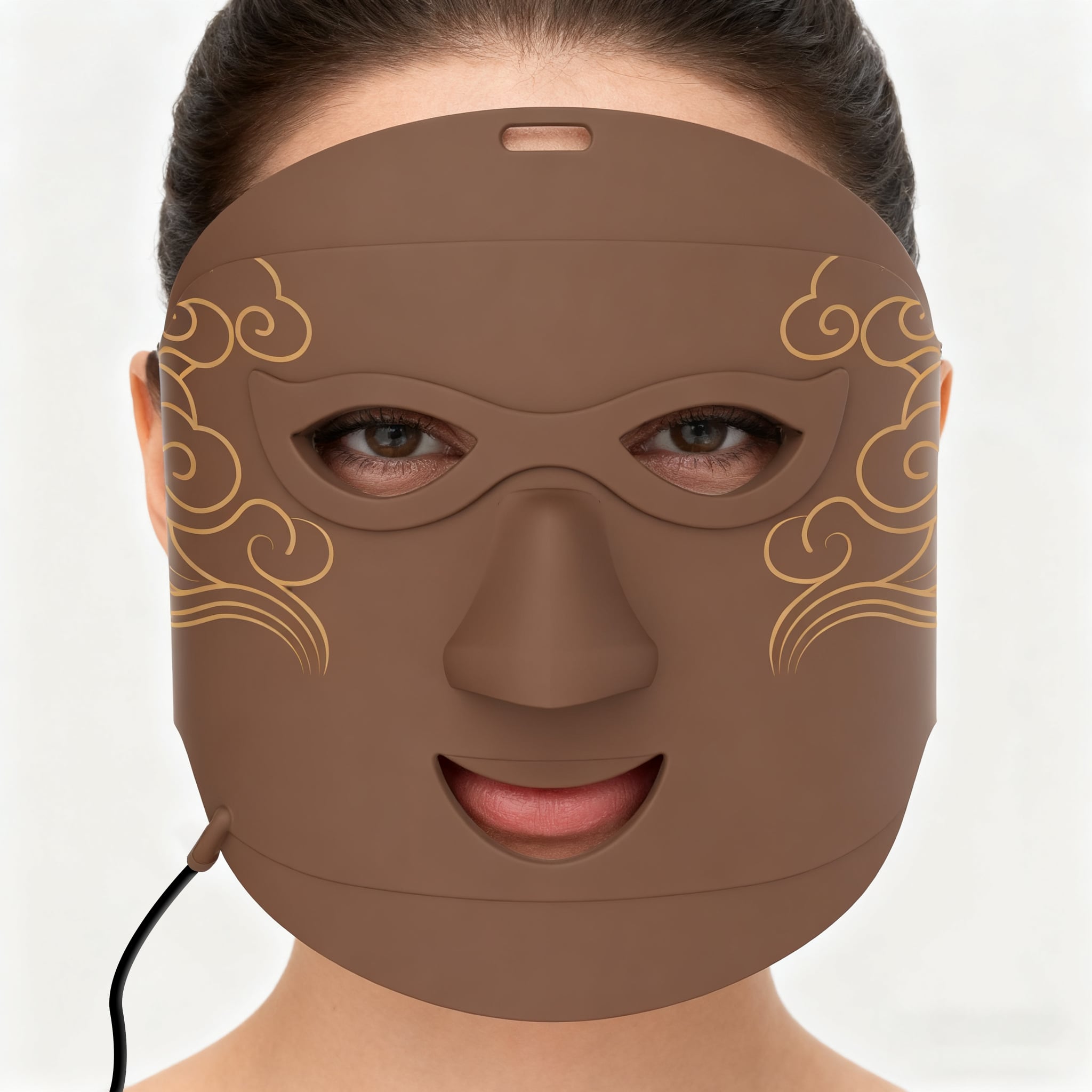
For a beauty brand, a silicone mask is not simply a soft shell wrapped around LEDs. It is a skin-contact component, a fit system, a visual brand surface, and part of an electrical consumer product. That combination changes the sourcing brief. A good OEM decision starts by defining the intended product clearly: this guide concerns a flexible silicone mask used in a home beauty device, not a costume mask or a reusable cover for a sheet mask.
From an OEM/ODM brand-development perspective, the goal is not to chase a headline specification. The goal is to obtain a silicone mask that fits the intended user, can be manufactured consistently, has defensible documentation for its target market, and supports the brand’s launch plan. The framework below gives purchasing, product, quality, and regulatory teams a shared set of questions before supplier approval.
Start with the user and the commercial position, then translate those choices into a factory-ready brief. State whether the silicone mask is an entry-level light-therapy product, a premium comfort-led device, or part of a broader skincare routine. Define target regions, retail channels, target price, branding needs, accessory expectations, packaging language, and the claims the marketing team intends to make. A supplier cannot responsibly quote compliance work or tooling changes when these items are still vague.
For the product itself, specify facial coverage, eye-area approach, fastening concept, controller arrangement, charging method, color, logo placement, packaging configuration, and the expected use-and-care instructions. Also say which parts will touch skin. A silicone mask can feel different in real use because of edge thickness, strap tension, nose clearance, cable routing, and weight distribution—not just because of the silicone grade shown on a data sheet.
In practice, distinguish non-negotiables from preferences. For example, stable positioning around the eyes may be a non-negotiable; a particular surface finish may be a preference. This prevents the sample review from becoming a list of unrelated cosmetic edits.
Ask the factory to identify the material specification, colorant system, molding process, and any additives used for the skin-contact portion of the silicone mask. Do not treat a generic statement such as “skin friendly” as a substitute for traceable material information. Your quality team should request the applicable material declaration, supplier identity, batch traceability approach, and cleaning guidance. If your market or risk assessment calls for additional testing, define the test plan and who owns it before purchase-order release.
Then inspect construction rather than only the loose material. Look at the bond or interface between the flexible shell and the optical/electronic assembly, seam quality, sharp-edge risk, odor, deformation after cleaning, and whether repeated fastening creates local stress. A prototype that looks polished on a display stand may still have a poor nose bridge, light leakage near the eyes, or a strap that causes the silicone mask to migrate during normal movement.
Use a small but deliberate fit review. Include varied face shapes and record where the silicone mask presses, lifts, blocks vision, or becomes difficult to clean. This is not a clinical efficacy study; it is practical product-development evidence that can inform tool adjustment and instructions.
For an LED beauty device, material comfort does not prove optical or electrical safety. Ask for a documentation map that separates the finished silicone mask, the LED module, power/charging components, labeling, and the completed consumer product. The map should identify which reports already apply to the proposed configuration and which work must be repeated after a change to LEDs, controller, battery, housing, or intended market.
IEC 62471 is one useful discussion point for LED products: it describes exposure limits, measurement techniques, and a classification scheme for photobiological hazards from non-laser optical sources, including LEDs. It should be handled as part of a suitable evaluation plan, not as a marketing shortcut or a blanket promise that every configuration is safe. Similarly, a European launch requires a market-specific review. Regulation (EU) 2023/988, the General Product Safety Regulation, has applied to consumer products since 13 December 2024; importer, brand, and supplier should align on traceability, product information, technical documentation, and incident processes.
Confirm responsibilities in writing. The OEM may supply reports and manufacturing records, while the brand or importer may retain obligations connected to placing the finished silicone mask on a given market. Certification needs differ by product configuration, claims, sales route, and destination. Avoid promising CE, FCC, RoHS, or other outcomes until the responsible compliance team has reviewed the exact product and documentation scope.
An attractive sample can still create sourcing problems once production begins. To protect the production version of a silicone mask, create a signed golden-sample package. It should include approved color, logo artwork, dimensions or tolerances where relevant, fit observations, assembly photos, packaging proofs, bill-of-material version, inspection criteria, and the exact report/document revision reviewed.
At this stage, ask how the factory controls incoming materials, molded-part inspection, functional testing, appearance checks, and final packing. The most useful answer is a process with named checkpoints and records, not a broad assurance that “quality is checked.” Clarify how a material substitution, color change, LED change, or mold repair is communicated and approved. A silicone mask project can drift when a small component change affects fit, color, cleaning behavior, or documentation without a formal change-control step.
OEM support can include logo application, packaging replacement, and localized instructions. These services are valuable only when artwork ownership, approval gates, translations, barcode needs, and lead-time assumptions are documented. If you are developing a differentiated silicone mask, also address tooling ownership, design files, confidentiality, spare-part availability, warranty handling, and the treatment of customer feedback after launch.
Do not assume that a faster launch and a more mature product are the same objective. A proven platform with brand customization may reduce development work, whereas a new fit, controller, or appearance concept may need more validation. The right route depends on your market position and risk tolerance.
| Area | What to verify | Decision evidence |
|---|---|---|
| Product brief | Target user, market, claims, and configuration | Approved specification and responsibility matrix |
| Skin-contact design | Material traceability, fit, cleanability, edges, and straps | Material documents, sample review, fit observations |
| Safety file | Optical, electrical, labeling, and market requirements | Configuration-specific documentation map |
| Production control | Incoming, in-process, final inspection, and change control | QC plan, golden sample, inspection records |
| OEM delivery | Artwork, packaging, manuals, ownership, and after-sales process | Signed artwork and commercial agreement |
The strongest silicone mask sourcing decision is evidence-led. Compare suppliers on their ability to clarify the product brief, show how the skin-contact assembly is controlled, map documentation to the actual configuration, and keep the approved sample aligned with production. For brands selling across Europe, North America, Asia, or other regions, that disciplined approach is more useful than choosing a factory on price or a single claimed certificate alone. Treat the silicone mask as a complete consumer-product project, and build the supplier relationship around traceability, change control, and realistic launch responsibilities.

2026/10/30
Discover why in-house mold development helps an RF beauty device manufacturer improve product consistency, iteration speed, tooling control, and production readiness.

2026/10/30
Learn how to verify an RF beauty device manufacturer's R&D and prototyping capabilities using practical engineering workflows and audit checklists.

2026/10/30
Learn what shapes MOQ when choosing an RF beauty device manufacturer and how to plan a lower-risk first order with balanced platform and customization.

2026/10/30
Use this RF beauty device manufacturer evaluation checklist to compare safety evidence, OEM and ODM capability, quality control, and launch readiness.

2026/10/30
See how technology makes beauty at home more guided, consistent, and informed—plus a practical checklist for choosing devices wisely.

2026/10/30
Explore how AI and smart devices shape the future of beauty with responsive routines, clear guidance, trustworthy design, and user-controlled care.

Ideal for daily facial care routines, providing easy-to-use beauty solutions at home.

Perfect for spas and salons’ frequent treatments, enhancing client experiences and results.

Supports dermatologists with advanced devices for professional skin therapy sessions.

Delivers innovative solutions for full-body massage and relaxation with home devices.

Features anti-aging technologies to help reduce wrinkles and stimulate skin vitality.

Specialized devices for safe and effective hair removal suitable for home or clinic use.

Our customers love the Perfect Idea beauty devices. Quality, packaging, and results are all outstanding. We saw increased repeat sales after adding their facial cleansers to our lineup. Their support team is responsive and reliable.

Perfect Idea brings innovation and reliability to home beauty appliances. Our collaboration introduced their massage tools to Japanese women, boosting customer satisfaction and growing our brand trust across the region.

We partnered with Shenzhen Perfect Idea Tech for their beauty equipment. The shipping was fast and every product matched our expectations. Their home-use massagers are especially popular with local salons and home users.

The stylish packaging and attractive design make Perfect Idea stand out. French consumers appreciate the easy instructions and visible results. Communication was efficient and orders always arrived on time.

Perfect Idea home use personal care devices have become a favorite with our clients. The beauty device line offers quality at a reasonable price, and technical training for our staff made onboarding easy.

We selected Perfect Idea for our beauty product portfolio and have seen very positive feedback from our customers. Products are easy to market online and the customer support is reliable and helpful.
