 EN
Home Skincare
Ideal for daily facial care routines, providing easy-to-use beauty solutions at home.

2026/10/13
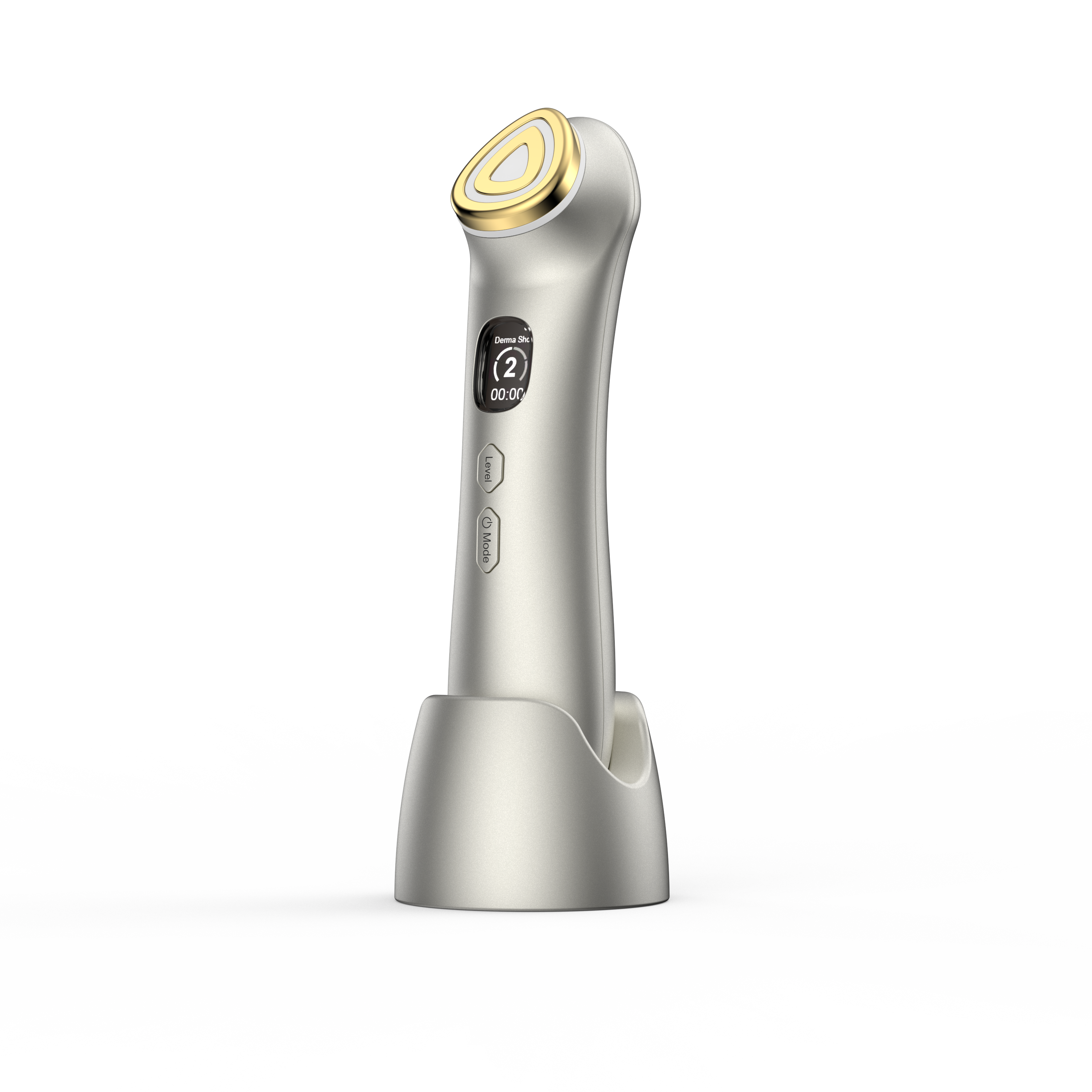
For a skincare brand, an LED face device is not simply a trend-led accessory. It is a product system: light output, fit, controls, claims, packaging, instructions, quality records, and the customer experience all have to support the same promise. From an OEM/ODM brand-development perspective, the safest first move is to define the intended user result and market claim before comparing masks, panels, or handheld formats.
That order matters. A visually impressive LED face sample can still be a poor launch candidate if its documentation cannot support the target market, if the treatment protocol is unclear, or if a comfortable fit cannot be reproduced at scale. This guide gives skincare brands a practical way to evaluate an LED face concept without treating one headline specification as the entire decision.
Write a one-page brief that answers four questions: Who is the end user? What skin-care concern will the device address in marketing? Where will it be sold? What claims will the brand make? These decisions determine whether the project needs a simple cosmetic-positioned home device, a more evidence-heavy route, or different market documentation.
Keep claims proportionate to the evidence and to the intended use. For example, a brand should not assume that a supplier's mention of a regulatory pathway automatically transfers to every configuration, country, or marketing statement. Ask for the exact device model, intended-use wording, test scope, and dates behind every document. This protects the LED face launch from an avoidable mismatch between packaging language and the technical file.
| Format | Where it can fit | What the brand should test |
|---|---|---|
| Flexible or rigid mask | Hands-free home rituals and full-face positioning | Face coverage, strap stability, nose pressure, eye comfort, cleaning, and storage |
| Handheld device | Targeted routines and portable use | Contact consistency, treatment-area guidance, heat feel, and session timing |
| Panel-style device | Broader at-home routines or professional-adjacent concepts | Distance guidance, stand stability, room use, and exposure-area instructions |
A mask is often the most intuitive LED face format, but “hands-free” does not remove the need for testing. Run fit checks across representative face shapes, record where light leaks or pressure develops, and test whether users can understand the controls without a live demonstration. A routine that feels inconvenient will undermine repeat use even when the concept is technically sound.
Wavelength, irradiance, treatment time, distance, and coverage belong together. Avoid selecting an LED face device because one number looks larger than a competitor's. Ask how output was measured, at what distance, over which area, and in which mode. Then compare that information with the proposed protocol in the user instructions.
For the LED face category, the product brief should convert these technical items into user-facing decisions. If the routine asks for a ten-minute session, the controls, battery expectation, comfort, and instruction card should all make that session easy to complete correctly.
Do not leave safety documentation until artwork approval. Include it in supplier comparison from the first request for quotation. A brand may need evidence appropriate to its destination markets, electrical design, charging method, materials, labeling, and claims. Photobiological safety is particularly relevant when light-emitting products are used near the eyes and skin; ask what finished configuration, modes, and conditions the report covers.
A useful document request list includes applicable test reports, declarations, bill-of-material controls, battery and charger information, label files, user instructions, and the supplier's process for engineering changes. If a supplier cites a clearance or registration, verify the device identity and intended-use wording rather than repeating a broad “approved” claim. Build a review step with qualified regulatory advisers for markets and claims that require it.
Sample quality is only one signal. A skincare brand also needs to know whether the supplier can maintain the agreed LED face configuration after purchase orders begin. During evaluation, ask how LEDs, drivers, batteries, straps, shells, and packaging are controlled; how output checks are documented; and what happens when a component is substituted.
For brands developing adjacent home-beauty lines, a supplier that covers LED masks alongside other personal-care device categories can simplify coordination. Still, each program should have its own approved specification, artwork, inspection criteria, and claims review. One-stop sourcing is a convenience, not proof that every product is ready for launch.
Score each shortlisted LED face concept against the same weighted criteria: claim fit, user comfort, output documentation, safety evidence, market readiness, design differentiation, minimum order flexibility, quality-control process, and total landed-cost assumptions. Assign an owner to each score and record the missing evidence. A prototype should not “win” because it is the only sample currently available.
The recurring mistakes are easy to spot: comparing only wavelength labels, treating a prototype report as coverage for every version, using ambiguous regulatory language, and delaying usability testing until the production sample. Another is forgetting that packaging and instructions are part of the product. Clear limits, cleaning steps, charge guidance, and a realistic routine help customers use an LED face device more consistently and help support teams answer predictable questions.
A strong LED face launch combines a clear routine, an evidence-aware claim strategy, repeatable light-output controls, thoughtful ergonomics, and documentation that matches the finished product. Begin with the commercial promise, translate it into measurable requirements, and require proof at every sourcing gate. That is more durable than choosing a device on a single headline specification—and it gives the brand a more credible foundation for long-term category growth.

2026/10/30
Discover why in-house mold development helps an RF beauty device manufacturer improve product consistency, iteration speed, tooling control, and production readiness.

2026/10/30
Learn how to verify an RF beauty device manufacturer's R&D and prototyping capabilities using practical engineering workflows and audit checklists.

2026/10/30
Learn what shapes MOQ when choosing an RF beauty device manufacturer and how to plan a lower-risk first order with balanced platform and customization.

2026/10/30
Use this RF beauty device manufacturer evaluation checklist to compare safety evidence, OEM and ODM capability, quality control, and launch readiness.

2026/10/30
See how technology makes beauty at home more guided, consistent, and informed—plus a practical checklist for choosing devices wisely.

2026/10/30
Explore how AI and smart devices shape the future of beauty with responsive routines, clear guidance, trustworthy design, and user-controlled care.

Ideal for daily facial care routines, providing easy-to-use beauty solutions at home.

Perfect for spas and salons’ frequent treatments, enhancing client experiences and results.

Supports dermatologists with advanced devices for professional skin therapy sessions.

Delivers innovative solutions for full-body massage and relaxation with home devices.

Features anti-aging technologies to help reduce wrinkles and stimulate skin vitality.

Specialized devices for safe and effective hair removal suitable for home or clinic use.

Our customers love the Perfect Idea beauty devices. Quality, packaging, and results are all outstanding. We saw increased repeat sales after adding their facial cleansers to our lineup. Their support team is responsive and reliable.

Perfect Idea brings innovation and reliability to home beauty appliances. Our collaboration introduced their massage tools to Japanese women, boosting customer satisfaction and growing our brand trust across the region.

We partnered with Shenzhen Perfect Idea Tech for their beauty equipment. The shipping was fast and every product matched our expectations. Their home-use massagers are especially popular with local salons and home users.

The stylish packaging and attractive design make Perfect Idea stand out. French consumers appreciate the easy instructions and visible results. Communication was efficient and orders always arrived on time.

Perfect Idea home use personal care devices have become a favorite with our clients. The beauty device line offers quality at a reasonable price, and technical training for our staff made onboarding easy.

We selected Perfect Idea for our beauty product portfolio and have seen very positive feedback from our customers. Products are easy to market online and the customer support is reliable and helpful.
